The Yard Of Viridity

Table of Contents
    Add a header to begin generating the table of contents
    Scroll to Top

    WHAT WILL HAPPEN WHEN WE OPEN OUR EYES AND SEE A GREEN YARD? WHAT WILL BE OUR FEEL? IT FEELS LIKE A HAVEN..? Of COURSE IT WILL BE. MOST OF MY DAYS START WITH A green FEELING BECAUSE I HAVE an INDOOR GARDEN. LET’S TALK ABOUT SOME PLANTS WHICH ALREADY HAVE MY INDOOR AND rooftop OF MY LIVING ROOM, THEY ARE MY FAMILY MEMBERS TOO, THAT IS WHY I HAVE BECOME MORE RESPONSIBLE FOR THEM.

    The Silent Conversations in Green

    Plants may not speak, but every leaf tells a story. In the calm corners of your home garden, those subtle changes in color, texture, and shape are like whispered messages from nature. Whether it’s a drooping leaf or a sudden golden hue, your indoor plants constantly communicate their needs — if only you know how to read them. Understanding this “secret language” helps you nurture healthier, more vibrant greenery while deepening your connection to the life around you. This article from The Yard of Viridity decodes the visual signals that reveal what your plants are truly trying to say.

    Indoor Oasis! Transform your living spaces into lush, vibrant havens with our Indoor Plant Paradise. Dive into the world of greenery and breathe life into your home or office. Our handpicked selection of indoor plants promises stunning aesthetics and the joys of nurturing and watching your indoor garden thrive. Whether you’re a seasoned plant parent or a newbie, our diverse range offers options for every skill level and space. Elevate your surroundings and experience the calming influence of nature indoors. Discover your perfect indoor companion today!

    Leaf Color The Mood Indicator

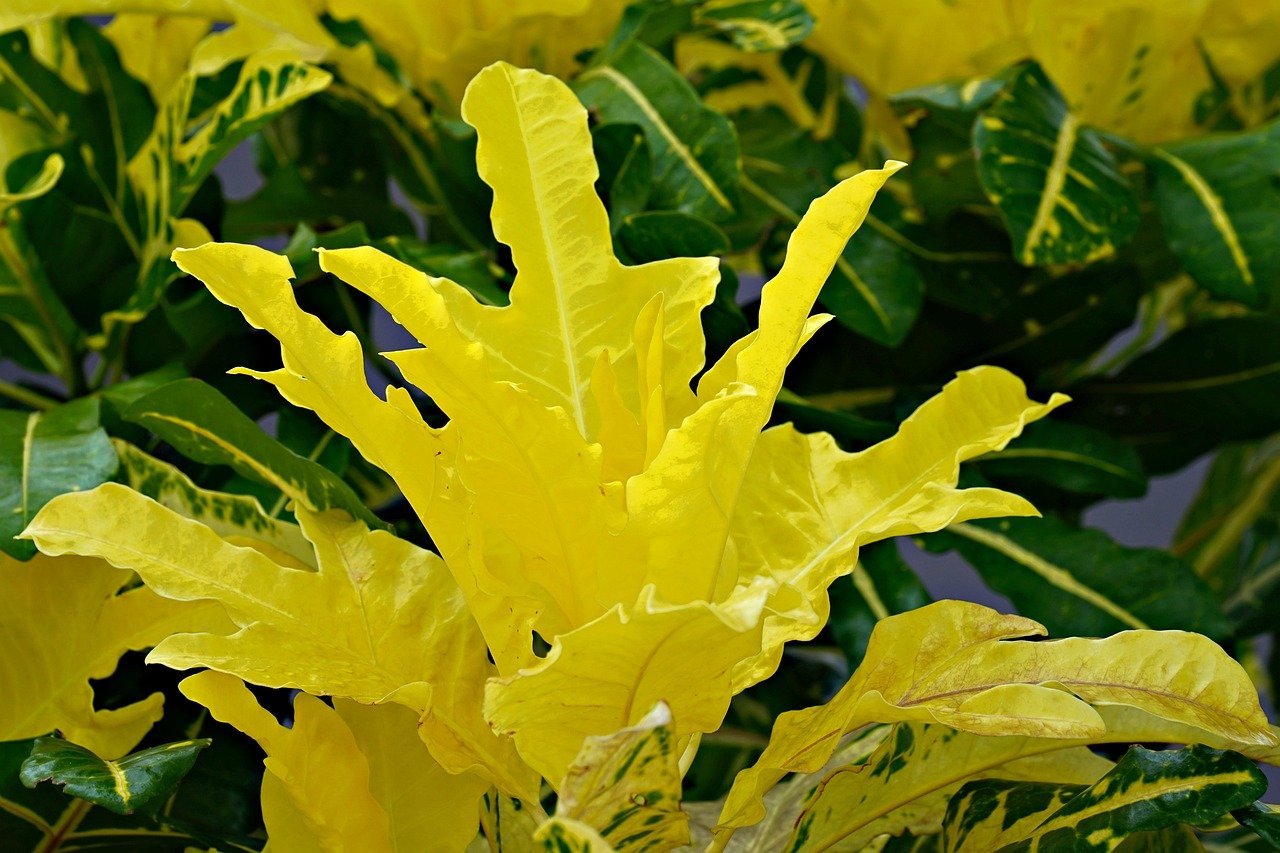
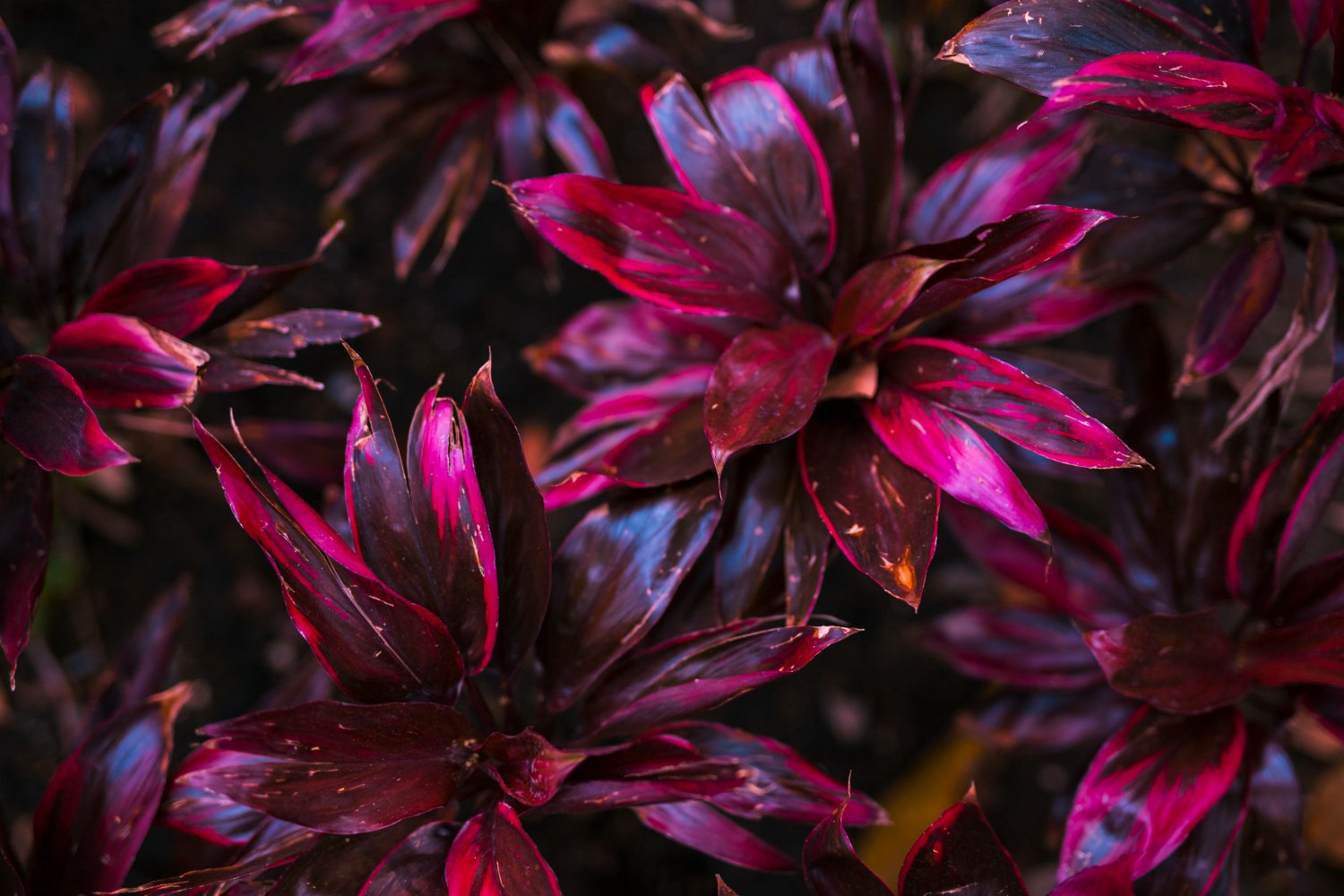
    Color changes are your plants’ emotional expressions. Yellow leaves often signal overwatering, poor drainage, or lack of sunlight. Brown edges or tips can mean underwatering or too much fertilizer. Pale or faded leaves suggest nutrient deficiency — especially nitrogen or iron. Meanwhile, dark green with droopy leaves means your plant is craving light. Learn to observe these tones under natural daylight rather than artificial light for accurate reading. Keep a balanced watering routine and use well-draining soil to prevent root suffocation. Remember, every shade of green carries a clue — your plant’s colors are its diary.

    yellow leaves on plants meaning, brown leaf tips indoor plants, overwatering symptoms

    Yard Of Viridity
    Yard Of Viridity
    Yard Of Viridity
    Yard Of Viridity

    Leaf Texture and Shape The Physical Language

    A healthy leaf feels firm yet soft — not dry, brittle, or mushy. If your plant’s leaves curl upward, it’s trying to protect itself from too much heat or light. Curling downward usually indicates excess water or lack of nutrients. Soft, limp leaves are a distress signal from overwatering, while crisp, paper-like leaves scream dehydration. Also, uneven leaf shapes or holes without pests can result from humidity fluctuations or poor airflow. Maintaining consistent humidity between 40–60% helps plants stay relaxed. Every wrinkle, curl, or texture shift is your plant’s way of telling you something — don’t ignore it.curling leaves indoor plants, limp plant leaves fix, plant humidity care

    Listening, Learning, and Responding

    The art of gardening isn’t just about watering or pruning — it’s about listening. Keep a weekly habit of observing your indoor plants closely. Track their growth, touch their soil, and note leaf changes. Use this information to adjust watering, sunlight, and feeding schedules. The more you respond with care, the stronger your plants grow — and the more peaceful your space becomes. Treat your indoor garden as a living community that thrives through mutual understanding. When you listen to what your leaves are telling you, your home transforms into a lush, communicative ecosystem — a true Yard of Viridity. Indoor plant care routine, houseplant maintenance tips, and how to keep indoor plants healthy.

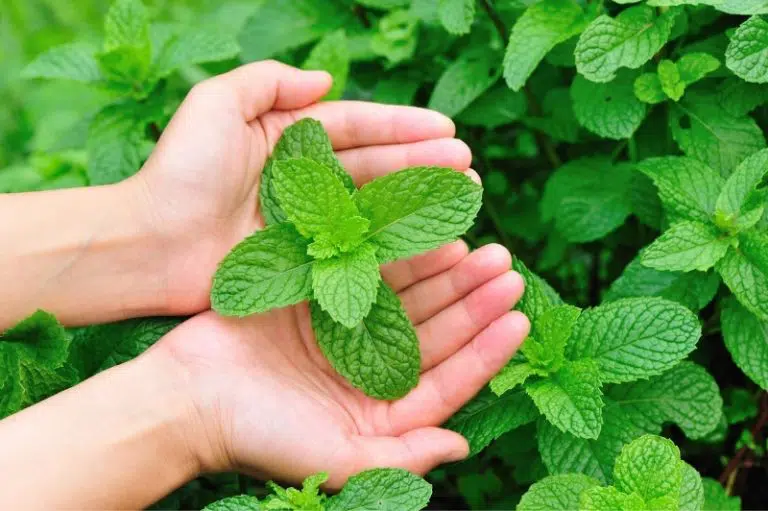
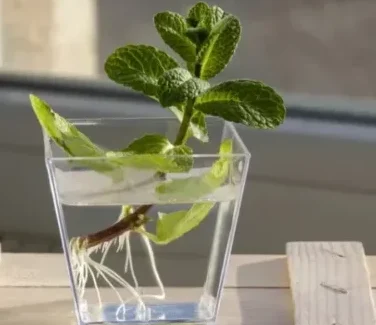
    Plants that make me more caring: Basil is a dense leaf plant so it needs water every day. if I forget to water only one day it shows me her pale face.
    now I try to describe some types of basi, Let start.

    Lemon basil, hoary basil, Thai lemon basil, or Lao basil, is a hybrid between basil and American basil. The herb is grown primarily in northeastern Africa and southern Asia for its fragrant lemon scent and is used in cooking. Lemon basil stems can grow to 25–45 cm tall.

    True to its name, Lemon Basil has a noticeable citrus flavour and scent intermingled with basil’s traditional clove and anise notes. Mrs. Burns’ Lemon Basil is a popular variety of the plant because of its larger leaves. Because of its lemony scent, this basil is wonderful in fish and seafood.
    Lamiaceae

    Cinnamon Basil is a flavorful and aromatic herb prized for its warm, sunny gardens for its culinary uses and ornamental value.
    spicy scent and taste. This attractive herb is a popular addition to m
    Gre soil is well-drained. This herb prefers full sun and thrives in warm, showing Cinnamon Basil is easy and can be done in most climates if the conditions. It can be grown from seeds or cuttings and should be planted in a sunny spot with well-drained soil. Once established, Cinnamon Basil is low-maintenance and requires only occasional watering.

    Cinnamon Basil can be used in various dishes, from sweet desserts to savoury entrees, and adds a unique flavour to teas and other beverages. Its attractive leaves and stems also make it a popular choice for ornamental gardens, where it adds texture and colour to the landscape.

    Sweet basil is grown in Full sun to partial shade.
    Duration to germination is only 6 to 10 days
    Seed depth 1/4 inch.
    it is an annual plant and sensitive to frost.
    It needs to maturity of 70 to 100 days,
    It becomes 10 to 20 inches tall
    Grow zones: 2-11 as an annual, and perennial in zones 10-11
    Sweet basil is a Pollinator attractant; it attracts bees and other pollinators.

    Related Post

    About Author
    Scroll to Top