

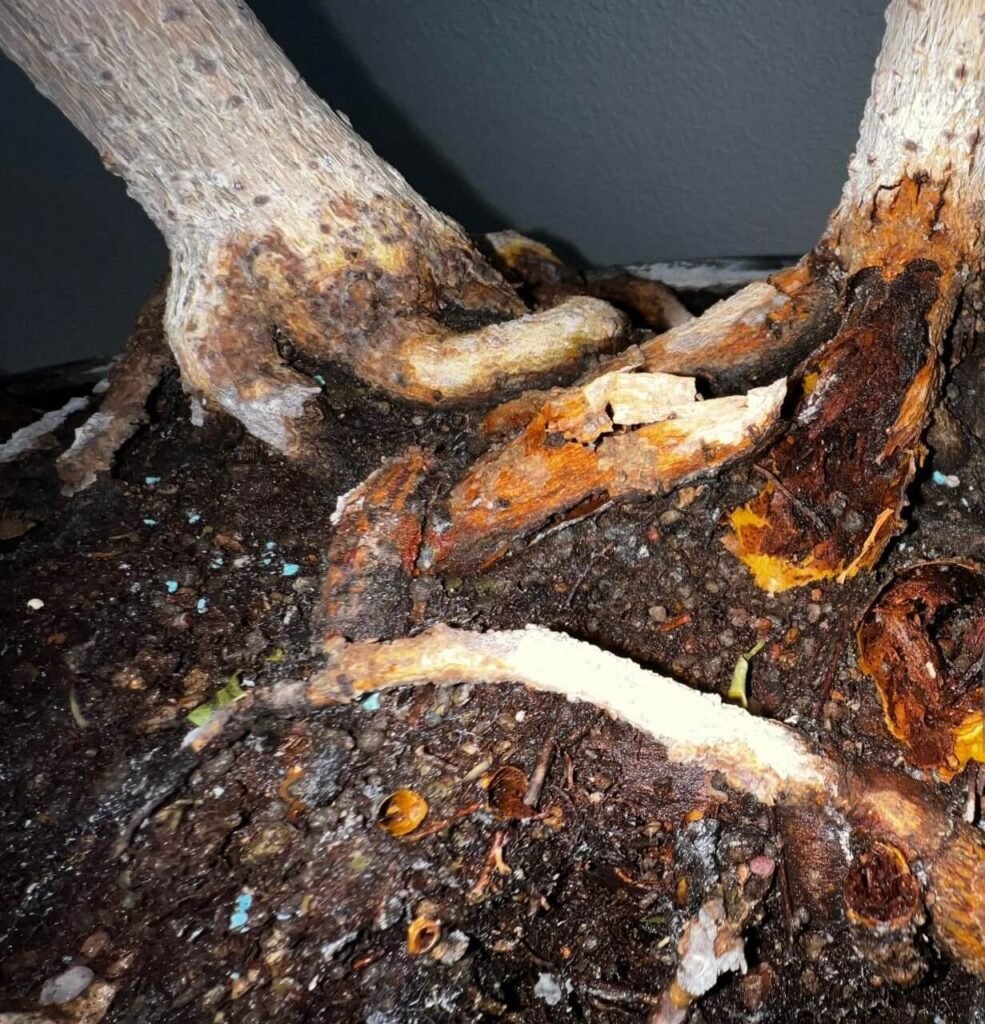
Rhizoctonia Rampage: Don’t Let This Sneaky Soil Fungus Turn Your Garden into a Zombie Apocalypse!
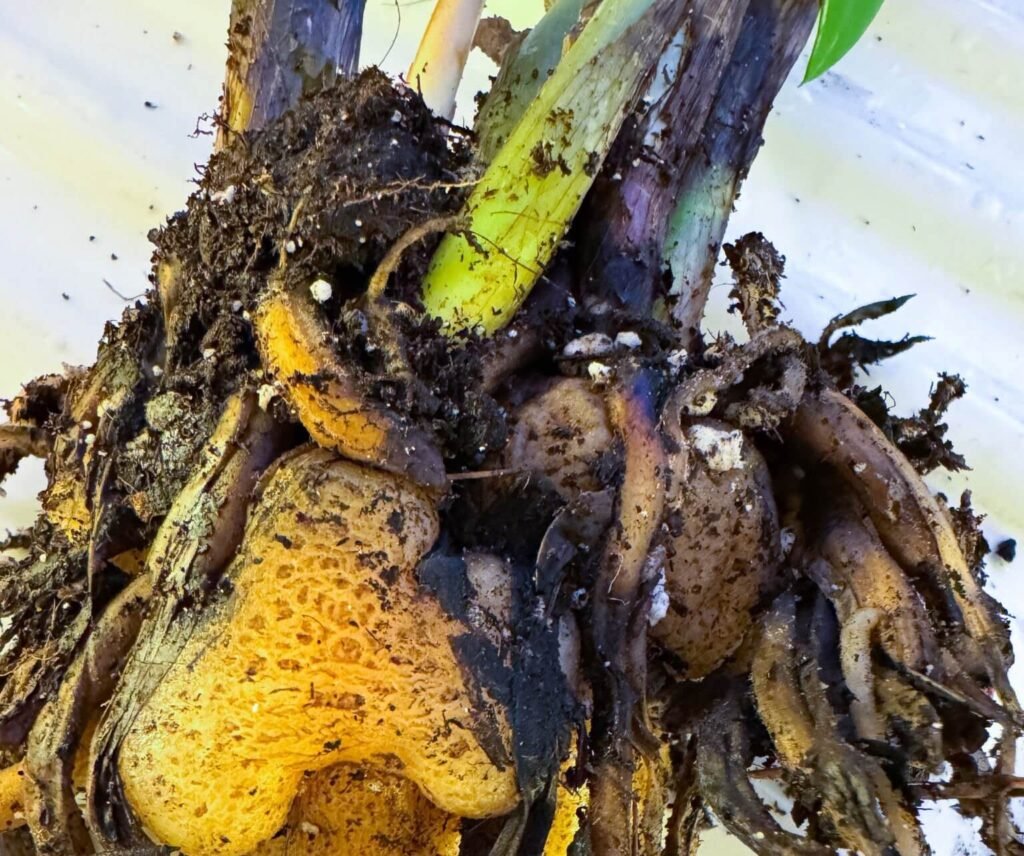
Picture your precious seedlings popping up like excited sprouts at a party, only to flop over dramatically like they’re in a bad horror flick—welcome to the wild world of Rhizoctonia solani, the shape-shifting fungal fiend that’s crashing gardens everywhere! This soil-dwelling drama king (a complex of sneaky fungal cousins) loves munching on everything from potatoes and cukes to beans and grains, racking up billions in crop carnage yearly. It hunkers down in dirt for years, plotting its comeback through damping-off disasters, root rot nightmares, and blight blasts that hit seeds first then storm the whole plant. Warmer, soggier spots are its VIP lounge, but as your fun-loving botanist buddy, I’ve got the dirt (pun intended) on spotting its tricks and slamming the door with pro prevention plays. Stick around for symptom sleuthing and a mega prevention playbook that’ll keep your greens grooving—no more fungal face-plants!
Fungus Foe Files: Meet the Many Faces of Rhizoctonia solani
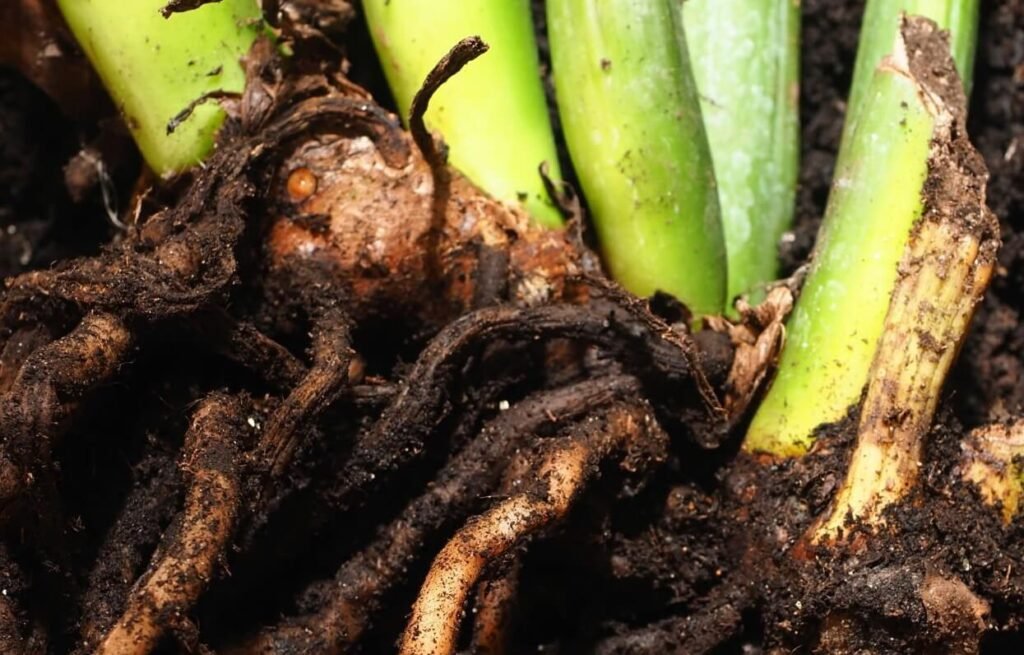
Rhizoctonia solani isn’t your average mold—it’s a fungal family reunion of over 100 sneaky strains (AG groups like AG-1 for blight bosses and AG-3 for potato predators), each tuned to trash specific crops worldwide from Aussie fields to U.S. heartlands. This survivor superstar chills as tough sclerotia (hard, potato-like nuggets) or mycelium threads in soil, crop debris, or even weeds, laughing off winters and droughts for 5-10 years. Its lifecycle is a heist movie: Starts with seed sabotage in cool springs (50-77°F sweet spot), ramps to root raids in wet warmth (above 80°F), then crowns with blight in late summer humidity. Oxygen-starved, compacted soils are its playground, spreading via splashing rain, tools, or boots. Economic gut-punch? Up to 50% yield nukes in soybeans or cukes—think billions lost globally. Exclusive edge: Rare AG-BI strains hit ornamentals like poinsettias with web blight, threading cottony nets between stems. Indoor pots? Overmulched houseplants get surprise root collapses. Knowledge nukes fear—let’s decode the damage next!
Symptom Showdown: Spot Rhizoctonia Shenanigans Before Total Takedown
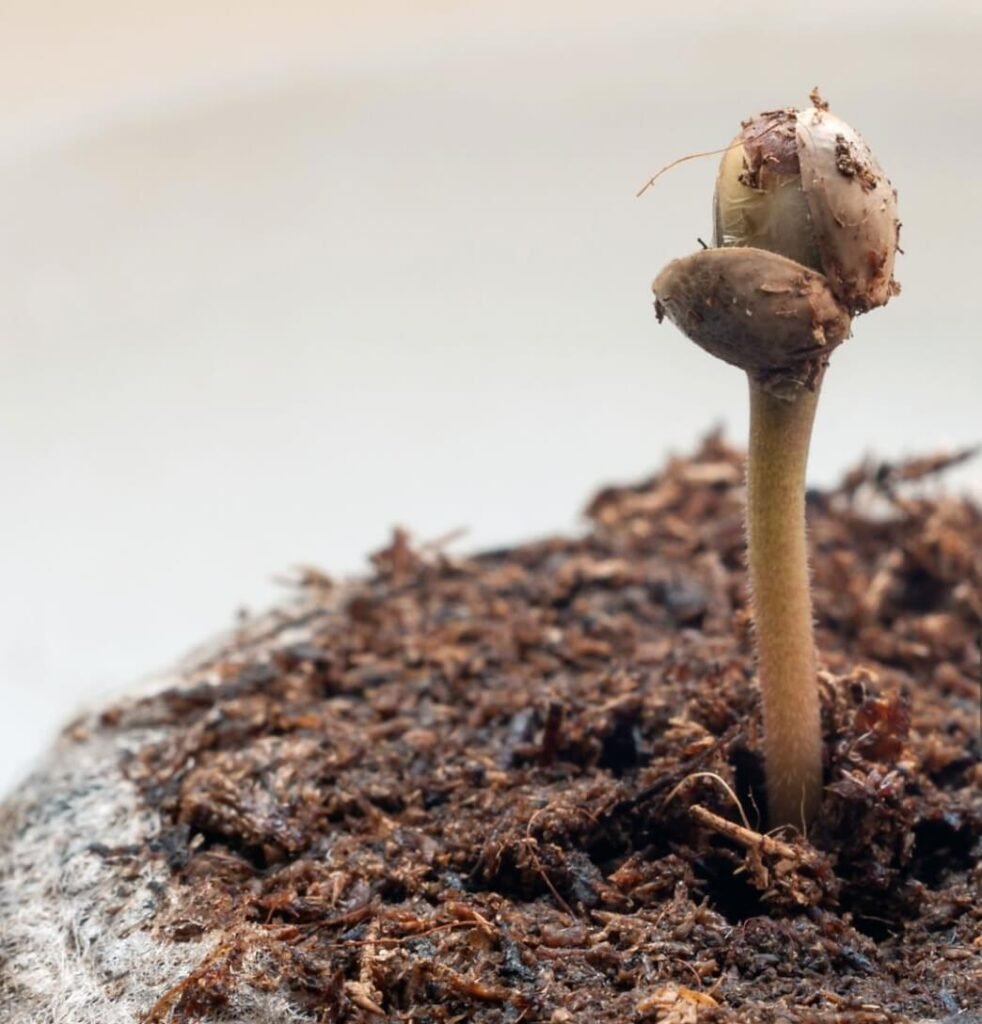
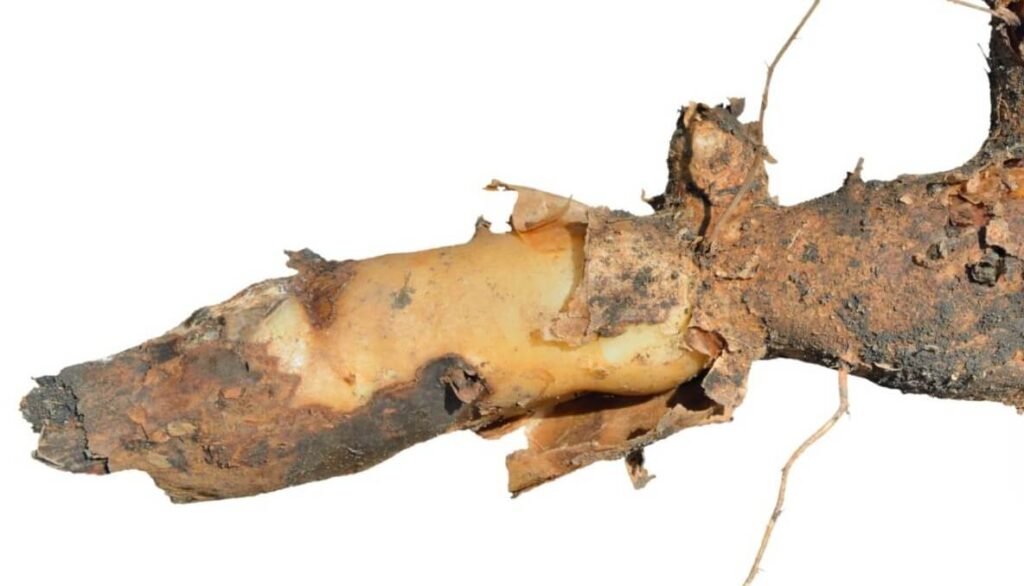
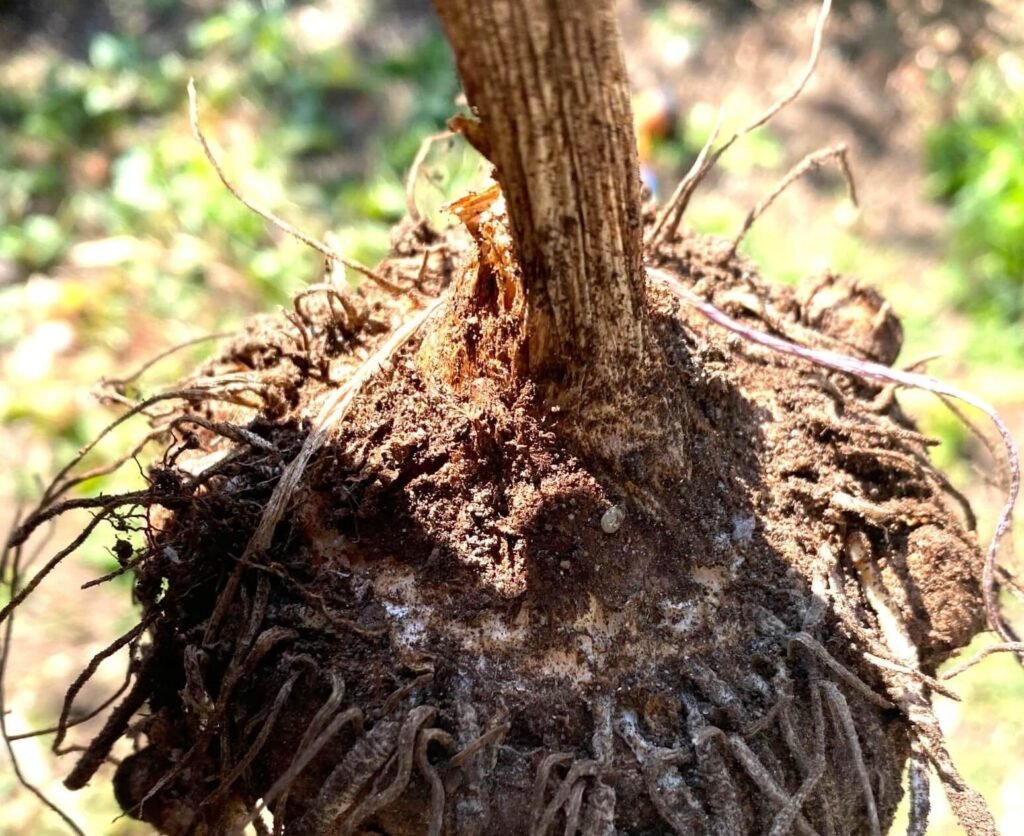
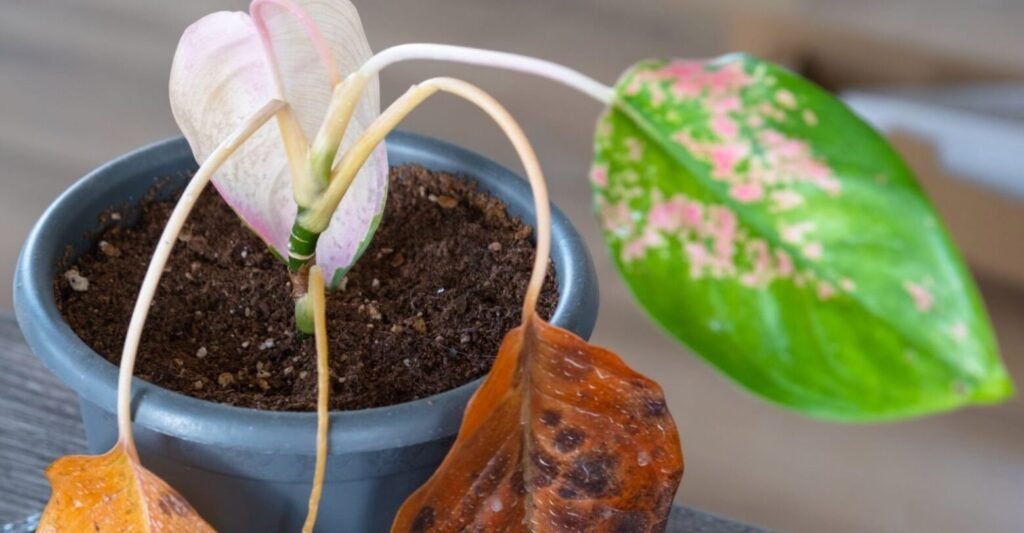
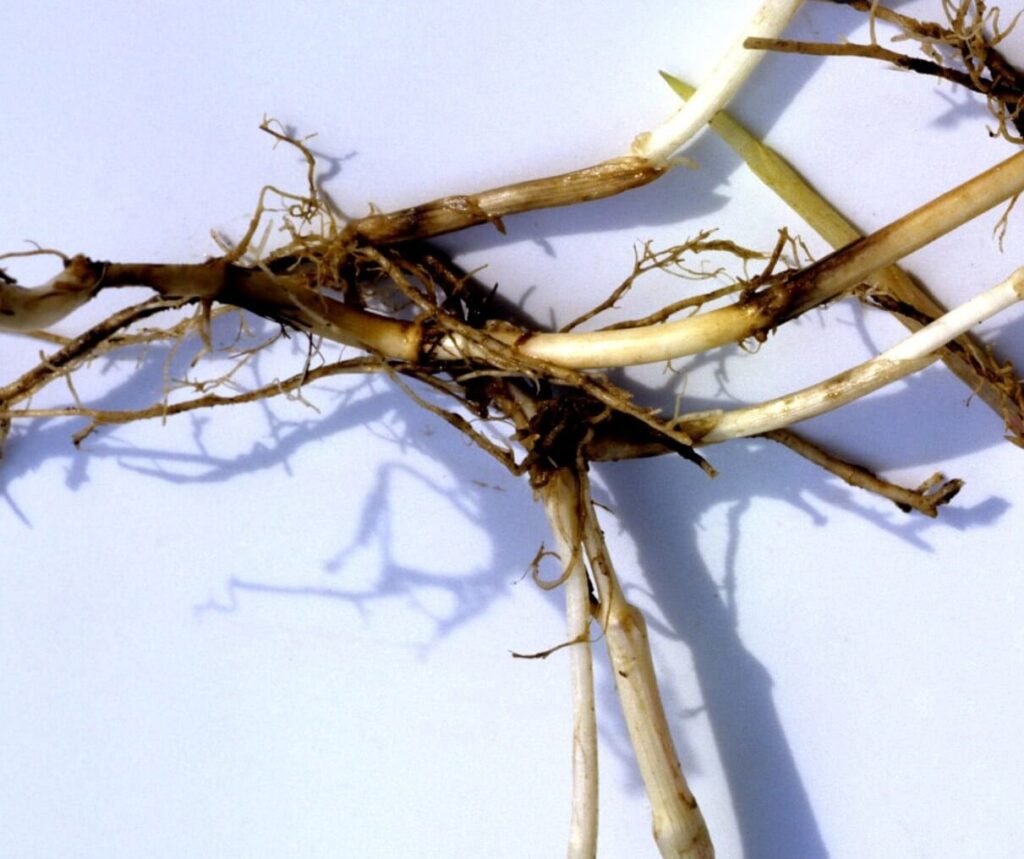
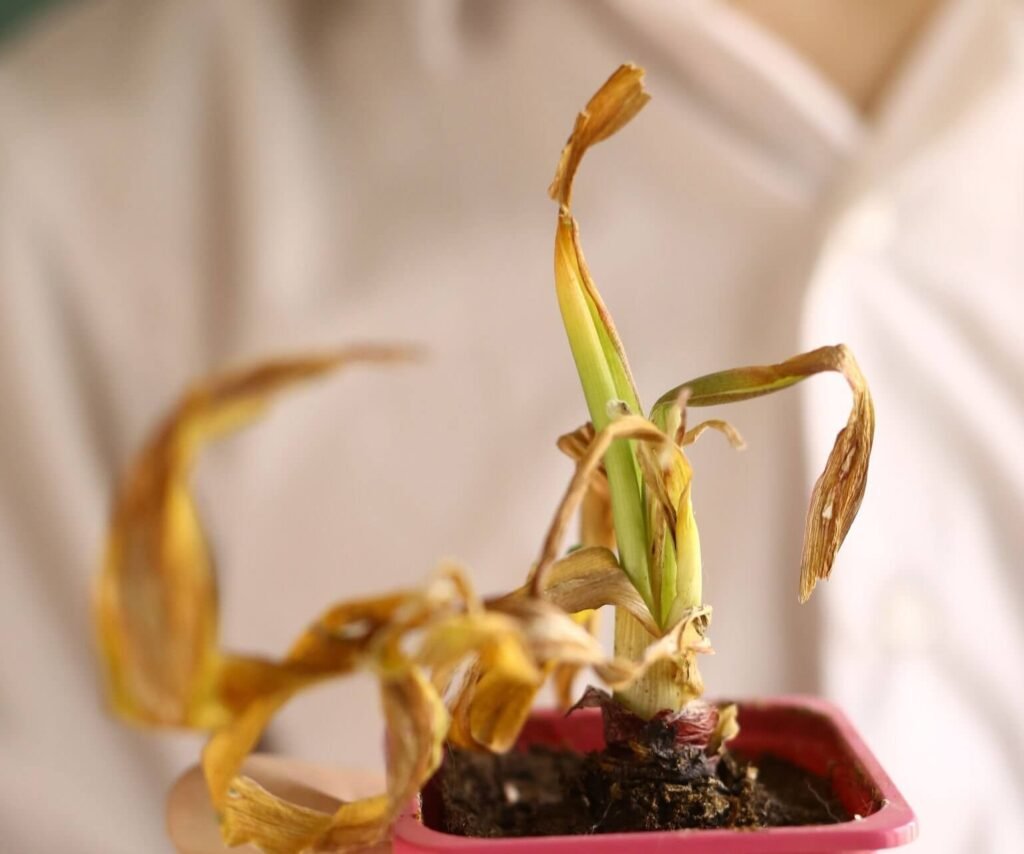
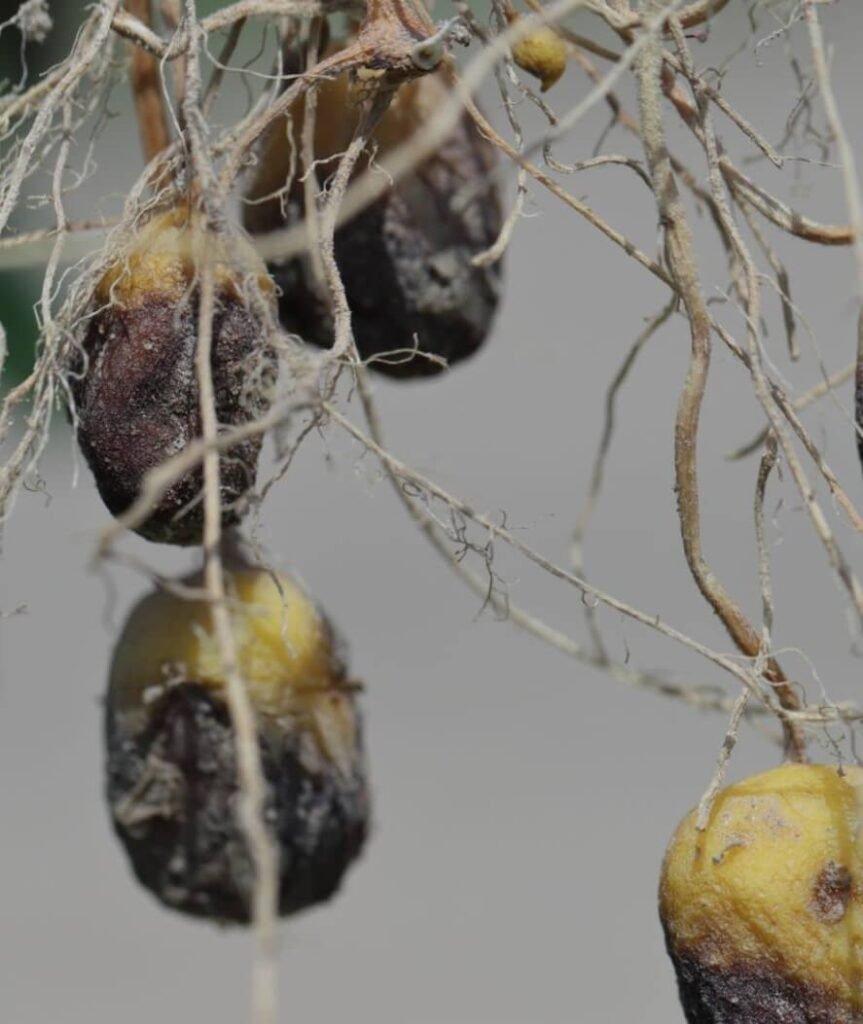
Rhizoctonia plays hide-and-seek masterfully, often symptom-free till late summer when heat and wet collide, but eagle eyes catch early whispers turning to screams. Damping-off drama kicks off the chaos: Pre-germ seeds rot into mush, or tiny seedlings keel over at soil line with “wirestem” (thin, brittle bases)—classic in crowded trays over 70°F. Stained seedlings sport rusty red-brown lesions on hypocotyls and taps, mimicking rust but fuzzier up close, killing radicles fast. Leafy laments hit next: Premature yellow halos or purple sheens on lower foliage signal crown invasion, wilting whole plants midday despite moist soil. Stem cankers creep as dark, sunken girdles expanding to necrotic craters, snapping stems like twigs. Sudden slumps follow—plants topple without warning as rot chews vascular highways. Stunted squads lag with puny shoots and sparse tillers, while root realms shrink: Fewer, stubby hairs turn honey-brown, sloughing off in mushy masses. Uncommon clues? “Shepherd’s crook” curled tips on cereals or webby mycelium mats post-rain on turf. Houseplants show basal rot with black crowns—sniff for musty soil funk! Lab twist: UV lights reveal sclerotia glowing brick-red. Quick ID saves seasons—prevention party starts now!
Prevention Powerhouse: Your Epic Arsenal to Annihilate Rhizoctonia Risks (Mega Edition!)
Buckle up, plant warriors—this isn’t your grandma’s spray-and-pray; it’s a 1000+ word fortress blueprint blending science smarts, grower gospel, and rare rabbit-hole remedies to starve Rhizoctonia before it strikes. Crop rotation revolution: Ditch repeats—switch to brassicas or grains for 3-4 years; non-hosts like corn disrupt AG-3 potato cycles by 70%. Seed sleuthing supremacy: Pick certified, hot-water-treated (122°F/25min) or bio-primed seeds—cuts damping-off 80%; solarize seedbeds pre-plant. Soil sanctuary strategies: Aerate compacted clays to oxygenate roots (Rhizoctonia hates breathers); boost organics (compost at 5% volume) for microbial mayhem against fungi—trichoderma rivals munch sclerotia alive. Sanitation showdown: Torch debris post-harvest (solarize piles to 140°F); sterilize tools in 10% bleach or flame; boot baths kill hitchhikers. Planting precision playbook: Sow shallow (1/2 inch) in fluffy mixes; space 6-12 inches for airflow—crowds breed 90% more blight. Mulch mastery: Use coarse bark or straw (2-3 inches) to suppress splash-spread; avoid fines that trap wet. Water wizardry: Drip-irrigate mornings only—night wets fuel 95% infections; withhold overhead till mid-day dry-out. Temp tango: Delay spring sow till soil hits 65°F; greenhouse vents hit 85°F daytime to dry canopies fast. Bio-boost brigade: Inoculate with Bacillus subtilis or Pseudomonas fluorescens (seed drenches)—antagonists outcompete by 60%; mycorrhizae fungi shield roots from rot. Fert frenzy fix: Balance N-P-K (avoid excess N>100lbs/acre sparking lush, susceptible tissue); silicon supplements (potassium silicate) fortify cell walls 40%. Variety vanguard: Hunt resistant cultivars—’Mountain Rose’ taters or ‘Silver Queen’ beans shrug off AG-2; CRISPR edits promise future-proof strains. Chemical cavalry (last resort): PCNB or fludioxonil seed treatments nuke 85% pre-emerge; azoxystrobin foliar for blight hotspots—but rotate to dodge resistance. Indoor exclusives: Sterilize potting mix (microwave damp soil 90s/quart); bottom-water to skip crown splash; UV-C wands (254nm, 10s/scan) zap surface sclerotia. Rare remedies: Chitosan sprays (crab-shell extract) trigger defenses, slashing lesions 50%; milk dilutions (1:9 water) antifungal enzymes curb late blight. Greenhouse gods: UV-blocking plastics cut reinfection 30%; fumigate with allyl isothiocyanate from mustard amendments. Turf titans: Ammonium sulfate acidifies (pH 5.5-6.5) inhibiting sclerotia; fairy ring breakers like peat moss disrupt cycles. Monitor with bait traps (wheat seeds buried 2 weeks, check mycelium). Pro protocol: Integrated Pest Management (IPM) layers all—scout weekly, act at 5% seedlings hit. Long-game legend: Cover crops like mustard biofumigate via glucosinolates, sterilizing soil naturally. Experimenter edge: DIY solar tents (clear plastic 6 weeks summer) hit 150°F frying foes. Kid-safe hack: Cinnamon powder (1 tsp/gallon water drench) volatile oils repel germlings. Economic ace: ROI skyrockets—$1 prevention saves $10 losses. Tailor to targets: Cuces love raised beds draining woes; soyas dig no-till residue shredding. Track weather apps for 3-day wet forecasts—preempt with fungicide windows. Community collab: Swap resistant stock locally. Future-forward: AI soil sensors flag pH/moisture spikes early. This arsenal turns terror to triumph—your garden’s unbreakable!
Victory Vibes: Beyond Prevention to Plant Powerhouse Recovery
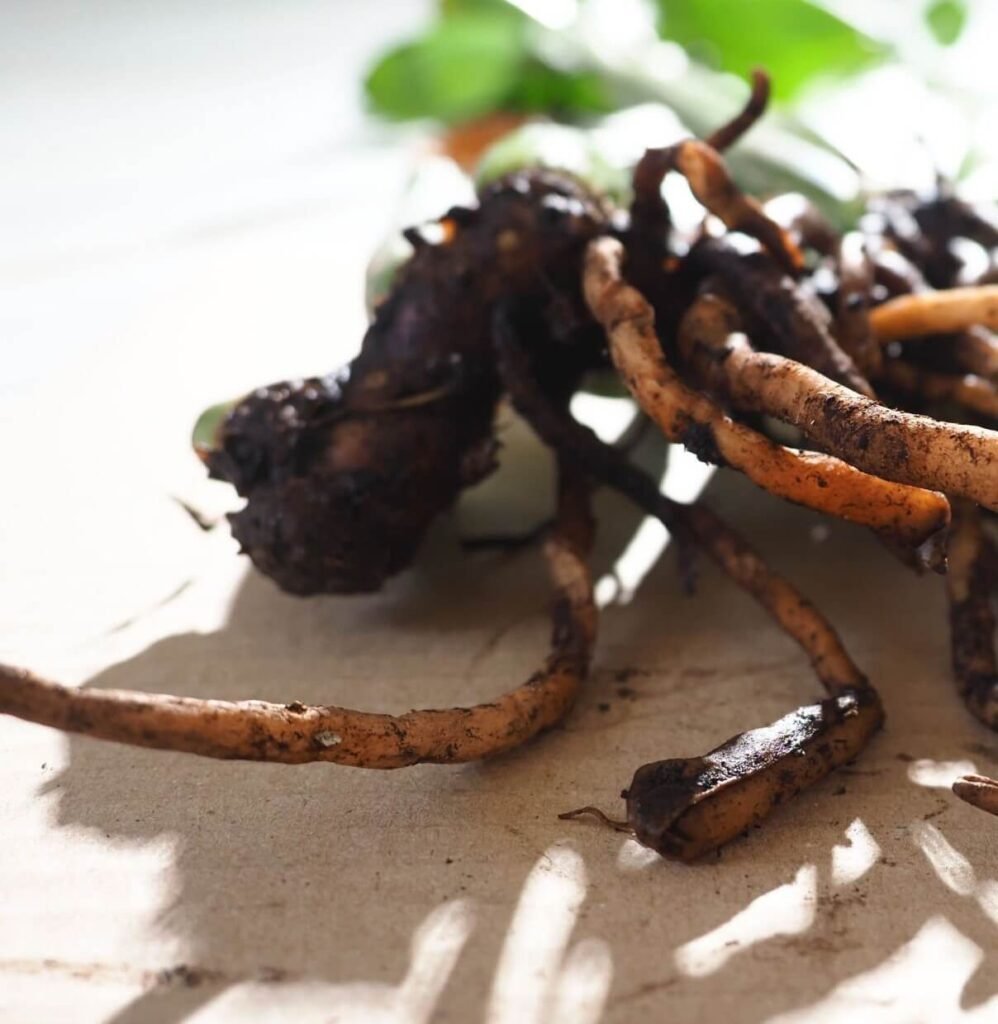
Outsmarted Rhizoctonia? Rally with resilience boosters—flush infected soil with peroxide (1:4 water), repot in sterile grit, and prune necrotic bits to live tissue. Foliar kelp extracts speed rebound, pumping auxins for root regrowth. Celebrate with diverse polycultures—intercrops like marigolds secrete alpha-terthienyl nematicides doubling as fungal foes. Your thriving turf awaits—happy growing, no zombies allowed!
related post
indoor gardening ideas
Some unique garden ideas should be your first choice Indoor Garden Ideas If you have…
Neem tree
Neem Tree Benefits Neem Tree In English The Persian phrase “Azad-darakht-i-Hindi” converts into Azadirachta, which…

Stevia
stevia leavesA plant-based sweetener from a species known as Stevia What Is Stevia? Know About…
Miltonia Orchids
Miltonia Orchid Care Table of Contents Add a header to begin generating the table of…

Plants Caring Tips During Winter
How to care for indoor plants during winter Table of Contents Add a header to…
Salads Leafy Plant:
Salads Leafy Plant Table of Contents Add a header to begin generating the table of…

Rosemary Plant
Rosemary Know About Rosemary: If you found an aromatic herb in your kitchen then It…

Clintro/Coriander
Cilantro/Coriander Table of Contents Add a header to begin generating the table of contents History…

Bearss Lemon
Bearss Lemon Tree Table of Contents Add a header to begin generating the table of…
Tomato
Know the Growing Result Of Tomato | Proper Guideline. Table of Contents Add a header…

Cherry Peppers
Cherry Peppers Do you Love cherry? Of course, I do love and It’s so yummy…

I am an experienced indoor gardener working happily
and successfully in this sector for about five years.
Thank You
Leave a Reply