

- The Botanist Explanation, Minus the Boring Stuff
- 1. What Is Mechanical Damage in Plants? The Botanist Explanation, Minus the Boring Stuff
- 2. Signs of Mechanical Damage: How to Tell If Your Plant Was Physically Hurt
- 3. Why Mechanical Damage Is More Dangerous Than It Looks (The Hidden Risks)
- 4. How to Prevent Mechanical Damage of Plants
- A. Handle Plants Gently (Yes, This Matters a LOT)
- B. Protect Plants From Wind
- C. Prepare for Bad Weather
- D. Be Careful With Tools & Equipment
- E. Protect Roots (The Most Ignored Part)
- F. Use Proper Pruning Techniques
- G. Keep Animals Away (Human & Non-Human)
- H. Support Heavy Fruits & Flowers
- I. Reduce Human Traffic Around Plants
- J. Strengthen Plants Naturally
- K. Treat Injuries Quickly
- L. Choose the Right Plant for the Right Place (Uncommon but Powerful Tip)
- Final Takeaway: Mechanical Damage Is Preventable, Not Inevitable
Mechanical Damage of Plants: When Your Green Friends Get Bruised, Broken, and Beat Up
Ever looked at your plant and thought, “Who hurt you?”
Bent stems. Torn leaves. Broken branches. Weird scars that weren’t there yesterday.
No pests. No disease. Just… damage.
Welcome to the world of mechanical damage — the most underrated (and misunderstood) cause of plant suffering. It’s not always insects or fungus. Sometimes, your plant just had a really bad day.
1. What Is Mechanical Damage in Plants? The Botanist Explanation, Minus the Boring Stuff
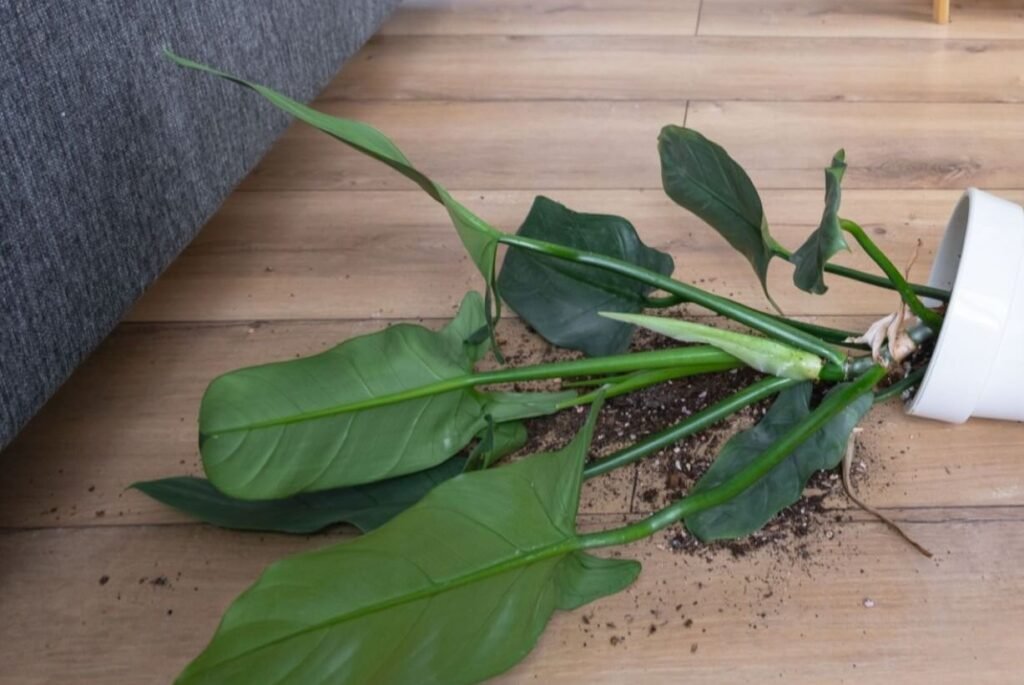
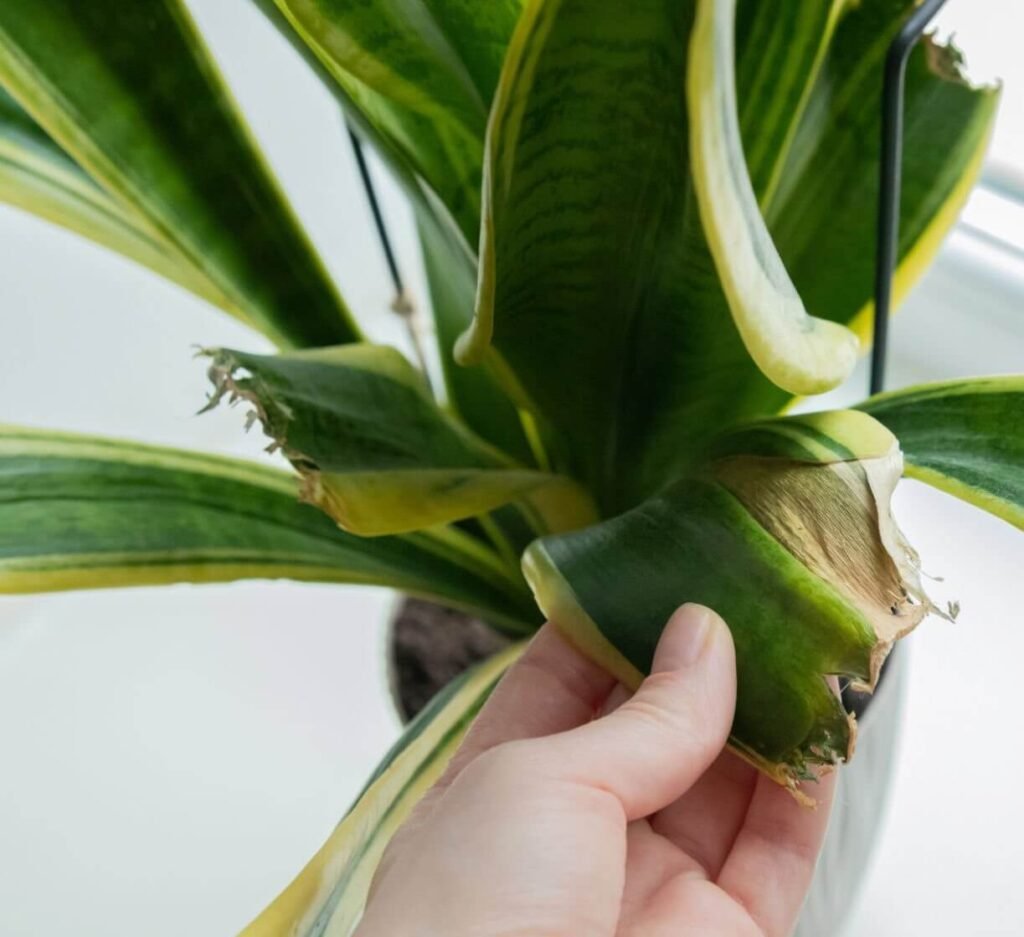
Mechanical damage is exactly what it sounds like: physical injury to a plant’s tissues. Think of it as plant bruises, cuts, fractures, or crushed parts caused by outside forces, not by pathogens or nutrient problems.
Plants may look calm and quiet, but they’re surprisingly fragile. Their tissues — leaves, stems, roots, bark — rely on intact structures to transport water, nutrients, and sugars. When those structures are damaged, the plant’s internal system gets disrupted, fast.
Common sources of mechanical damage include:
- Strong winds
- Hailstorms
- Heavy rain
- Falling branches
- Animals stepping, chewing, or rubbing
- Lawn equipment (mowers, trimmers)
- Rough human handling
- Transport damage
- Construction or digging nearby
- Improper pruning
Unlike animals, plants cannot heal wounds the same way. They don’t “close” injuries. Instead, they form protective barriers around damaged tissue. If the injury is too large or deep, that barrier may fail — opening the door to rot, infection, or even death.
Mechanical damage doesn’t always kill a plant immediately. Often, the damage weakens it slowly, reducing growth, flowering, and fruiting. In severe cases (trunk breaks, root damage), death can be sudden.
The scary part? Mechanical damage often looks harmless at first — until weeks later, when the plant collapses.
2. Signs of Mechanical Damage: How to Tell If Your Plant Was Physically Hurt
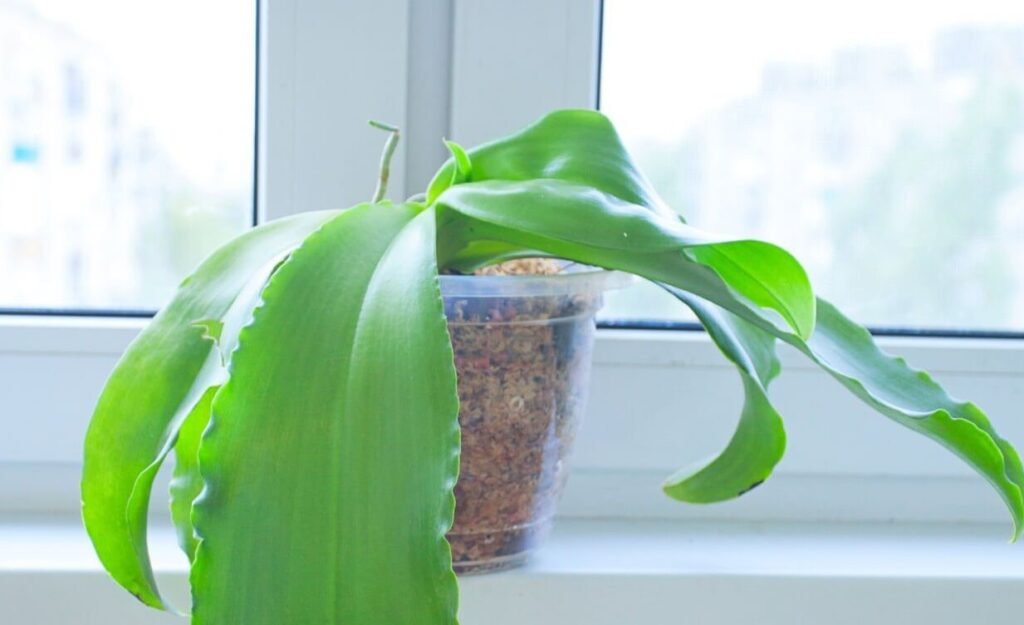
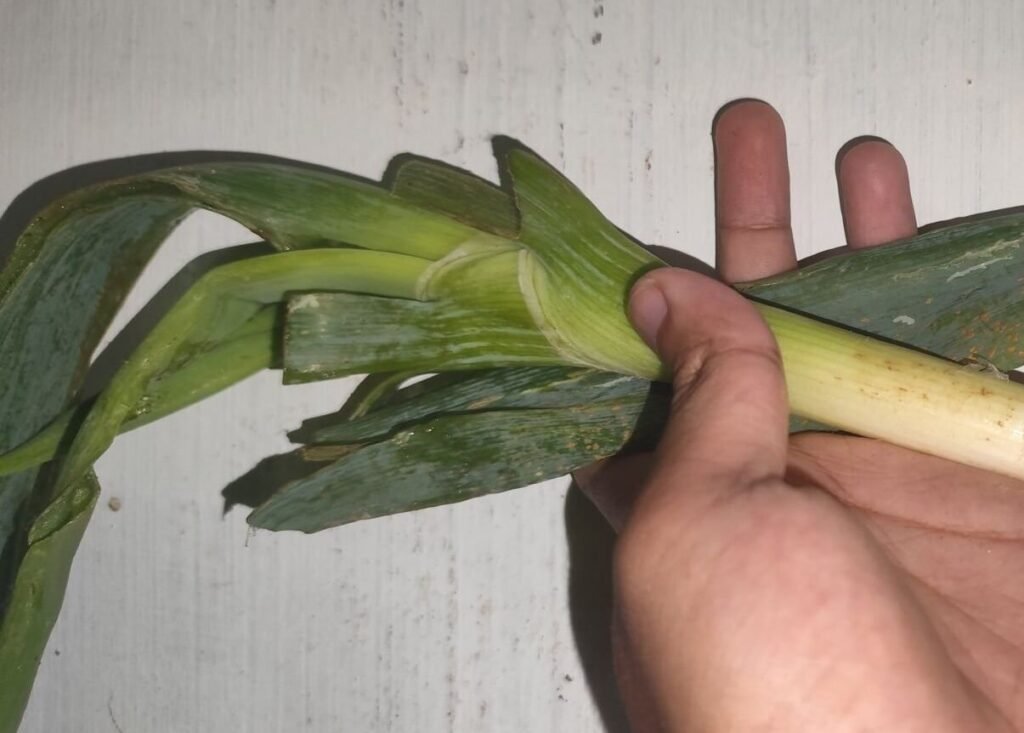
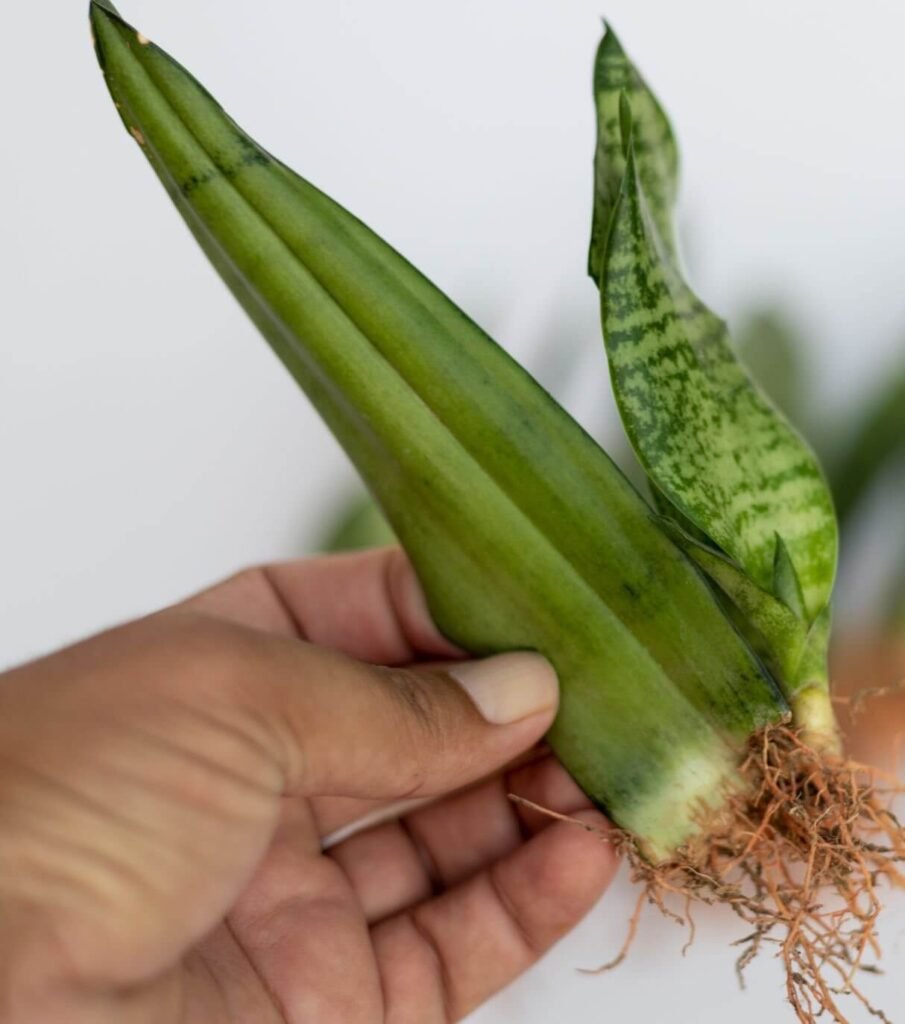
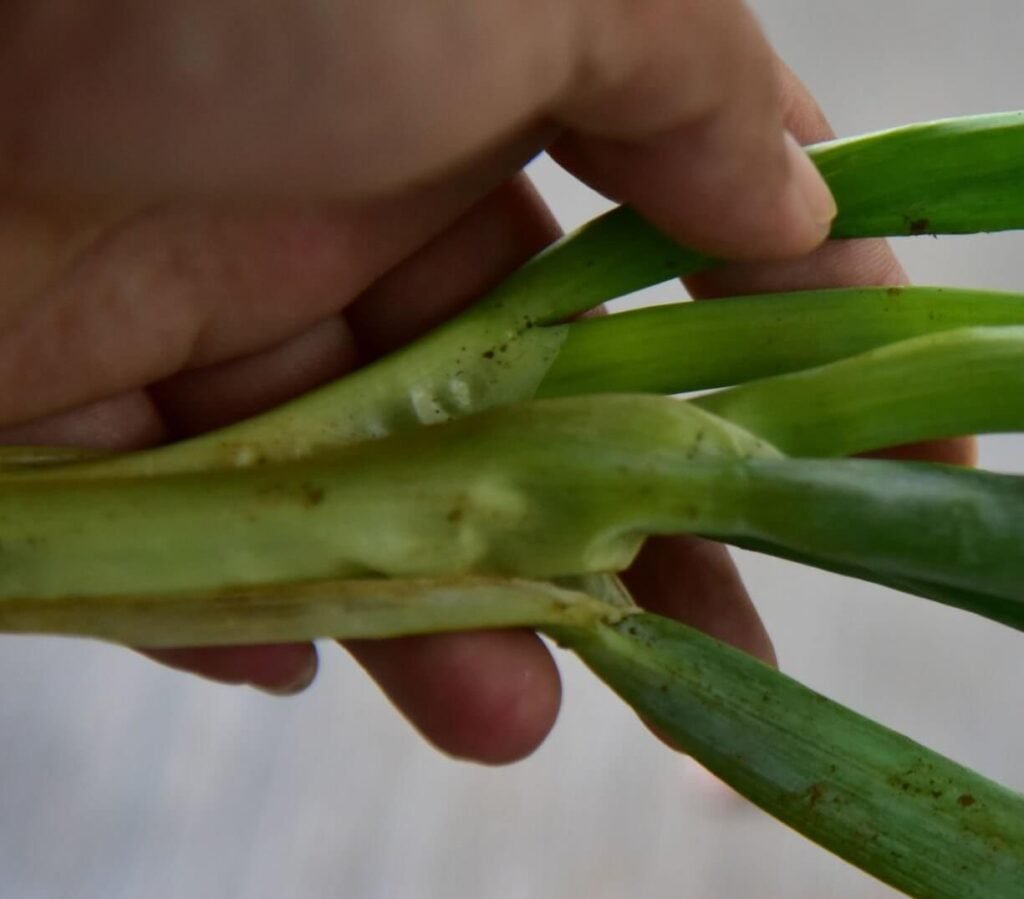
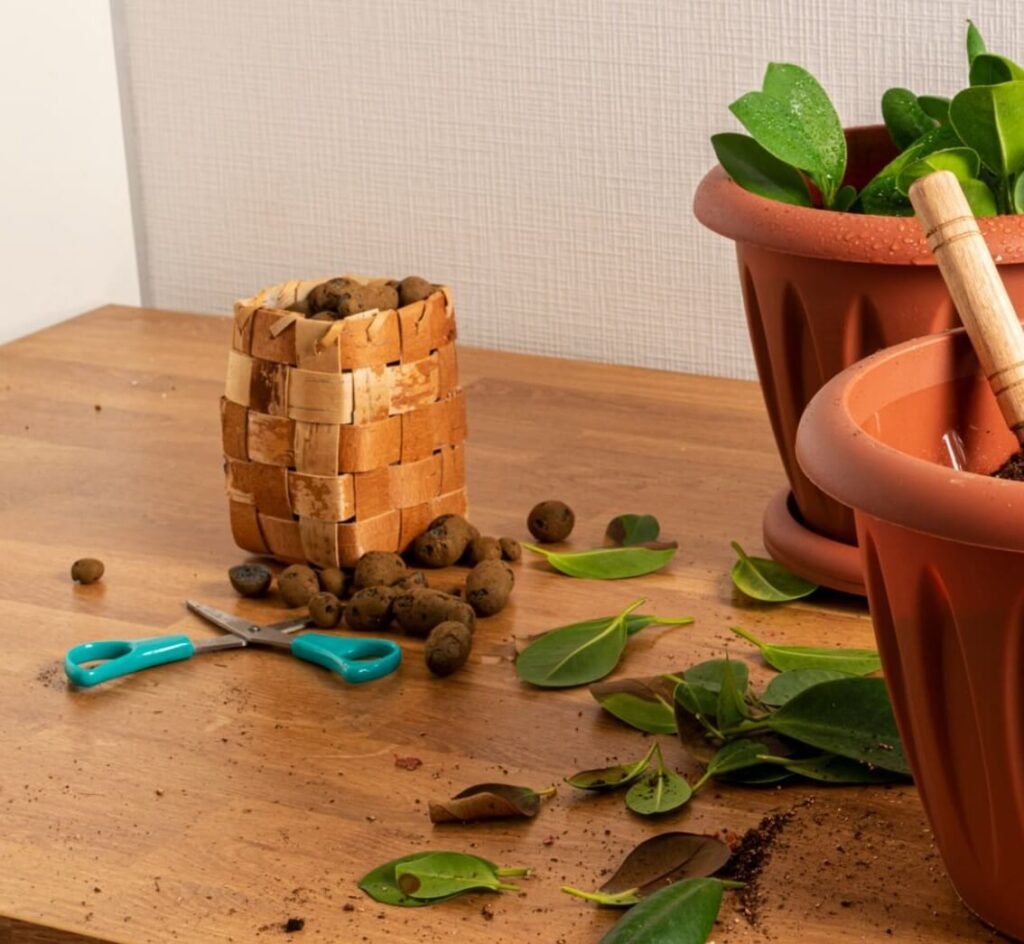
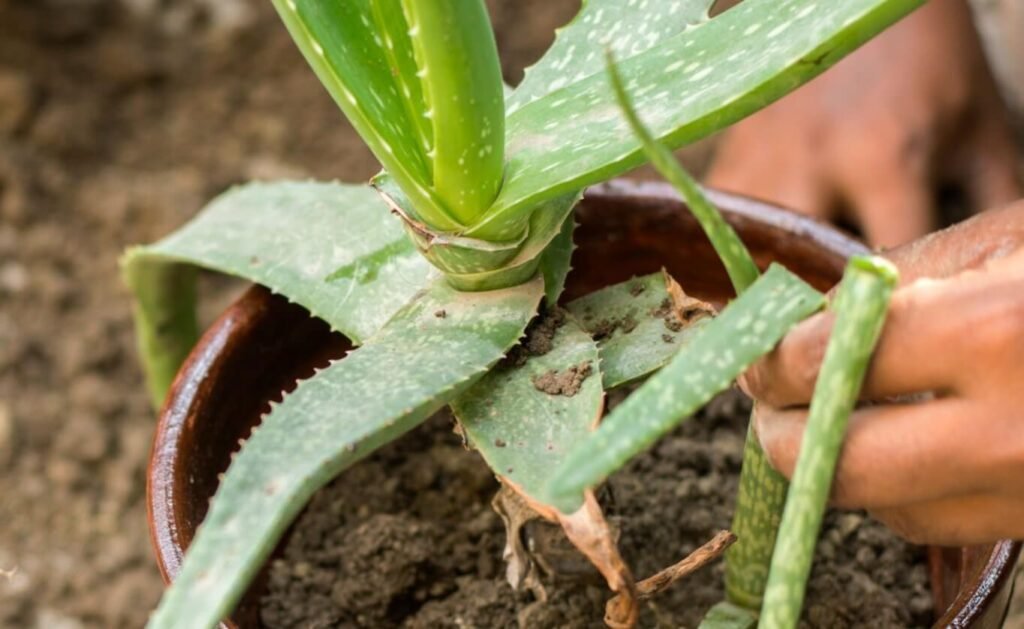
Mechanical damage has a very different “look” compared to diseases or nutrient problems. Once you know the signs, you can spot it instantly.
Necrotic Spots on Leaves
These appear as brown, sunken, or concave areas. Unlike disease spots, they:
- Have irregular shapes
- Often appear suddenly
- Match the size of impact (hail, bending, tearing)
These spots weaken the leaf and reduce photosynthesis.
Non-Healing Wounds & Ulcers
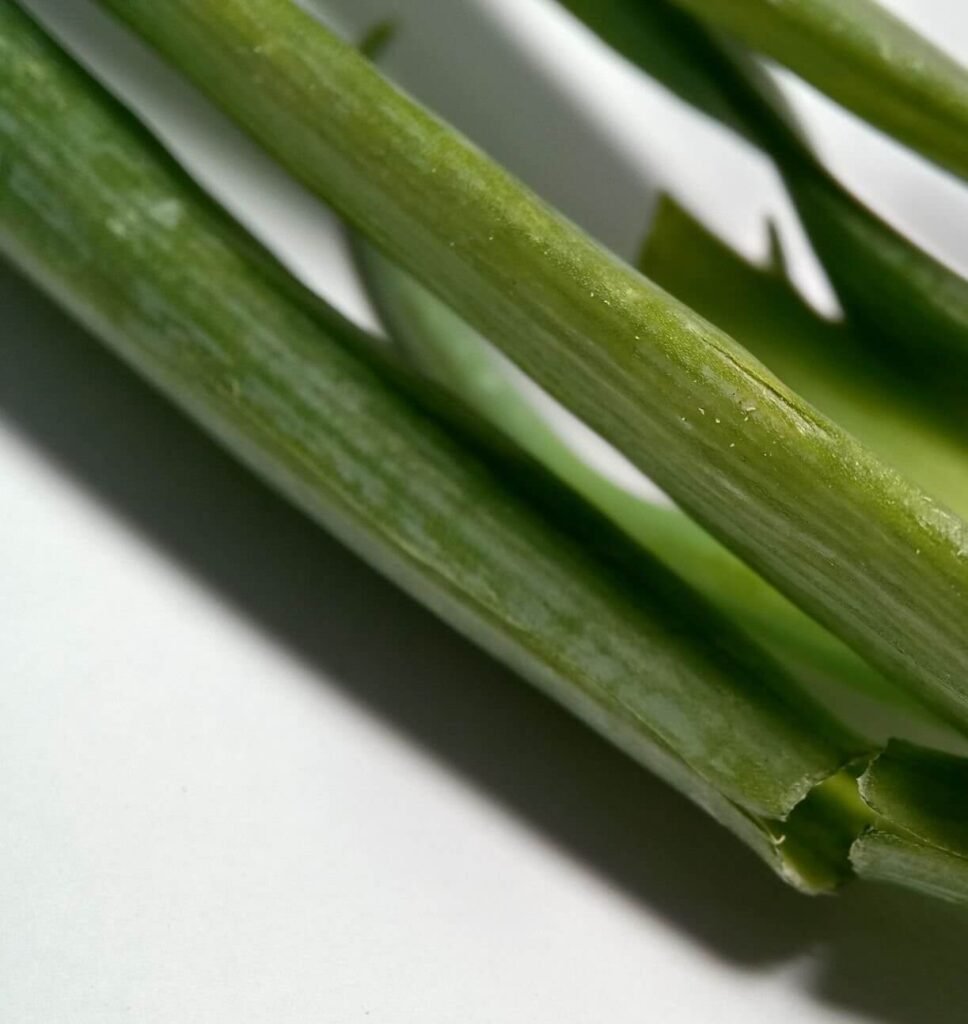
Cuts or scrapes on stems and trunks may turn dark and dry. These wounds don’t regenerate tissue — instead, they scar over. Large wounds remain open and vulnerable.
Broken or Cracked Stems & Branches
- Partial fractures cause uneven growth
- Full breaks interrupt nutrient flow
- Cracks allow moisture and pathogens inside
This is especially dangerous for trees, palms, and woody plants.
Bruising in Soft Plants
Herbaceous plants (like basil, lettuce, begonias) bruise easily. Damaged tissue becomes:
- Soft
- Dark
- Watery
- Prone to rot
Fruit & Seed Damage
Mechanical stress causes:
- Fruit dropping early
- Bruised produce
- Grain shedding
- Misshapen fruits
This has major economic impact in agriculture.
Root Damage & Rot
Root injury from digging, compacted soil, or overhandling leads to:
- Poor water uptake
- Yellowing leaves
- Wilting
- Root rot
Roots are silent sufferers; damage here is often detected too late.
3. Why Mechanical Damage Is More Dangerous Than It Looks (The Hidden Risks)
At first glance, a torn leaf or bent stem doesn’t seem fatal. But mechanical damage is sneaky; it weakens the plant’s defense system.
Here’s why it’s risky:
- Wounds become entry points for fungi and bacteria
- Broken tissues leak sugars that attract pests
- Damaged roots limit nutrient absorption
- Energy is diverted to damage control instead of growth
- Stress hormones increase, slowing development
Mechanical stress also causes:
- Uneven branch growth
- Poor flowering
- Reduced fruit quality
- Stunted plants
- Increased disease susceptibility
In trees, mechanical damage to the trunk is especially serious. Trees cannot replace trunk tissue. A deep wound may compromise stability for life.
Young plants, seedlings, and newly transplanted specimens are extra vulnerable because their tissues haven’t hardened yet.
The biggest problem? Most gardeners focus on watering and fertilizing while ignoring physical protection. But preventing mechanical damage is often easier than treating its consequences.
4. How to Prevent Mechanical Damage of Plants
This is where smart plant care begins. Below is a complete prevention strategy, combining basic gardening sense with less-known professional tips.
A. Handle Plants Gently (Yes, This Matters a LOT)
Most mechanical damage comes from people.
✔ Always lift plants by the pot never by stems
✔ Support stems when moving plants
✔ Avoid squeezing leaves
✔ Don’t shake plants aggressively
Pro tip: Wet plants are more fragile. Handle only when dry.
B. Protect Plants From Wind
Wind is a top cause of breakage.
✔ Use stakes for tall plants
✔ Tie loosely with soft ties (never wire)
✔ Install windbreaks (fences, hedges, netting)
✔ Group plants together for mutual protection
Avoid tight tying — it causes stem injuries.
C. Prepare for Bad Weather
Storms don’t send warnings.
✔ Cover plants during hail
✔ Move potted plants indoors
✔ Use row covers or garden fleece
✔ Prune weak branches before storm season
For trees, remove deadwood early — falling branches cause serious damage.
D. Be Careful With Tools & Equipment
Gardening tools are silent villains.
✔ Keep lawnmowers away from trunks
✔ Trim carefully near roots
✔ Avoid string trimmers near stems
✔ Use sharp, clean tools
Blunt tools tear tissue instead of cutting cleanly.
E. Protect Roots (The Most Ignored Part)
Root damage often happens underground.
✔ Avoid digging too close to plants
✔ Prevent soil compaction
✔ Use mulch to buffer impact
✔ Don’t over-repot
Healthy roots mean strong above-ground growth.
F. Use Proper Pruning Techniques
Bad pruning = intentional mechanical damage.
✔ Cut at correct angles
✔ Don’t tear branches
✔ Prune during appropriate seasons
✔ Avoid removing more than 25% at once
Clean cuts heal better than jagged breaks.
G. Keep Animals Away (Human & Non-Human)
Animals don’t mean harm — but plants still suffer.
✔ Use fencing or mesh
✔ Protect trunks with guards
✔ Elevate vulnerable plants
✔ Keep pets from stepping on beds
Even repeated brushing can cause long-term injury.
H. Support Heavy Fruits & Flowers
Plants don’t always handle their own success.
✔ Use trellises for climbers
✔ Support heavy fruit clusters
✔ Tie flower stalks gently
This prevents bending and snapping.
I. Reduce Human Traffic Around Plants
Repeated brushing causes micro-injuries.
✔ Define walking paths
✔ Keep kids away from fragile plants
✔ Avoid overcrowding
Plants need personal space too.
J. Strengthen Plants Naturally
Strong plants resist damage better.
✔ Proper nutrition
✔ Adequate light
✔ Balanced watering
✔ Good airflow
Avoid excessive nitrogen it causes soft, weak growth.
K. Treat Injuries Quickly
If damage happens:
✔ Remove severely damaged tissue
✔ Keep wounds dry
✔ Improve airflow
✔ Avoid sealing wounds with random substances
Plants heal best when stress is minimized.
L. Choose the Right Plant for the Right Place (Uncommon but Powerful Tip)
Not all plants belong everywhere.
✔ Windy areas → flexible plants
✔ High-traffic areas → tough species
✔ Balcony gardens → compact growth
Wrong placement = constant damage.
Final Takeaway: Mechanical Damage Is Preventable, Not Inevitable
Mechanical damage isn’t about bad luck it’s about awareness. Once you understand how plants get physically injured, prevention becomes simple and almost automatic.
Protect your plants from rough handling, weather stress, and careless contact, and they’ll reward you with stronger growth, better flowering, and longer life.
Your plant doesn’t need perfection — just a little protection.
rhizoctonia blight damping-off and root rot
Rhizoctonia Rampage: Don’t Let This Sneaky Soil Fungus Turn Your Garden into a Zombie Apocalypse!…
plant’s mechanical damage
The Botanist Explanation, Minus the Boring Stuff Mechanical Damage of Plants: When Your Green Friends…
flowering period
Plant’s Flowering Period Endsfinished flowering period When Your Plant’s Flowering Period Ends: Here’s What Actually…
chilling and frost Injury
Chilling & Frost Injury in Plants: When Your Green Babies Catch a Cold Literally! If…

diseases leaf senescence in plants
Here’s a closer view of the leaves on this plant. Leaf Senescence in Plants: Why…
diseases pucciniales
Pucciniales (Rust Fungi): The Plant Plague That Sneaks Into Your Garden Like It Pays Rent…
disease verticillium wilt
Verticillium Wilt: The Sneaky Garden Villain That Pretends to Do Nothing… Until It Destroys Everything…
diseases plants nematodes
Plant Parasitic Nematodes: The Tiny Worms That Cause Big Drama in Your Garden If garden…
diseases black knot
Black Knot: The “Tree Parasite” That Looks Like Burnt Popcorn And How to Stop It!…
diseases nutrient-excess
nutrient excessnutrient excess Nutrient Excess in Plants: When More Isn’t Always MerrierYour Ultimate Guide to…
diseases peach-leaf-curl
peach leaf curl symptoms Peach Leaf Curl: The Drama Queen of Fungal Diseases And How…
diseases/plants-shot-hole
Your Tree Has Polka Dots? Meet Shot Hole Disease the Cherry Orchard Villain You Never…
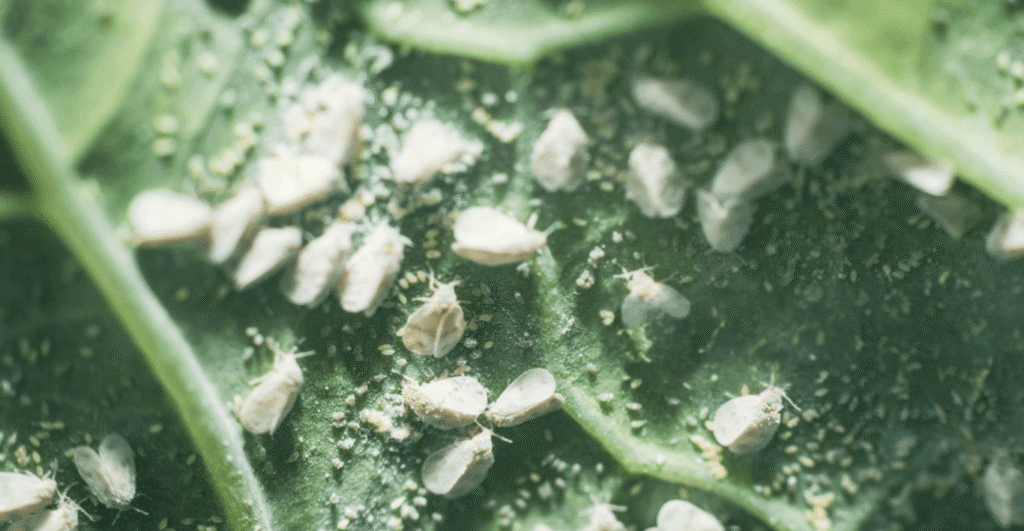
plants common pests-insect-bug-identify
PLANT PEST IDENTIFICATION: THE COMPLETE, FRIENDLY BOTANIST’S GUIDE Read More Bug Busting Bonanza: Spot Those…

plant disease diagnosis
Plant Doctor Decoder: Spot, Stop & Save Your Greens from Sneaky Diseases! Read More Spot…

plant problems diagnosis
All problems : Common Pests | Disease-Diagnosis Let’s identify plants’ problems Your Plants Are Plotting…
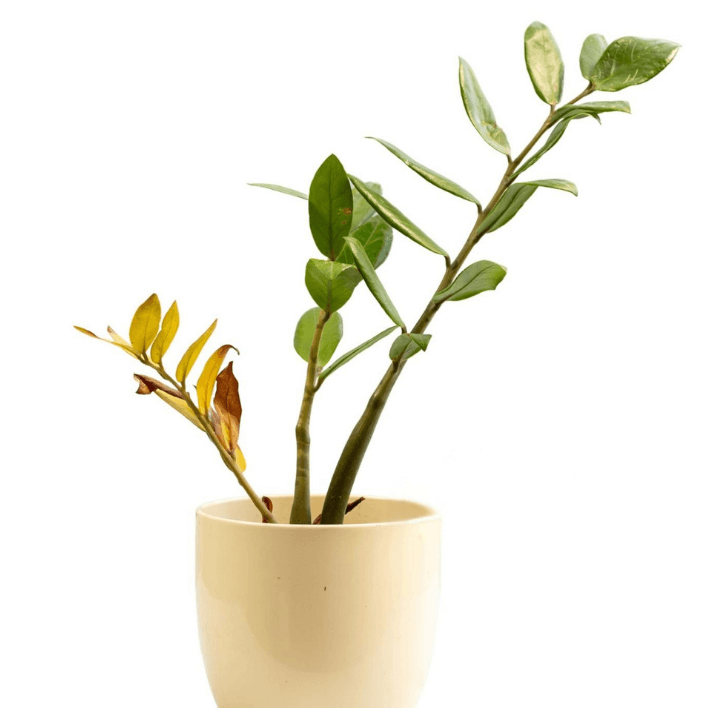
identify healthy vs unhealthy plants
identify healthy vs unhealthy plants How to Identify Healthy vs Unhealthy Plants When Buying So…
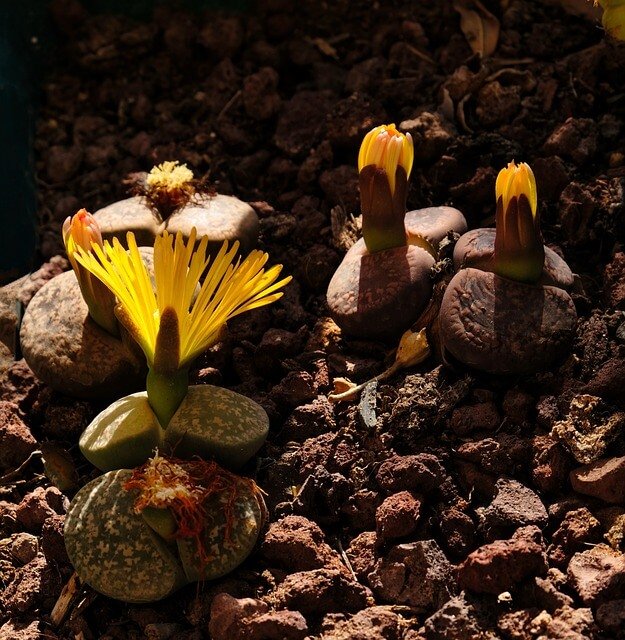
identifying rare or unusual plants
What plant is this?Identify your rare or unusual plants Mystical Ghost Orchid – Indoor Care,…
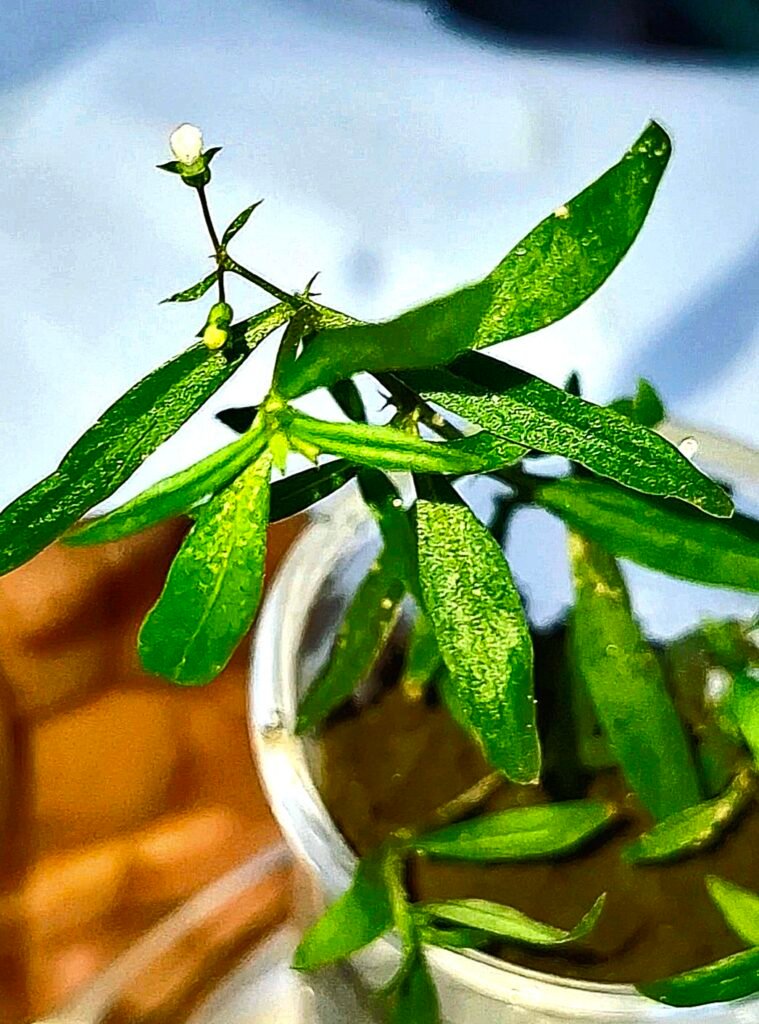
oldenlandia corymbosa
Oldenlandia corymbosa Oldenlandia corymbosa Oldenlandia Corymbosa (Flat-Top Mille Graines): A Tiny Herb with Big Benefits…
bamboo tree
Bamboo Tree Benefits: 10 Essential Health Tips for Indoor & Outdoor Living Bamboo is one…
grow-bromeliads-indoors
Bromeliad Plants Indoors: The Ultimate Tropical Touch for Your Home Master the Art of Indoor…
aromatic jui flower
Aromatic Jui Flower in Indoor Gardening: 6 Creative Decor Ideas + 6 Pet Safety Tips…
lemon grass
Plant NameLemongrass (Cymbopogon citratus) Culinary Uses: Flavoring Agent: Widely used in Thai, Indian, and Southeast…
mushroom-vegetable
Mycena or Coprinellus Mushroom? 22+ Fun Facts You Didn’t Know About These Tiny Forest Stars!…
Indoor cat gardening
Indoor cat garden Indoor cat garden Cats & Plants The concept of an indoor cat…

Aparajita Plant
Aparajita Butterfly Pea Flower Plant Butterfly Pea Flower Blue is a colour of pain but…
Contact Us
Contact Us Greenery Indoor Get In Touch Dhaka Bangladesh 1216 +881111111 contact@greeneryindoor.com Find Us Contact…
Disclaimer
Disclaimer Last updated: July 14, 2024Interpretation and DefinitionsInterpretationThe words of which the initial letter is capitalised…
Terms And Condition
Terms and Condition Terms and Conditions for Greenery Indoor IntroductionThese Website Standard Terms and Conditions…
Privacy Policy
Privacy Policy Last updated: July 06, 2024This Privacy Policy describes Our policies and procedures on…

ORANGE HIBISCUS
ORANGE HIBISCUS Table of Contents Add a header to begin generating the table of contents…
Green Corner
Benefits Of Green Corner Table of Contents Add a header to begin generating the table…

Hydroponic System
Hydroponic Vegetable Table of Contents Add a header to begin generating the table of contents…
Imperial Red
Philodendron Imperial Red Table of Contents Add a header to begin generating the table of contents…
Croton or Codiaeum
Croton Or Codiaeum Table of Contents Add a header to begin generating the table of…

Coffee Arabica
Peperomioides
Chinese Money Plant Table of Contents Add a header to begin generating the table of…
jade plant
Everyone Should Be the Owner Of a Jade Plant I am happy to be the…

Benefit To Know
Need To Know How To Care Houseplants If Feel Chill Or Dry Table of Contents…
baby rubber plant
How to Care for a Baby Rubber Plant Table of Contents Add a header to…

Calathea Orbifolia
Calathea Orbifolia Table of Contents Add a header to begin generating the table of contents…
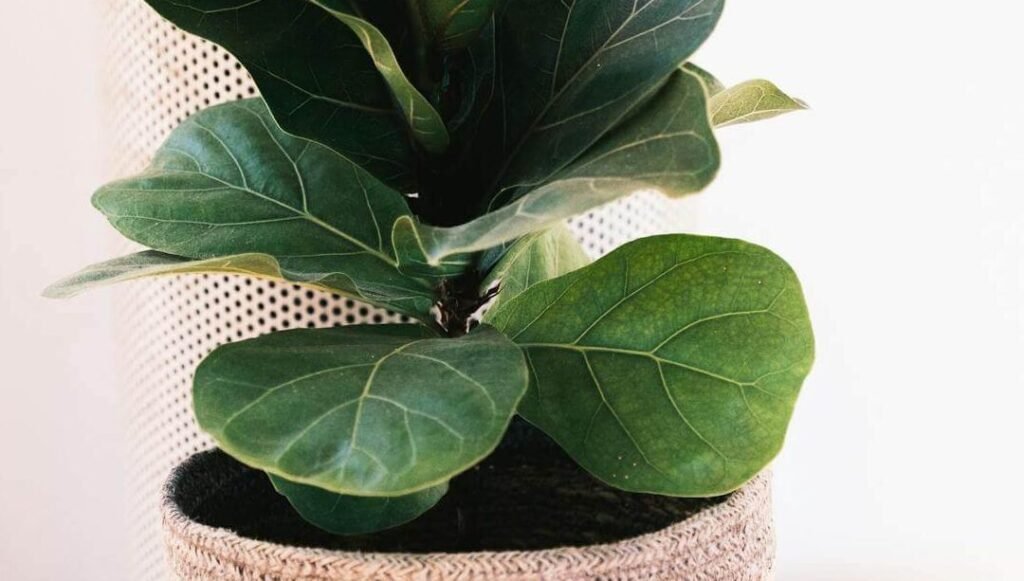
Ficus Lyrata
Ficus Lyrata Table of Contents Add a header to begin generating the table of contents…

Aglaonema
Chinese Evergreen Plant Aglaonema Cintho King Table of Contents Add a header to begin generating…
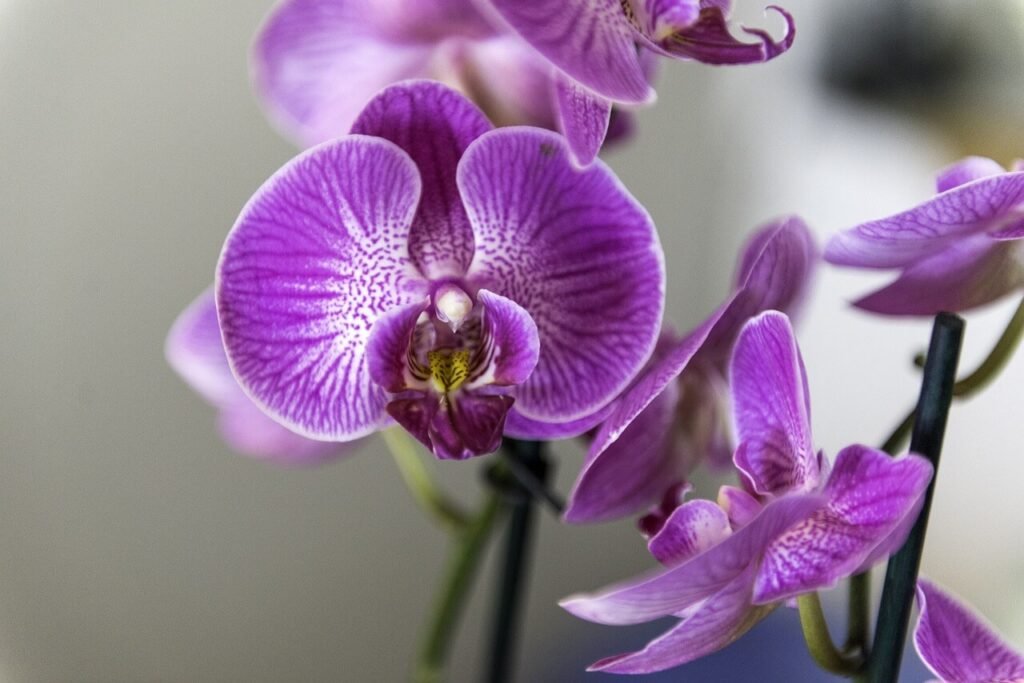
Orchid
Orchid Table of Contents Add a header to begin generating the table of contents Scroll…
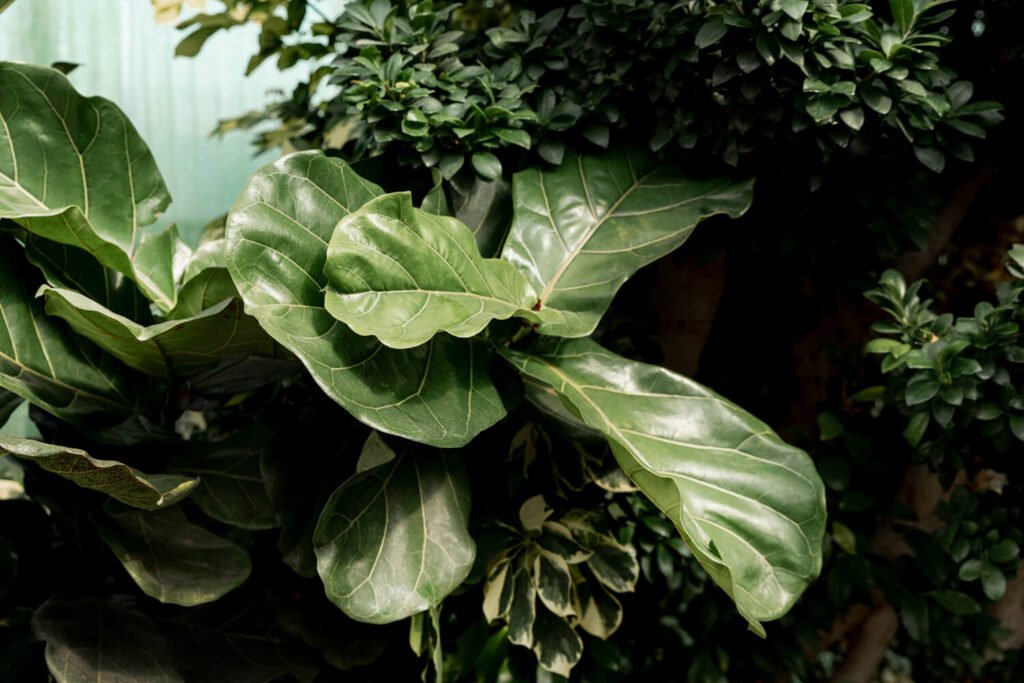
Fiddle Fig Tree
Large Fiddle Leaf Fig Tree Table of Contents Add a header to begin generating the…
Winter Plant’s Tips
Caring For Houseplants in Winter Table of Contents Add a header to begin generating the…
Causes Of Yellow Leaves
Causes For Your Plant’s Yellow Leaves Table of Contents Add a header to begin generating…
Monstera
MONSTERA Table of Contents Add a header to begin generating the table of contents Scroll…
ZZ Black Plant
ZZ Black Plant Table of Contents Add a header to begin generating the table of…
Rubber Indoor Plant
Rubber indoor plant Table of Contents Add a header to begin generating the table of…

Large Cast Iron Plant
Large Cast Iron Plant Table of Contents Add a header to begin generating the table…
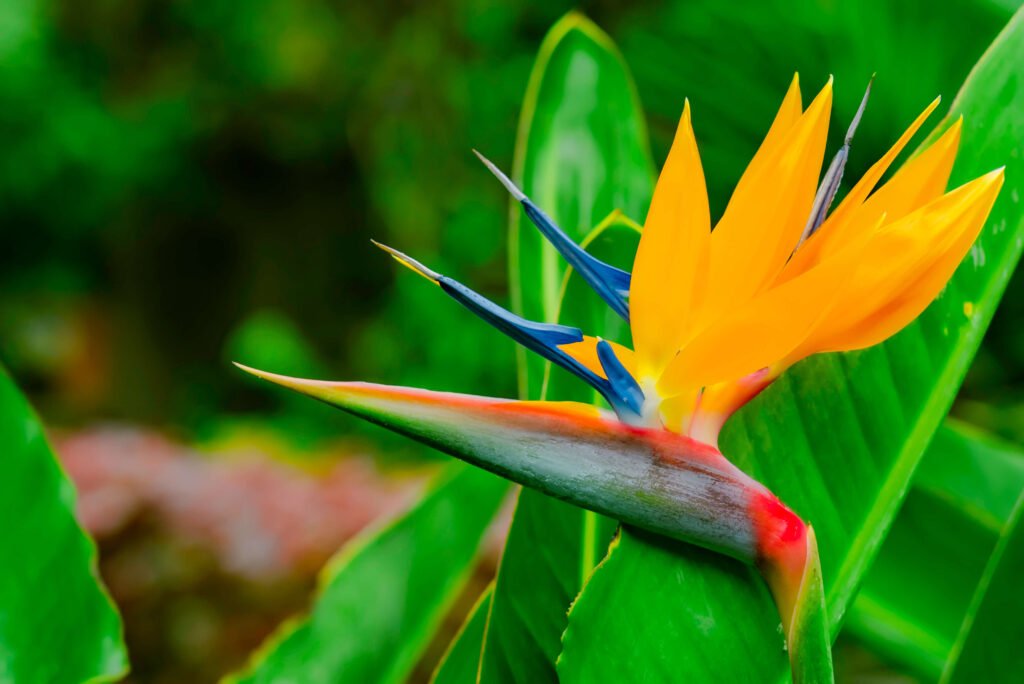
MUSA TROPICANA
Musa Tropicana/ Banana Tree Planting And Care Table of Contents Add a header to begin…
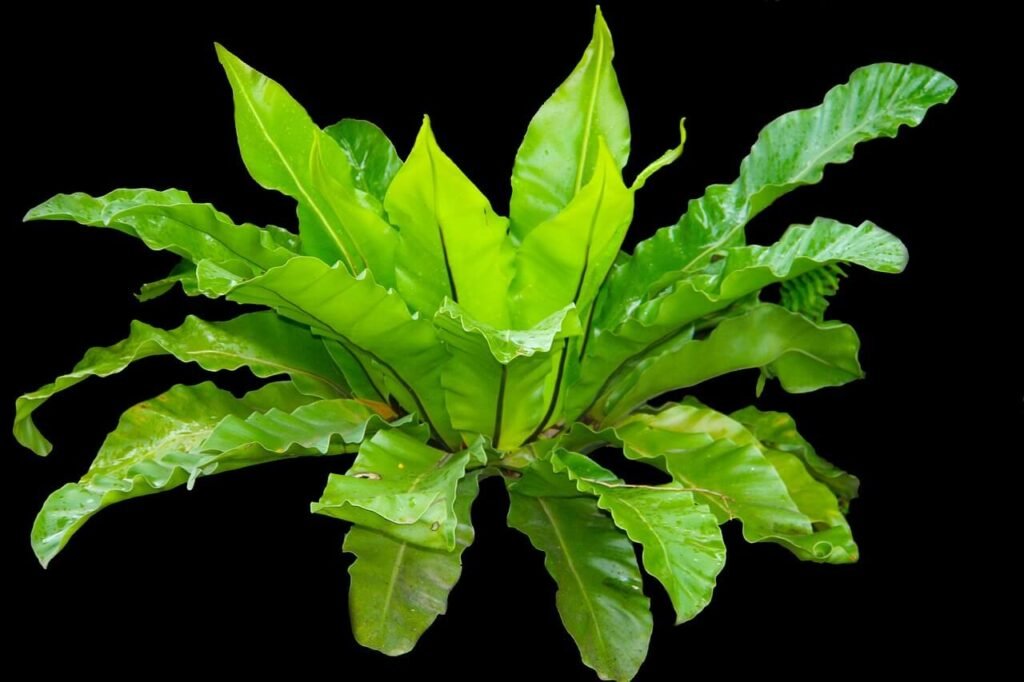
BIRD’S NEST FERN
Bird’s Nest Fern Table of Contents Add a header to begin generating the table of…

FAN PALM
FAN PALM Table of Contents Add a header to begin generating the table of contents…
RED PALM PLANT
Renda or Alba Red palmfast-growing tropical plant native to Southeast Asia. its beautiful bright red…
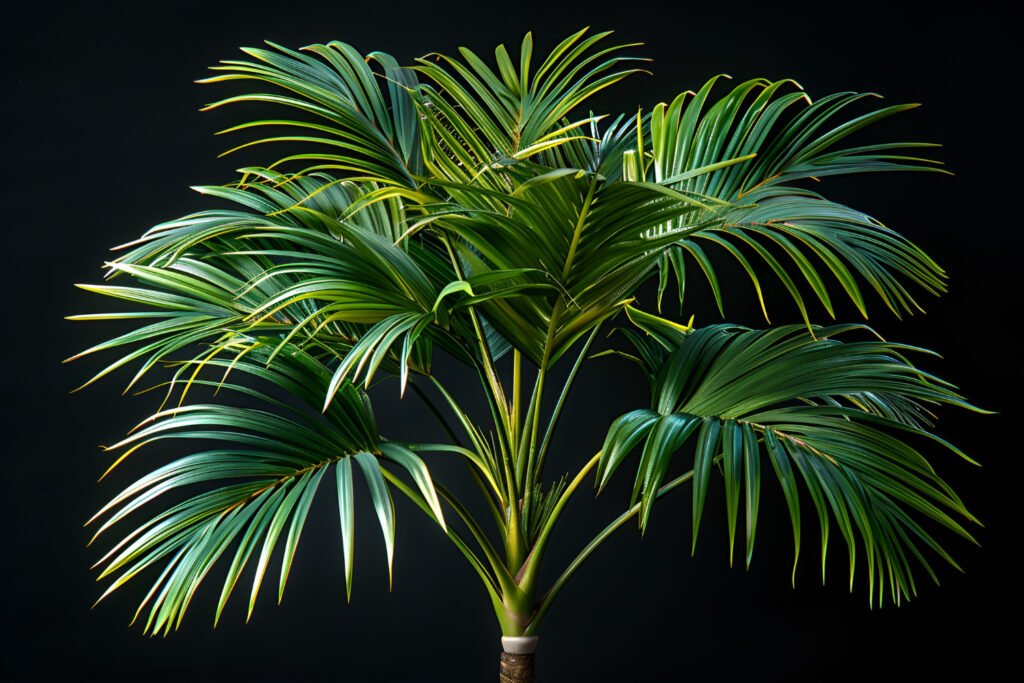
Areca Palm Plant
Areca Palm Plant Table of Contents Add a header to begin generating the table of…

CULINARY HERBS
CULINARY HERBS Idea For culinary garden Do you like cooking? I do like but not…
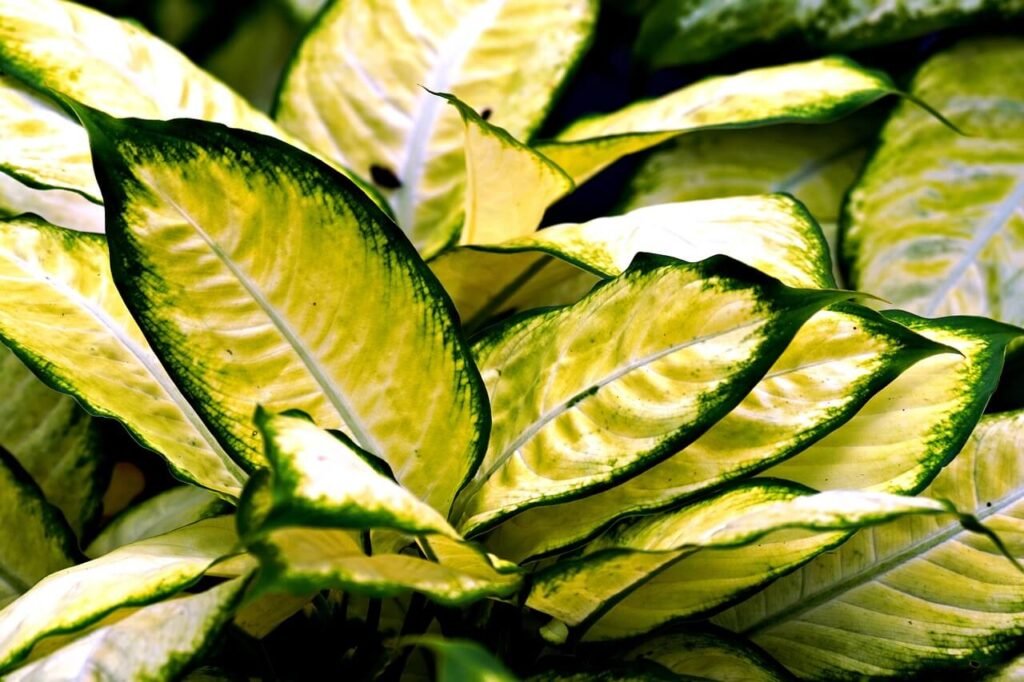
Dieffenbachia
Dieffenbachia Reflector In the little dark area of my indoors such as the side of…
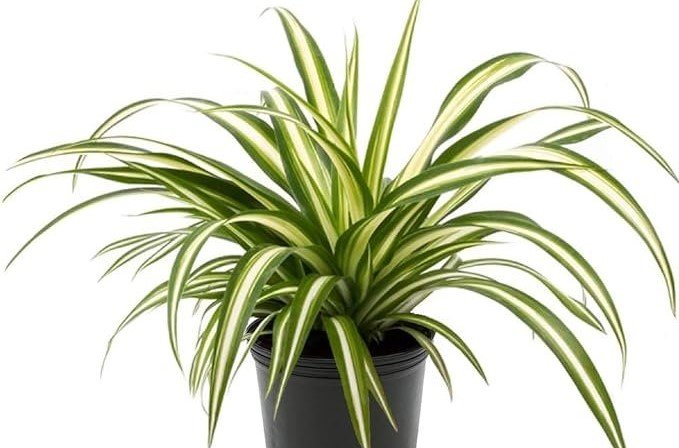
SPIDER PLANT
SPIDER PLANT Table of Contents Add a header to begin generating the table of contents…

ALO VERA
ALOVERA Table of Contents Add a header to begin generating the table of contents Scroll…

LUCKY BAMBOO
LUCKY BAMBOO Table of Contents Add a header to begin generating the table of contents…
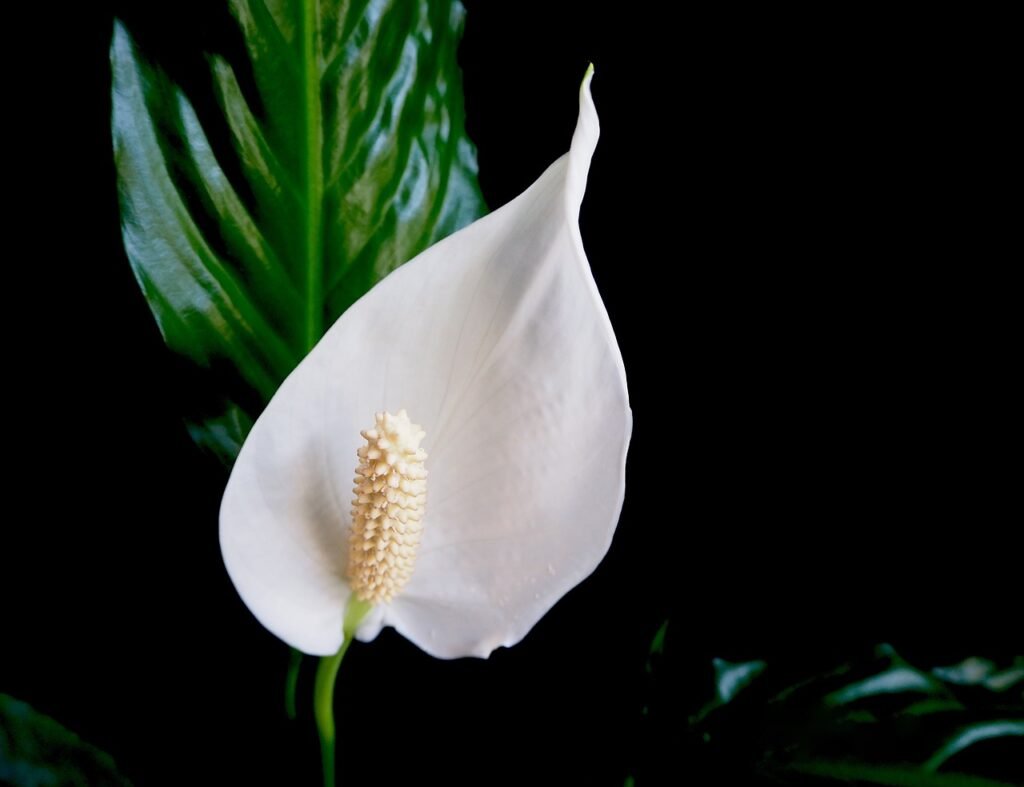
peace lily
Collection of my peace lily description of peace lily near about 17/18 days ago I…
Mint Leaves
Mint Leaves Table of Contents Add a header to begin generating the table of contents…
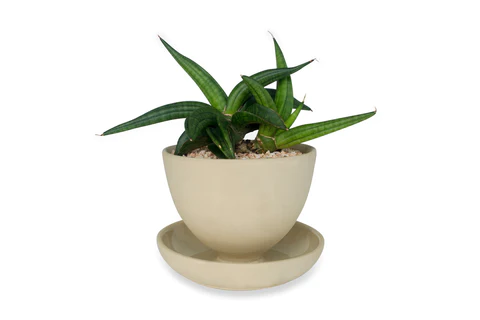
Snake Plants
Snake Plant Table of Contents Add a header to begin generating the table of contents…
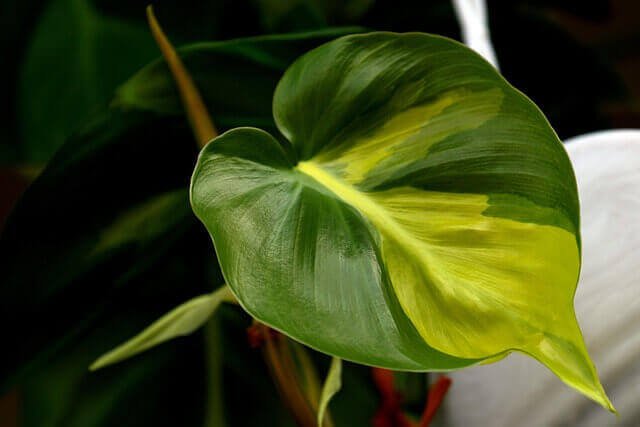
Philodendron Hederaceum
Philodendron Lemon Leaves Table of Contents Add a header to begin generating the table of…
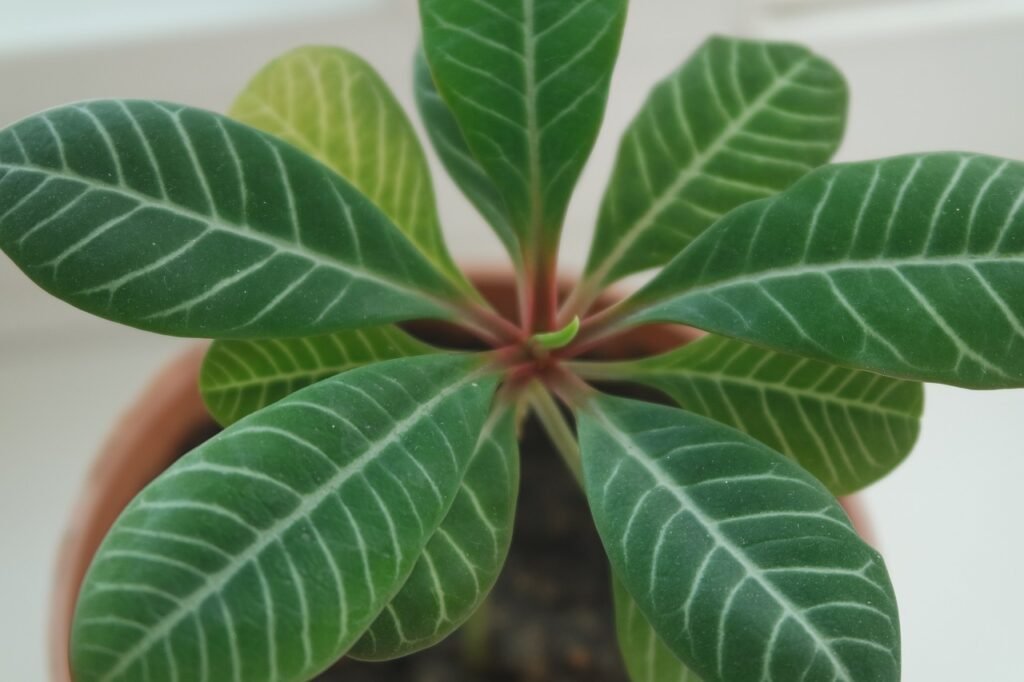
Money Trees
Money Tree Table of Contents Add a header to begin generating the table of contents…

Philodendron Heart Leaf
Thriving for Years: How to Keep Your Heart-Leaf Philodendron Growing Strong and Beautiful Table of…
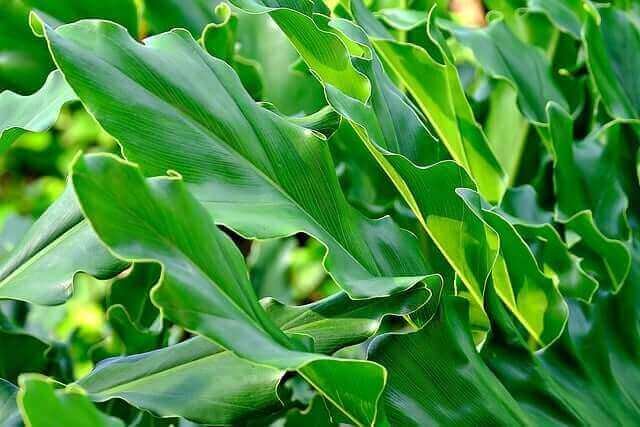
YARD OF VIRIDITY
The Yard Of Viridity Table of Contents Add a header to begin generating the table…

BLOG
Indoor Herb Gardening Tips For Beginners plants’ problemsLet’s identify Pest IdentificationIdentify bug Disease DiagnosisSave Your…
ABOUT
About Us Hi..! I am Taslima an experienced indoor gardener. I feel passionate about gardening….
HOME
Awaken to a life of green and growth, and enrich your morning routine. Let’s begin…

I am an experienced indoor gardener working happily
and successfully in this sector for about five years.
Thank You
Leave a Reply