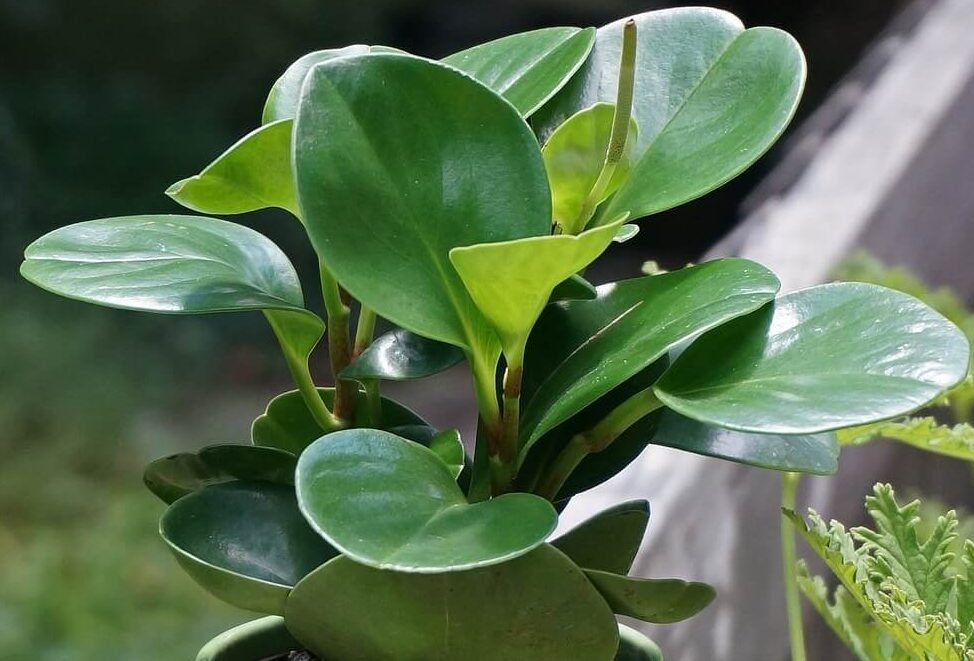


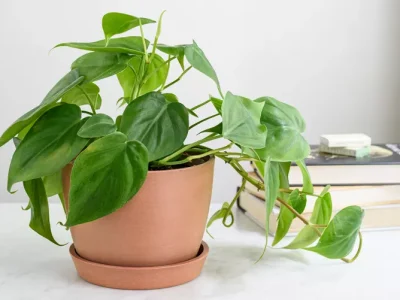
Elevate your indoor plant collection with the timeless beauty of the “Heart Leaf” Philodendron Cordatum. This cherished houseplant, also known as the sweetheart vine, is a true classic that brings nature’s elegance right into your home.
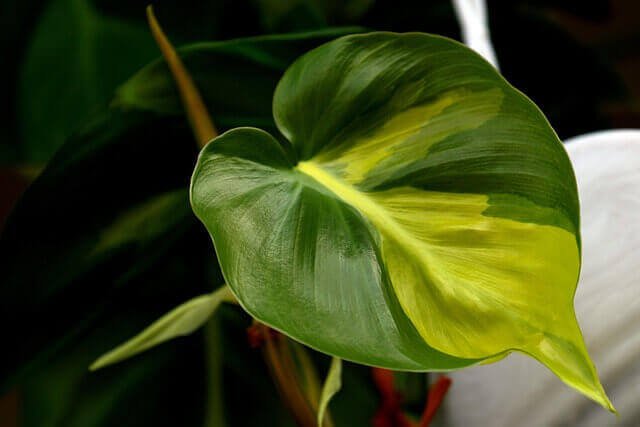
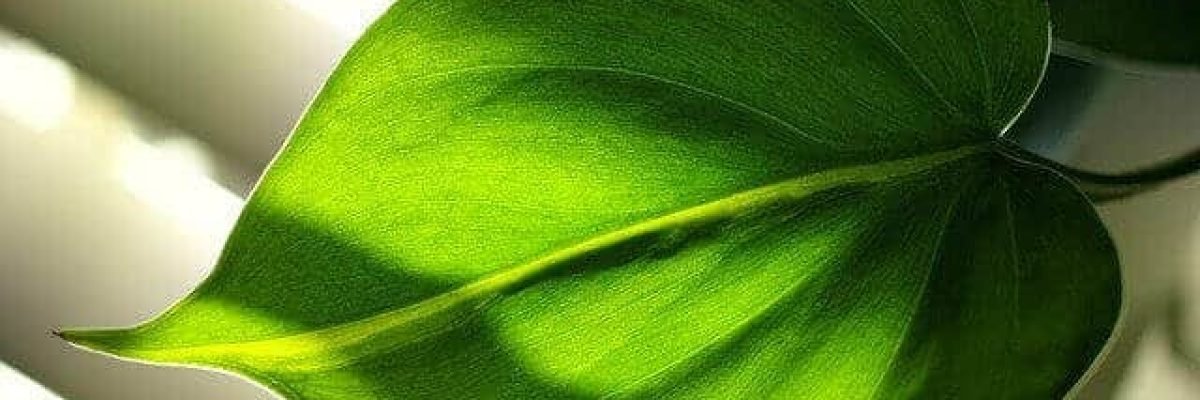
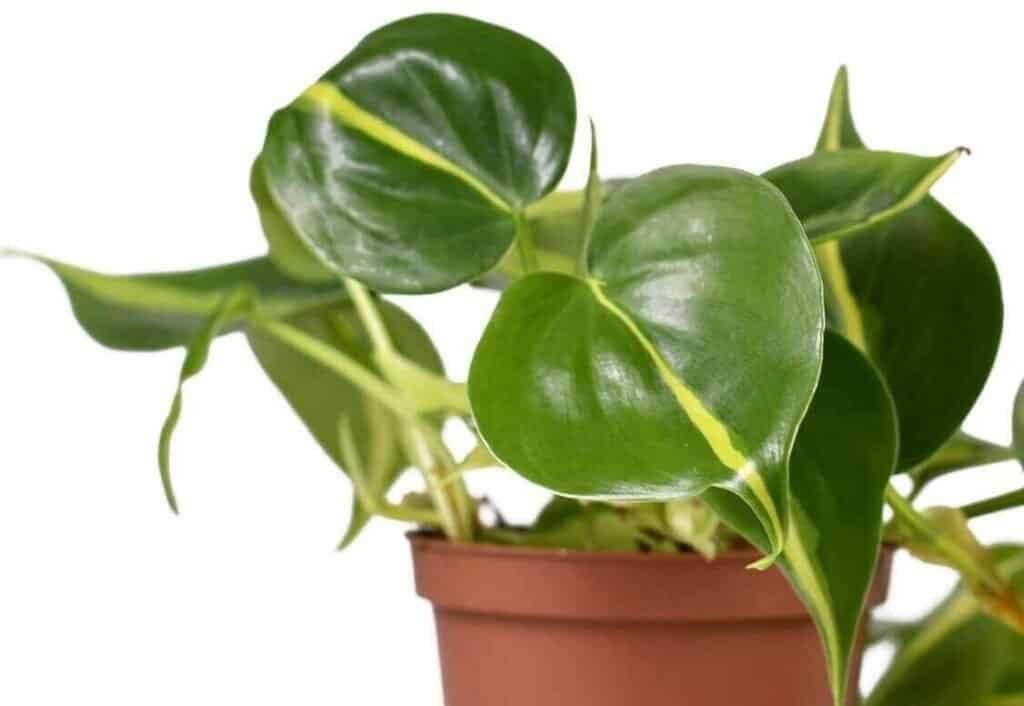
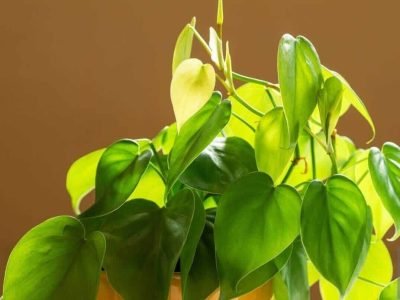
Heart-Shaped Leaves The Philodendron Cordatum gets its common name from its charming heart-shaped leaves, which dangle delicately from trailing vines. Each leaf is a testament to nature’s artistry, creating a captivating display of verdant affection.
It’s a Low-Maintenance hub. Whether you’re a seasoned plant enthusiast or just starting your green journey, this philodendron is a delightful choice. It thrives in various lighting conditions, making it suitable for homes, offices, or any space in need of a touch of green.
This is an Air-Purifying Powerhouse. Beyond its aesthetic appeal, the “Heart Leaf” Philodendron Cordatum is a natural air purifier. It excels at removing common indoor pollutants, helping to create a cleaner and healthier living environment.
Versatile Decor Addition, With its elegant trailing vines, this plant can be creatively incorporated into your decor. Hang it in a macramé planter, place it on a shelf, or let it cascade gracefully from a decorative pot—your options are endless.
Symbol of Love and Connection, these heart-shaped leaves symbolize love and emotional connection, making it an ideal gift for loved ones or a meaningful addition to your space.
Experience the Green Heartbeat:
Invite the “Heart Leaf” Philodendron Cordatum into your life and discover the soothing presence of nature’s elegance. Whether you’re nurturing your plant collection or seeking a thoughtful gift, this plant is a testament to the enduring beauty of the natural world.
With its heartwarming leaves and effortless care requirements, the “Heart Leaf” Philodendron Cordatum is ready to become a beloved part of your home. Embrace the tranquillity and beauty it brings, and order yours today to experience the magic of greenery at its best.
heart leaf philodendron looks beautiful cascading out of a container over the edges of a bookshelf or draping gracefully from a hanging pot. You also can train its growth vertically on a trellis or moss pole, though you need to give it a little help getting started by attaching it loosely with jute twine.
Heart leaf philodendron even tolerates some neglect, which is ideal if you’re a new plant parent or, ahem, a tiny bit forgetful about watering. The only care it requires is an occasional trim when stems become too long and scraggly looking. Just snip off a piece here and there to help me.
Heart leaf philodendron even tolerates some neglect, which is ideal if you’re a new plant parent or, ahem, a tiny bit forgetful about watering. The only care it requires is an occasional trim when stems become too long and scraggly looking. Just snip off a piece here and there to help it maintain its bushy shape and stimulate new growth.
Heart leaf philodendron even tolerates some neglect, which is ideal if you’re a new plant parent or, ahem, a tiny bit forgetful about watering. The only care it requires is an occasional trim when stems become too long and scraggly looking. Just snip off a piece here and there to help it maintain its bushy shape and stimulate new growth.
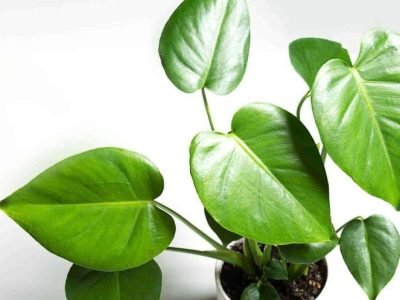
Often confused for pothos (Epipremnum aureum), heart leaf philodendron’s leaves are thinner and less waxy. Pothos leaves also don’t curve in quite as much as heart leaf philodendron.
Here’s what else you need to know about how to care for a heart-leaf philodendron plant.
Like many tropical plants, heart leaf philodendron prefers to dry out a little between waterings. Poke your finger in the soil; if soil clings to your finger, it’s too soon to water. Wait a few more days and check again. It’s time to water when the top inch or so of soil feels dry to the touch. Overwatering is a sure way to kill this plant, so err on the side of too dry heart leaf philodendron prefers bright, indirect light. It doesn’t like direct sunlight, which will scorch its leaves. A spot in a window that faces east, west, or south is ideal for it.
rather than too wet.
Heart leaf philodendron prefers bright, indirect light. It doesn’t like direct sunlight, which will scorch its leaves. A spot in a window that faces east, west, or south is ideal for it.
Heart leaf can do okay in lower light levels, but it won’t look its best and tends to become a little gangly. If you don’t have a good location near a window, consider using a grow light.
It’s not entirely necessary. After all, plants do make their food through photosynthesis. But you can give your heart leaf a little boost by feeding it once or twice a year with a liquid fertilizer. Spring and summer are the best times to do so.
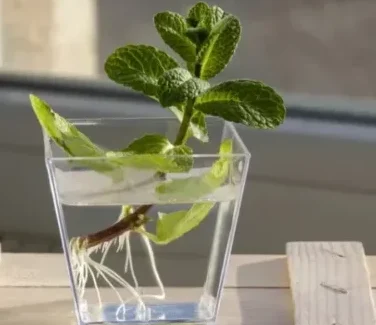
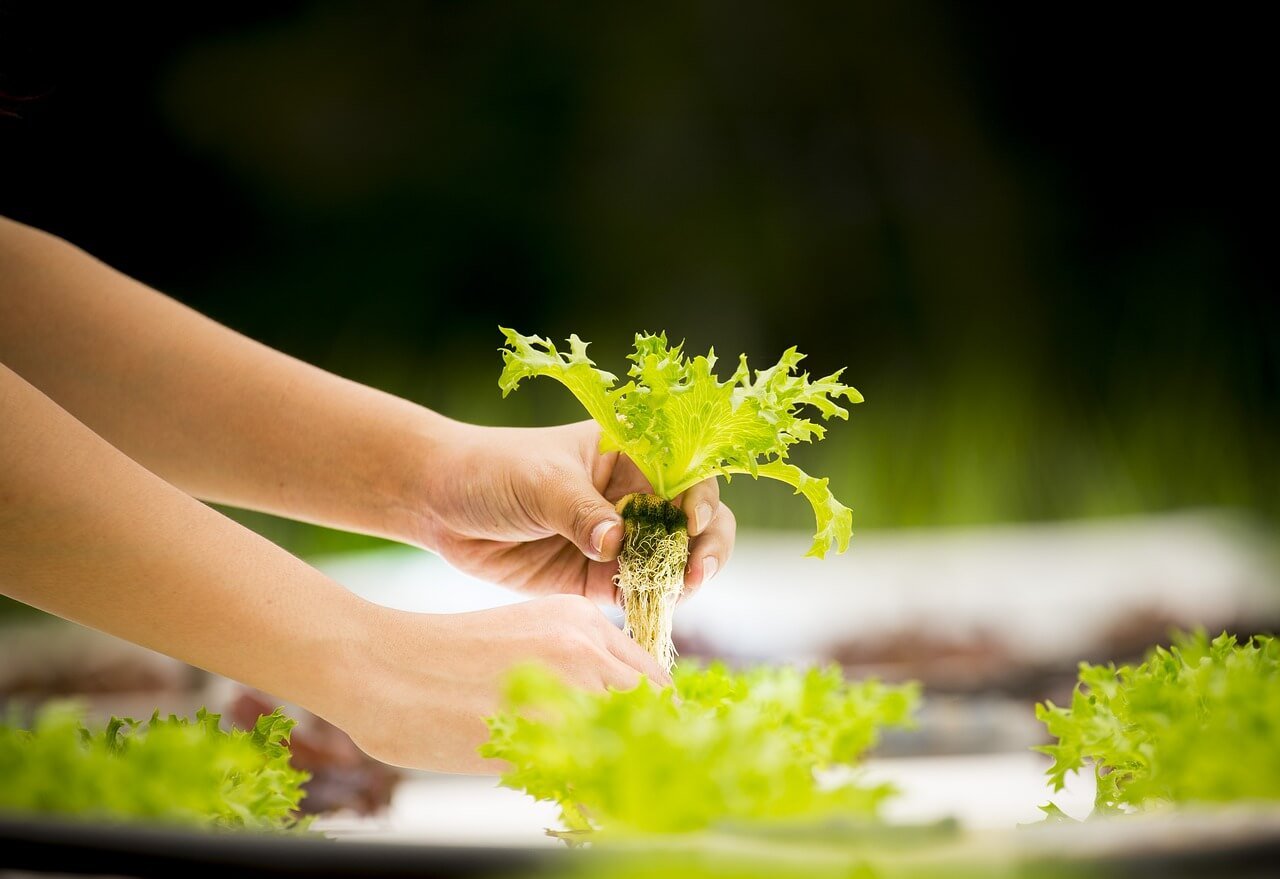
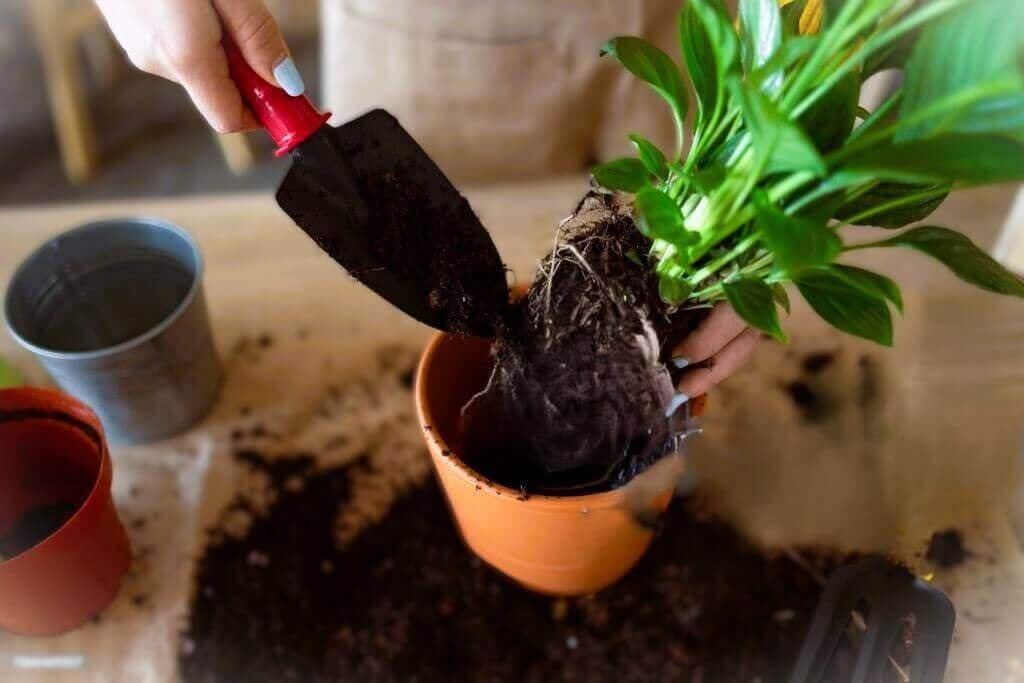
it’s so easy! To propagate your heart leaf philodendron, cut off a piece that’s a few inches long, making sure it has some nodes (those nubby brown things) on the stem. Submerge the cutting with nodes in a glass of water, and keep it in bright, indirect light. It should sprout baby roots in a few weeks; after that, you can transplant it to a pot with potting soil. This is a great way to use the pieces you trim off to maintain their shape.
Like all philodendron plants, heart-leaf philodendron plants are toxic to pets, according to the ASPCA. These plants contain calcium oxalates, which can cause oral pain, swelling of the lips, drooling, and vomiting if ingested. If your pet has chowed down on this plant—even if you’re not sure—call your vet right away. It’s always better to be safe than sorry. Choose a pet-friendly houseplant instead.
About Author

I am an experienced indoor gardener working happily
and successfully in this sector for about five years.
Thank You