

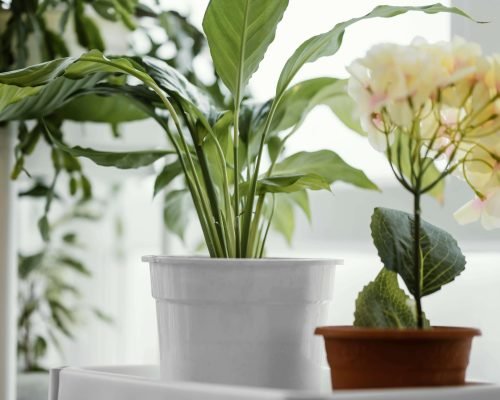

Cast Iron Plant:
The Survivor
of the
Plant World
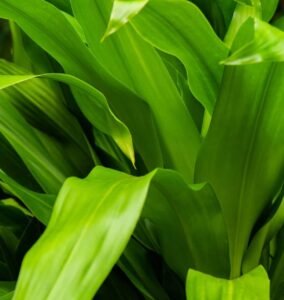
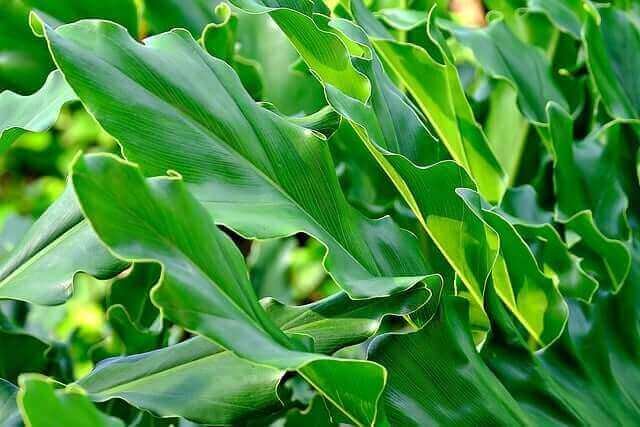
The Cast Iron Plant (Aspidistra elatior) earned its dramatic nickname for one simple reason: it refuses to die. Native to the forest floors of East and Southeast Asia, this evergreen perennial has evolved under thick tree canopies where sunlight barely reaches. Instead of complaining, it adapted — growing slowly, conserving energy, and developing thick, leathery leaves that survive tough conditions.
Botanically, it belongs to the Asparagaceae family, sharing distant relations with agaves, yuccas, and the lucky bamboo group. This explains its durability and ability to handle long periods of dryness. The Cast Iron Plant also has one of the slowest growth rates in the houseplant world, making it ideal for people who forget to water, prune, or repot.
Unlike many decorative plants, Aspidistra elatior produces tiny, uniquely odd flowers right at the soil level. They’re not showy, and most people never see them — but botanists love them because these blooms are pollinated by ground-dwelling insects like fungus gnats. It’s a plant full of quirky surprises.
As a lucky plant
It offers strength and endurance and performs well in low-light conditions. It is known that keeping this plant in the house gives positivity in terms of strength to the people living in the house. So, as an indoor plant, you can put this in your house. Cast iron plants are great air purifiers. Low-light plant.
Identify:
Iron is found in plants. It is true that inside the Iron plant has Iron. This is found in iron-containing proteins. An example is the cytochromes that are found in the electron transfer system in chloroplasts and mitochondria. Iron is also associated with certain non-heme proteins such as ferredoxin.
Testing example
A water or hydrostatic test is the most common and widely accepted method for inspecting a completed cast-iron soil pipe installation. Charlotte Pipe and Foundry strongly recommends using water to test its cast iron pipe and fittings.
Natural Habitat
&
Growth Behavior
Shade-Lovers
Superpower
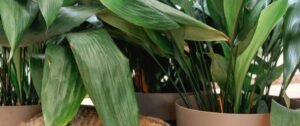
To understand why the Cast Iron Plant thrives indoors, you only need to imagine a dim, damp forest floor. In these low-light environments, plants must develop extremely strong strategies to survive. The Cast Iron Plant does this through:
Ultra Slow Growth
Growing slowly means less need for sunlight, nutrients, and water. It’s nature’s “energy saver” mode.
Thick, Waxy Leaves
These help reduce water loss and protect the plant from fungal issues.
Dense Rhizome
Networks
Instead of relying on a central root system, the plant spreads underground through tough rhizomes that store energy. Even if the leaves die back, the rhizomes often survive and regrow.
Shade Adaptation
It can survive in places other houseplants would panic windowless rooms, corners behind furniture, or offices with fluorescent lights.
This fascinating resilience explains why Aspidistra became a cultural icon in Victorian homes, surviving smoke-filled rooms, coal pollution, and near-zero daylight.
Growing Conditions:
Why It’s the Easiest
Houseplant Ever
The Cast Iron Plant isn’t picky. It thrives with:
Low to medium light
Infrequent watering
Neglect
Temperature fluctuations
Poor soil
Here’s your botanist-approved cheat sheet:
Light: Indirect low light or shade
Water: Let the soil dry halfway before watering
Soil: Loose, well-draining potting mix. In soils with a very high pH, the most effective chelated iron will be that produced with Ethylenediamine di (o-hydroxyphenylacetic acid) (EDDHA). This results in the highest strength of chelated iron, which will be able to correct iron deficiency problems in plants growing in soils pH of 9.0 and higher.
Humidity: Normal room humidity is perfect
Temp: 7–29°C (45–85°F)
Fertilizer: Very light feeding once a month in the growing season
- Non-Toxic: And yes, it’s pet-safe! the cast iron plant stands out as a paragon of safety in houseplants. Scientific studies consistently affirm its non-toxicity to humans. This hardy species, with its leathery leaves, has been given a clean bill of health, making it a worry-free addition to any indoor space.
Historical Journey
From
Victorian Parlors
to Modern
Minimalist Homes
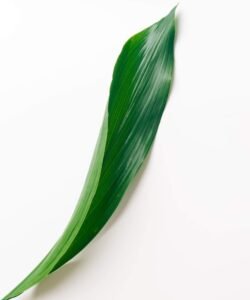
The Cast Iron Plant has one of the most interesting cultural histories of any indoor plant. Its popularity dates back to 19th-century Europe, particularly Victorian England, when households were filled with coal soot, fireplaces, tobacco smoke, and low natural light. Most houseplants died quickly — but the Cast Iron Plant didn’t even blink.
Victorian Era Fame
During the Victorian period, interior décor leaned heavily toward dark, heavy drapery that blocked light. Aspidistra elatior became the hero plant: easy to grow, tolerant of poor air quality, and practically impossible to kill. It was a symbol of stability and middle-class respectability. Homes proudly featured them in hallways, parlors, and sitting rooms.
A Cultural Symbol
in Literature
The plant became so iconic that it appeared in poems, household manuals, and even political satire. George Orwell referenced the plant in his novel Keep the Aspidistra Flying as a critique of boring middle-class life — the plant was a symbol of stubborn survival and conformity.
Early Global Spread
Originally native to China and Japan, the Cast Iron Plant was exported by plant hunters, adventurous botanists who traveled the world collecting rare flora. Its ability to survive long voyages without special care made it a favorite during the 1800s plant-trade expansions.
Role in Japanese
Tradition
In Japan, Aspidistra is known as “Haran” or “Barrenwort.” It has been used for centuries in Ikebana (traditional flower arranging) to provide structural greenery. Additionally, the leaves were used to wrap food due to their durability and natural antibacterial properties.
20th Century
to Today
After peaking in popularity in the late 1800s, the plant dipped in trendiness but resurged in the 2000s with the minimalist interior design movement. Today, it remains a favorite:
For offices
For low-light homes
For beginner plant parents
For people who want zero-stress greenery
The Cast Iron Plant has outlived trends, furniture styles, and entire design eras, proving its reputation as the ultimate survivor.
Rare &
Uncommon Facts
About the Cast
Iron Plant:
Things that
Most Blogs
Don’t Tell You
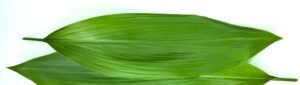
It can live 50–100 years with minimal care.
Its flowers bloom underground-level, protected from predators.
It can tolerate more drought than most succulents.
It’s used in traditional Japanese restaurants to decorate food.
Some Aspidistra species survive temperatures as low as –5°C (23°F).
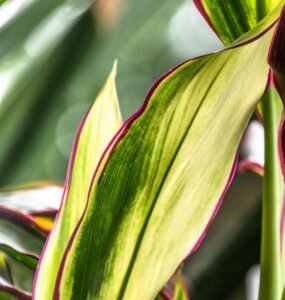
New cultivars include striped, variegated, and spotted leaves.
Propagation
Slow But Steady
Rhizome Magic
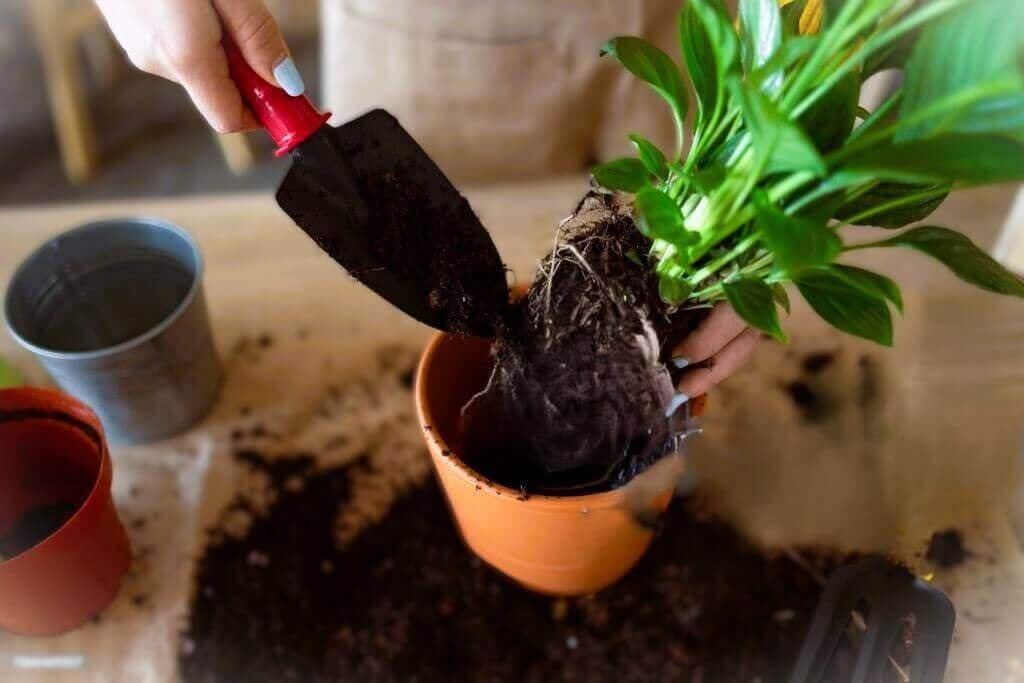
Propagation is simple: divide the rhizomes. Each division needs at least 2–3 leaves to survive. The plant grows slowly, so propagation is best done every 3–5 years.
Common Problems
&
How to Fix Them
(Luckily, There
Aren’t Many!)
Leaf Tips Turning Brown: Usually underwatering or dry air
Faded Leaves: Too much direct sunlight
Yellowing: Overwatering
This plant is basically a green tank — problems are rare.
Varieties You
Should Know
(Collectors Love
These!)
Aspidistra elatior ‘Variegata’ – striped leaves
‘Milky Way’ – speckled like stars
‘Asahi’ – frosty white tips
‘Lennon’s Song’ – bright yellow stripes
Research-Based
Potential Medicinal
Uses
(Informational
Only No
Instructions)
While Aspidistra elatior is not widely used in modern mainstream herbal medicine, scientific studies have explored potential medicinal compounds within the plant. These findings are early-stage and for informational purposes only, not medical advice.
1. Antimicrobial Potential
Research suggests certain compounds in Aspidistra leaves may show activity against bacteria and fungi. These properties align with its traditional use in Japan for wrapping food to keep it fresh.
2. Antioxidant Activity
Preliminary studies show the plant may contain antioxidant molecules that help neutralize free radicals. Many shade-adapted plants develop such compounds to protect cellular structures.
3. Anti-inflammatory Indicators
Some laboratory analyses suggest plant extracts may influence inflammation pathways — though this remains experimental and not validated for medical use.
4. Liver-Related Studies
Early research in related Aspidistra species indicates potential hepatoprotective (liver-supporting) effects, but these are not clinically proven for humans.
5. Traditional Uses (Folklore)
Historically, parts of the plant were used in East Asian folk practices for:
Cooling the body
Minor digestive discomfort
General vitality tonics
Again, these are cultural observations, not medical recommendations.
Final Thoughts
The Cast Iron
Plant Is the
Hero of Low
Maintenance
Living
Whether you’re a beginner, a busy person, or someone who has killed every houseplant ever, the Cast Iron Plant is your green soulmate. It’s tough, elegant, and scientifically fascinating — a plant with history, personality, and surprising potential.















About Author

I am an experienced indoor gardener working happily
and successfully in this sector for about five years.
Thank You