

How to Identify Healthy vs Unhealthy Plants When Buying
So you’re at the plant shop, eyes shining, heart racing, wallet trembling like a new leaf in winter wind.
But WAIT before you adopt a leafy diva with emotional baggage… let’s learn how to spot plant health like a pro. This guide gives you 12 real plant examples plus pest detection tricks, leaf clues, root checks, and soil diagnostics — so you only bring home thriving, happy green babies
Plant Inspection Checklist
| Leaves | Firm, shiny, upright | Yellow, mushy, dusty, holes, sticky residue |
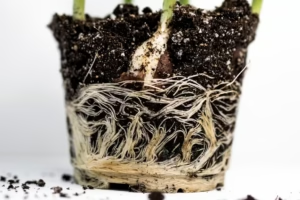
| Roots | Cream/white, firm | Dark, mushy, circling root-bound |
| Soil | Moist but not soggy | Mold, fungus gnats, smelly soil |
| Stems | Thick & sturdy | Black spots, softness |
| Pot | Drainage holes | Algae coating, cracks |
| Pests | Under leaves & soil line | Webs, white dots, sticky sap |
Pro Buying Tips
- Ask seller about watering schedule ✅
- Gently shake leaf — weak stems = weak health ✅
- Peek under leaves for pests ✅
- Touch soil (never trust just your eyes) ✅
- Check drainage holes for roots & bugs ✅


- Deep green, shiny, thick leaves
- Strong stalks, no drooping
- New leaf “swiss cheese” holes forming
Unhealthy Signs
- Yellow leaves + wet soil = root rot risk ⚠️
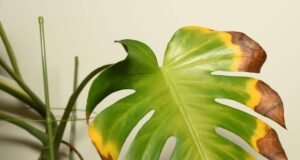
- Brown crispy edges = dry or sunburn
- White fuzz = mealybugs
Pro Tip: Avoid Monsteras with floppy stems — they’re weak & stressed.
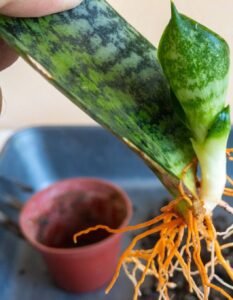
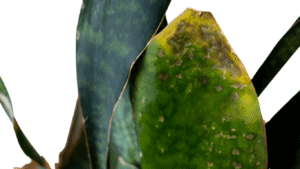
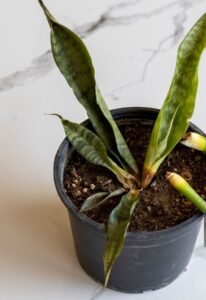
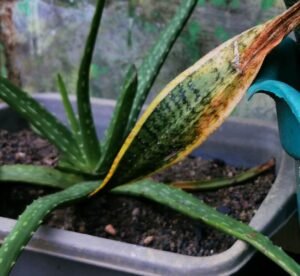
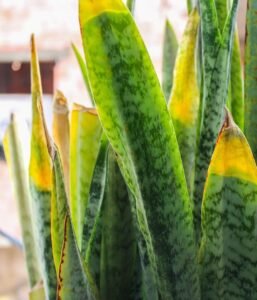
- Upright firm leaves
- Bright variegation
Unhealthy
- Mushy base = rot
- Leaves bending = weak roots
- Pro Tip: If it jiggles in soil like jelly? Nope. Walk away.
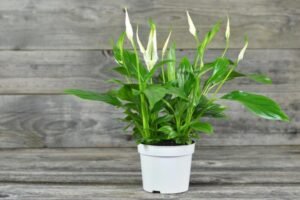

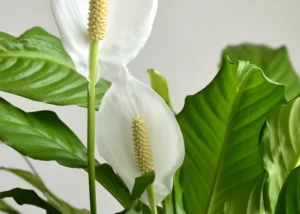


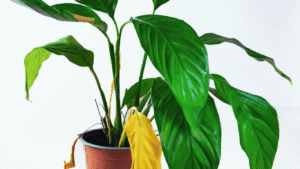
- Glossy leaves, standing tall
- Moist soil, not soaked
Unhealthy
- Constant droop = chronic stress
- Brown tips + bone-dry soil
- Water Test: Touch soil — peace lilies HATE neglect.
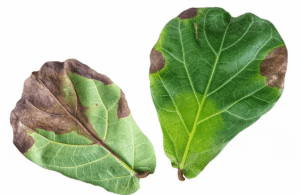
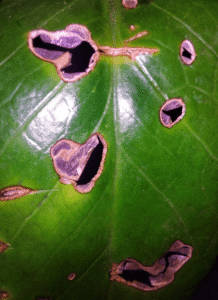
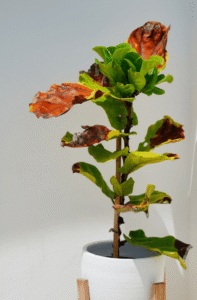
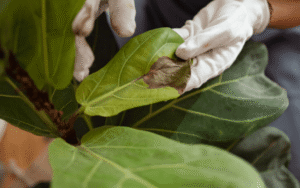
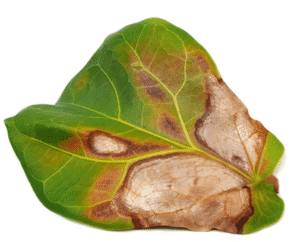
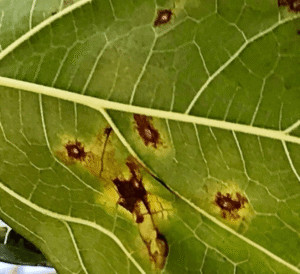
- Thick upright leaves
- Smooth veins
Unhealthy
- Tan spots = fungus
- Wobbly trunk = root problem
- Stand Test: Gentle wiggle — if unstable, don’t buy.
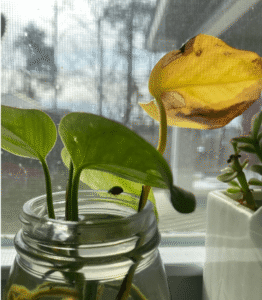
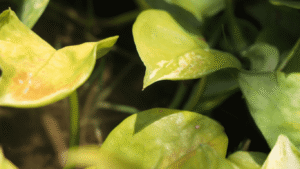
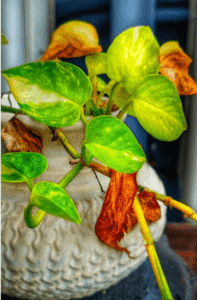
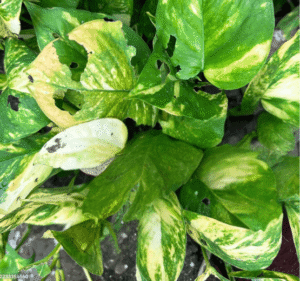


- Bright variegation
- New tendrils growing
Unhealthy
- Pale leaves = low light history
- Sticky film = pests
- Secret Check: Look inside trailing vines for spider mites

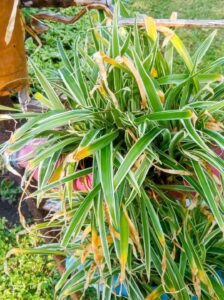

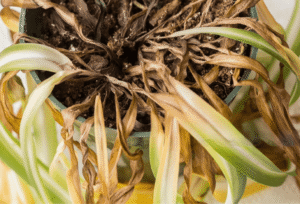
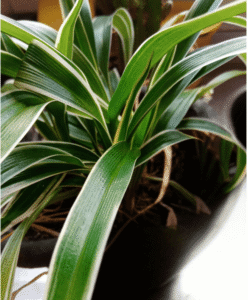
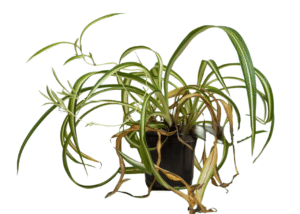
- Full arching leaves
- Baby “spiders” attached
Unhealthy
- Tip burn everywhere = stress
- Root Peek: Slightly lift plant — thick white roots? Good!

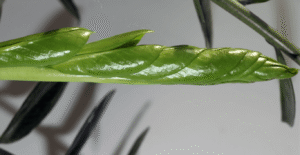
- Full arching leaves
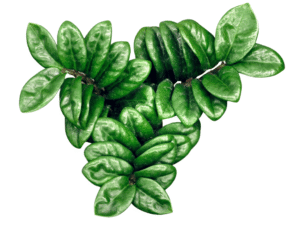
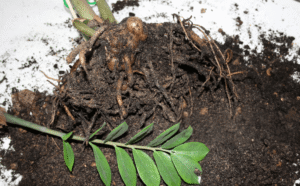
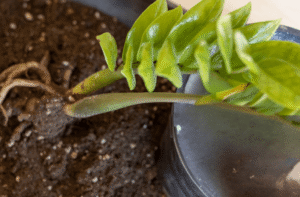
- Plump stems, glossy leaves
Unhealthy
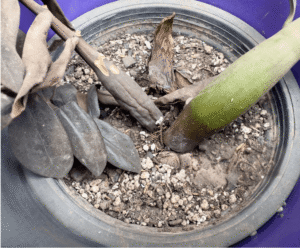
- Wrinkled stems = dehydration
- Mushy base = fatal rot
- Weight Trick: Healthy ZZ pots feel heavy (rhizomes inside).


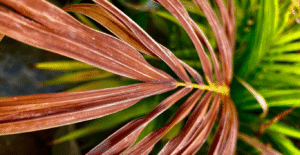
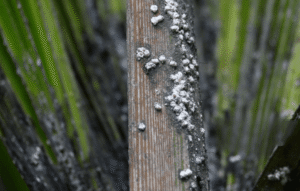
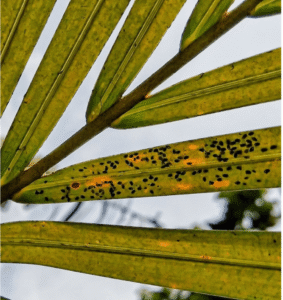
- Feathery bright fronds
- Lush stems and shiny leaves
Unhealthy
- Brown streaks = humidity stress
- Speckles = mites
- Frond Shake Test: If dust or bugs fall, go back
9. Rubber Plant




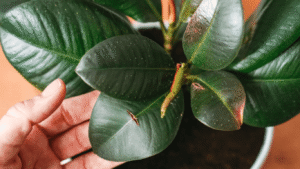
Healthy Signs
- Firm leaves, upright stems
- shiny leaves
Unhealthy
- Sticky honeydew = scale insects
- Leaf Swipe: If sticky, skip it.
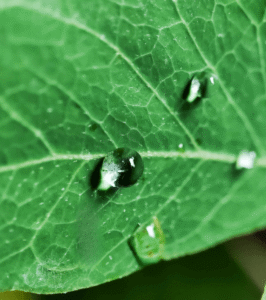
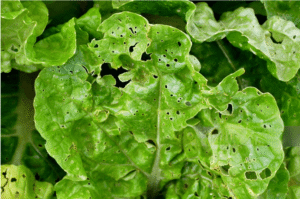


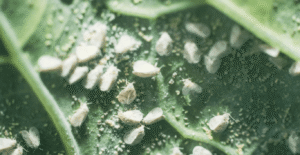
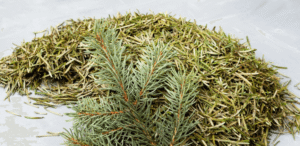
- Bushy, fragrant, bright leaves
- shiny leaves
Unhealthy
- Wilty + fungus gnats = avoid
- Sniff Test: Weak smell = poor health.
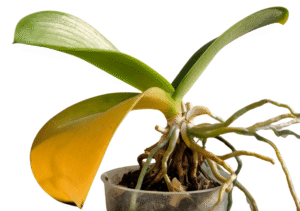
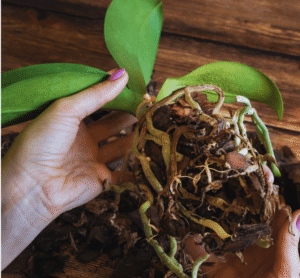

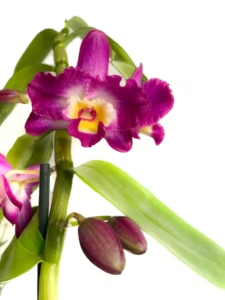
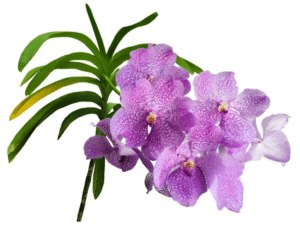

- Firm green roots, thick leaves
- Fresh blooms + new buds
- Wrinkled leaves = dehydrated
- Brown roots = rot
- Root Rule: Healthy orchid roots look like green noodles
FAQ
Should I repot right after buying?
No. Wait 2 weeks, let it acclimate first.
Does a yellow leaf indicate a bad plant?
Not always, one leaf yellow is normal if Many leaves are yellow, which may cause overwatering, stress, or pests.
Can I rescue a sick plant?
Yes, you must take care of them and keep them separate from other healthy plants, but buy only if you’re intentionally rescuing; that’s what you are, a perfect plant parent.
How can I tell if a plant was grown indoors or outdoors before sale?
Check the leaf texture. Indoor-grown plants have softer, thinner leaves; outdoor ones are thicker and tougher. Indoor plants also adapt more slowly to light changes, so sudden sun exposure may scorch them.
What’s the safest way to check roots in a store without damaging the plant?
Gently press the pot sides to loosen soil, then tilt slightly peek near the drainage holes for color and moisture. Healthy roots look cream or white and smell earthy, not sour or swampy.
Should I avoid plants that are flowering or fruiting at the nursery?
Usually, yes, flowering or fruiting plants use energy for blooms, not root growth. Unless you want flowers immediately, pick plants with buds forming, not full bloom.
How do I know if the soil used by the seller is good quality?
Smell it! Healthy potting soil smells fresh and earthy. Sour, rotten, or moldy smells mean poor aeration or rot. Also, look for chunky mix (perlite, bark), not compact clay.
What’s a “root-bound” plant, and should I avoid it?
Root-bound means the roots circle the pot tightly, choking themselves. Avoid it unless you plan to repot immediately, as it causes poor nutrient absorption and slow growth.
How can I tell if a plant has been overfertilized?
White crusts on the soil or pot edges are salt build-up classic of overfertilization. Also watch for burned leaf tips or brittle new growth.
How do I check if a plant has hidden pests?
Bring a magnifier or use your phone camera. Check under leaves, in leaf joints, and along stems. Look for tiny white dots, webs, or sticky residue.
Can I tell if a plant was recently overwatered?
Yes! Lifting the pot heavy means waterlogged. Also check leaves: droopy and mushy means too much water; crisp and curling means too little.
Should I avoid plants that are discounted or on clearance?
Be cautious. Many are stressed or pest-treated. Unless you want a rescue project, focus on full-priced healthy stock; cheaper isn’t always greener!
Are plants from supermarkets lower quality than nursery plants?
Often, yes. Supermarket plants suffer from poor lighting and inconsistent watering. Nurseries provide better acclimation and care, though some supermarket finds can still be gems if inspected carefully.
How can I tell if a plant was recently imported or propagated locally?
Imported plants often have sterile cocopeat or sphagnum instead of soil, and sometimes labels in another language. Locally grown plants usually show mixed potting soil and better acclimation.
What leaf patterns suggest a pest infestation even before seeing insects?
Mottled yellowing, silvery specks, or distorted new leaves often signal spider mites, thrips, or aphids, even if you can’t see them yet.
How do I know if a plant has been chemically treated (like with pesticide or polish)?
Leaves that look too glossy or waxy may be sprayed. Wipe a leaf gently with tissue if it leaves a residue or oily film; the seller used shine spray or pesticide.
Should I worry if the plant has a few torn or old leaves?
Not necessarily. Mature plants shed older leaves. Just make sure new growth looks vibrant and undamaged, that’s the true sign of future health.
How to check if a plant can adapt to my home’s light before buying?
Ask what light it’s grown in at the store (shade, full sun, indirect). Compare to your home light. Sudden change from shade to bright window can shock plants, so match conditions closely.
What’s the fastest way to judge a plant’s hydration level?
Stick a finger 1 inch into the soil feels cool & damp its good. If muddy, skip it (rot risk). If bone dry, the plant may already be stressed.
Is leaf color always a reliable sign of health?
No, some plants have natural color variations (variegation, red pigments). Focus more on leaf texture, growth rate, and firmness than shade alone.
Can I tell if a plant has fungus or bacterial disease before buying?
Yes! Look for black rings, fuzzy mold, or oily leaf patches. Fungal spots are dry; bacterial ones look wet and greasy.
How can I check if a plant was stored in low light too long?
Pale leaves, elongated stems, and floppy growth mean it’s been etiolated (stretched for light). These plants may collapse under real sunlight later.
Should I choose smaller or larger plants when buying?
Medium-sized plants are best; they establish faster. Very small plants are fragile, while very large ones often suffer root shock after transport.
How do I know if multiple plants in one pot is a good or bad sign?
If they’re from one root system, that’s fine. But if you see multiple small plants crammed together, the seller likely divided or overstuffed them for fullness; they’ll compete for nutrients later.
Can plants carry hidden eggs or larvae even if they look clean?
Yes. Fungus gnat and mealybug eggs can live in soil. To prevent spread, quarantine every new plant for 1–2 weeks before placing it near others.


Leave a Reply