

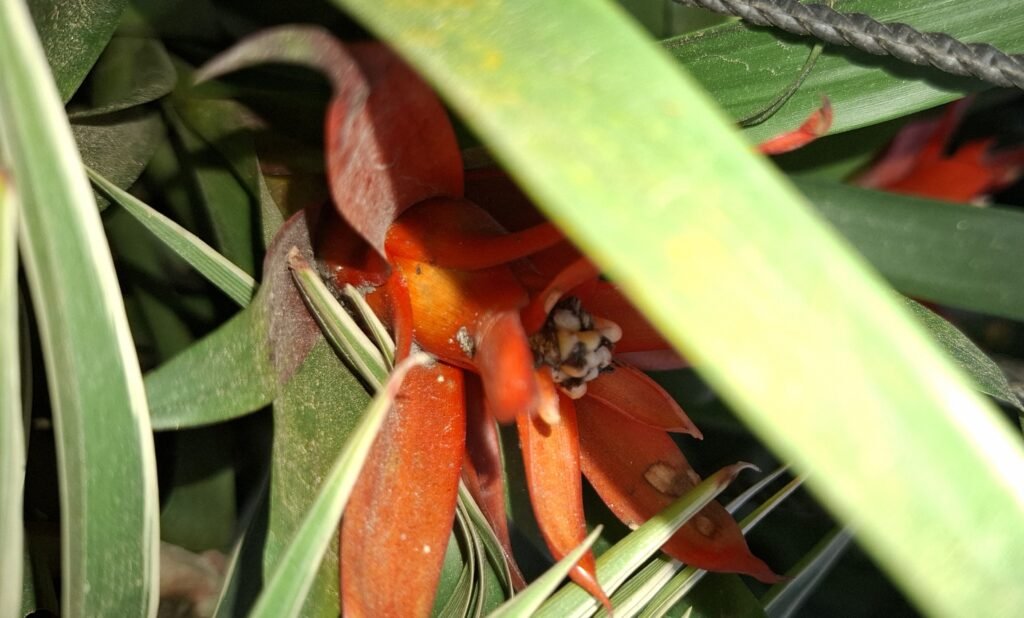
- Bromeliad Plants Indoors: The Ultimate Tropical Touch for Your Home
- Master the Art of Indoor Bromeliad Care, Propagation, and Styling with Expert Tips and Botanical Secrets
- 1: The Allure of Indoor Bromeliads
- 2: Understanding Your Bromeliad – Types & Features
- 3: Light, Water & Air – The Golden Trio of Bromeliad Care
- 4: Uncommon Care Tips the Pros Swear By
- 5: Propagating Bromeliads Like a Botanist
- 6: Are Bromeliads Pet-Friendly?
- 7: Medicinal and Cultural Significance of Bromeliads
- 8: Common Problems and How to Fix Them Fast
- 9: Styling with Bromeliads – Decor Inspiration
- 10: Your Indoor Bromeliad Routine – Weekly & Monthly Checklist
- FAQs: Indoor Bromeliad Plants
Bromeliad Plants Indoors: The Ultimate Tropical Touch for Your Home
Master the Art of Indoor Bromeliad Care, Propagation, and Styling with Expert Tips and Botanical Secrets
1: The Allure of Indoor Bromeliads
Bromeliads are nature’s tropical jewels, bringing vibrant hues and exotic structure into any indoor space. With their kaleidoscopic flowers and rosette-shaped foliage, they create a striking focal point on shelves, tabletops, and hanging baskets. In this guide, you’ll learn not only how to keep them alive but how to help them thrive indoors—from plant parent basics to advanced botanical care tips.
2: Understanding Your Bromeliad – Types & Features
There are over 3,000 known species of bromeliads, ranging from the colorful Guzmania to the textured Tillandsia (air plants). Each has its own light, humidity, and soil preferences. Learn how to identify your variety, its native habitat, and how to mimic those conditions at home.
3: Light, Water & Air – The Golden Trio of Bromeliad Care
Bromeliads may look high-maintenance, but they are surprisingly forgiving when it comes to care. Discover the ideal balance of filtered sunlight, correct watering through the central “cup,” and how to maintain good air circulation to prevent rot and pests.
4: Uncommon Care Tips the Pros Swear By
Beyond the basics, we dive into rare but highly effective practices:
Rotating your plant weekly to ensure even exposure to light.
Using rainwater or filtered water to avoid mineral build-up.
Monthly misting with diluted orchid fertilizer.
Placing crushed charcoal at the bottom of pots for odor control.
5: Propagating Bromeliads Like a Botanist
Learn the exciting method of growing new bromeliads from pups (baby plants). You’ll master:
Common mistakes that hinder successful propagation. This section gives you step-by-step propagation insights so you can expand your bromeliad family with confidence.
When to separate pups from the mother plant.
Rooting them in a well-draining medium.
6: Are Bromeliads Pet-Friendly?
If you have curious cats or playful pups, safety is a concern. Bromeliads are generally non-toxic to pets, making them one of the safer tropical options. But we’ll explore precautions, such as keeping leaves out of reach or preventing overchewing that can lead to digestive issues.
7: Medicinal and Cultural Significance of Bromeliads
Uncover the hidden medicinal and traditional uses of bromeliads in indigenous cultures. Some varieties are known for their anti-inflammatory properties, while others play symbolic roles in ceremonies and herbal practices in South America.
8: Common Problems and How to Fix Them Fast
Brown tips? Drooping leaves? No pups forming? This section addresses:
Root rot due to overwatering.
Sunburn from too much light.
Pest control for mealybugs and aphids.
Reviving stressed plants with quick-fix remedies.
9: Styling with Bromeliads – Decor Inspiration
Whether you live in a minimalist loft or a lush bohemian hideaway, bromeliads fit in effortlessly. Creative styling ideas include:
Wall-mounted bromeliad displays with air plants.
Terracotta planters in bathrooms for a spa-like vibe.
Grouping with succulents and orchids for a botanical vignette.
10: Your Indoor Bromeliad Routine – Weekly & Monthly Checklist
Finally, wrap your journey with an actionable routine:
Weekly light & moisture check
Monthly feeding and grooming
Seasonal repotting and rotation
Annual propagation schedule. By following this roadmap, your indoor bromeliads will bloom vibrantly and bring tropical energy into your living space year-round.
FAQs: Indoor Bromeliad Plants
rhizoctonia blight damping-off and root rot
Rhizoctonia Rampage: Don’t Let This Sneaky Soil Fungus Turn Your Garden into a Zombie Apocalypse! Picture your precious seedlings popping up like excited sprouts at…
plant’s mechanical damage
The Botanist Explanation, Minus the Boring Stuff Mechanical Damage of Plants: When Your Green Friends Get Bruised, Broken, and Beat Up Ever looked at your…
flowering period
Plant’s Flowering Period Endsfinished flowering period When Your Plant’s Flowering Period Ends: Here’s What Actually Happens (And What Smart Plant Parents Do Next) If you’ve…
chilling and frost Injury
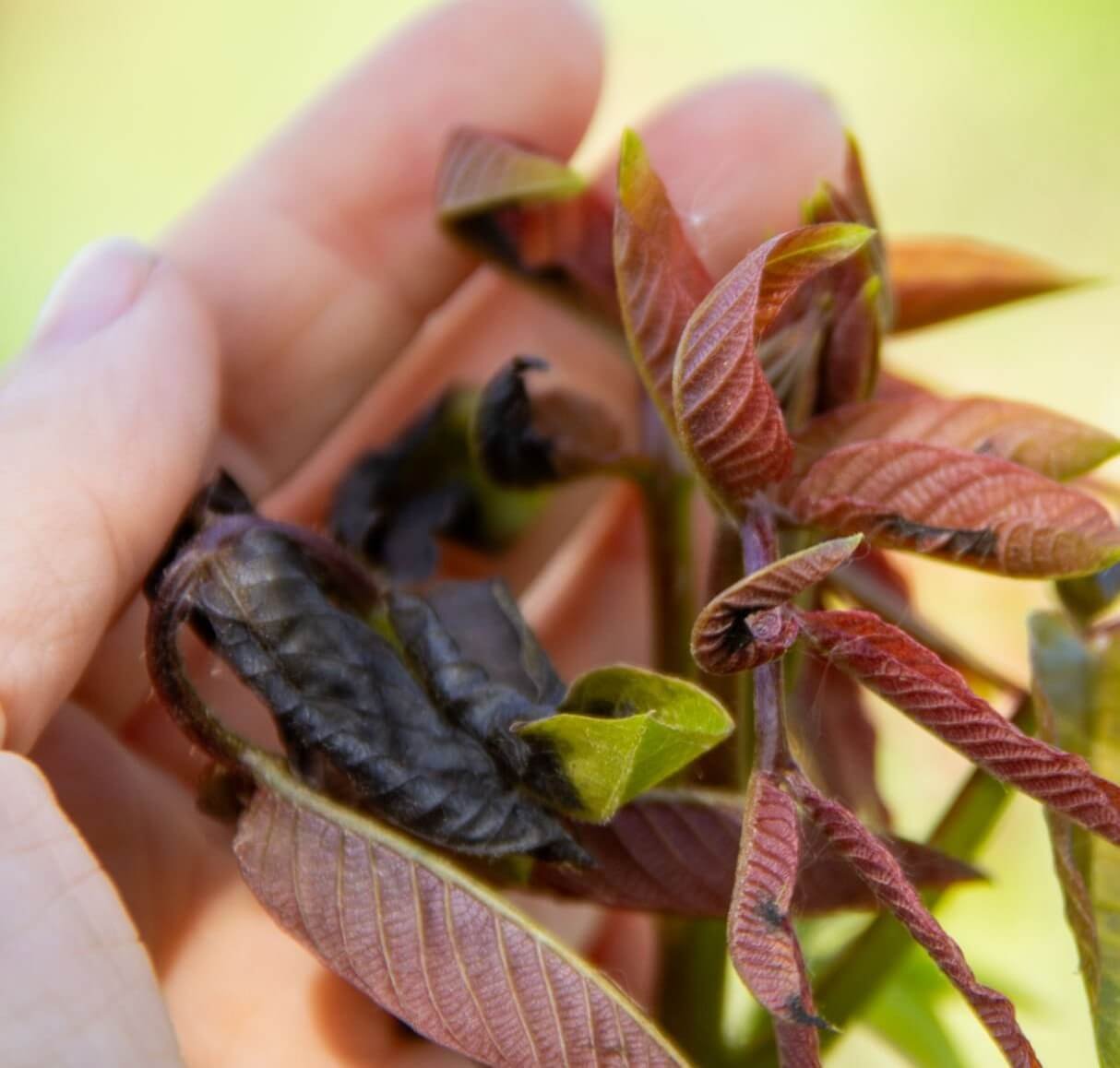
Chilling & Frost Injury in Plants: When Your Green Babies Catch a Cold Literally! If plants could talk, tropical species would scream every time the…
diseases leaf senescence in plants
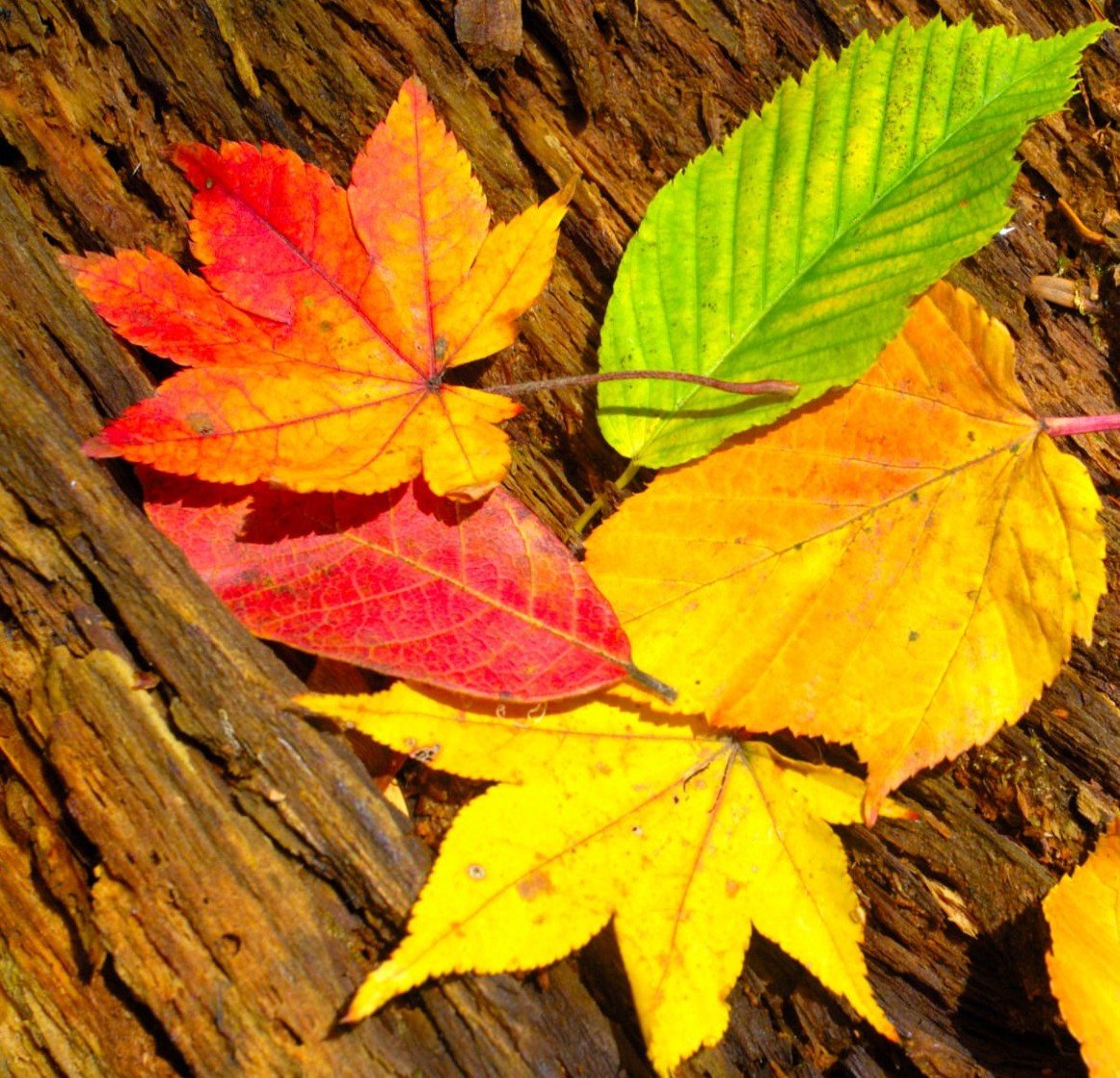
Here’s a closer view of the leaves on this plant. Leaf Senescence in Plants: Why Your Leaves “Retire” and How to Stop Early Aging! 1….

diseases pucciniales
Pucciniales (Rust Fungi): The Plant Plague That Sneaks Into Your Garden Like It Pays Rent If plant diseases had personalities, rust fungi (Pucciniales) would be…
disease verticillium wilt
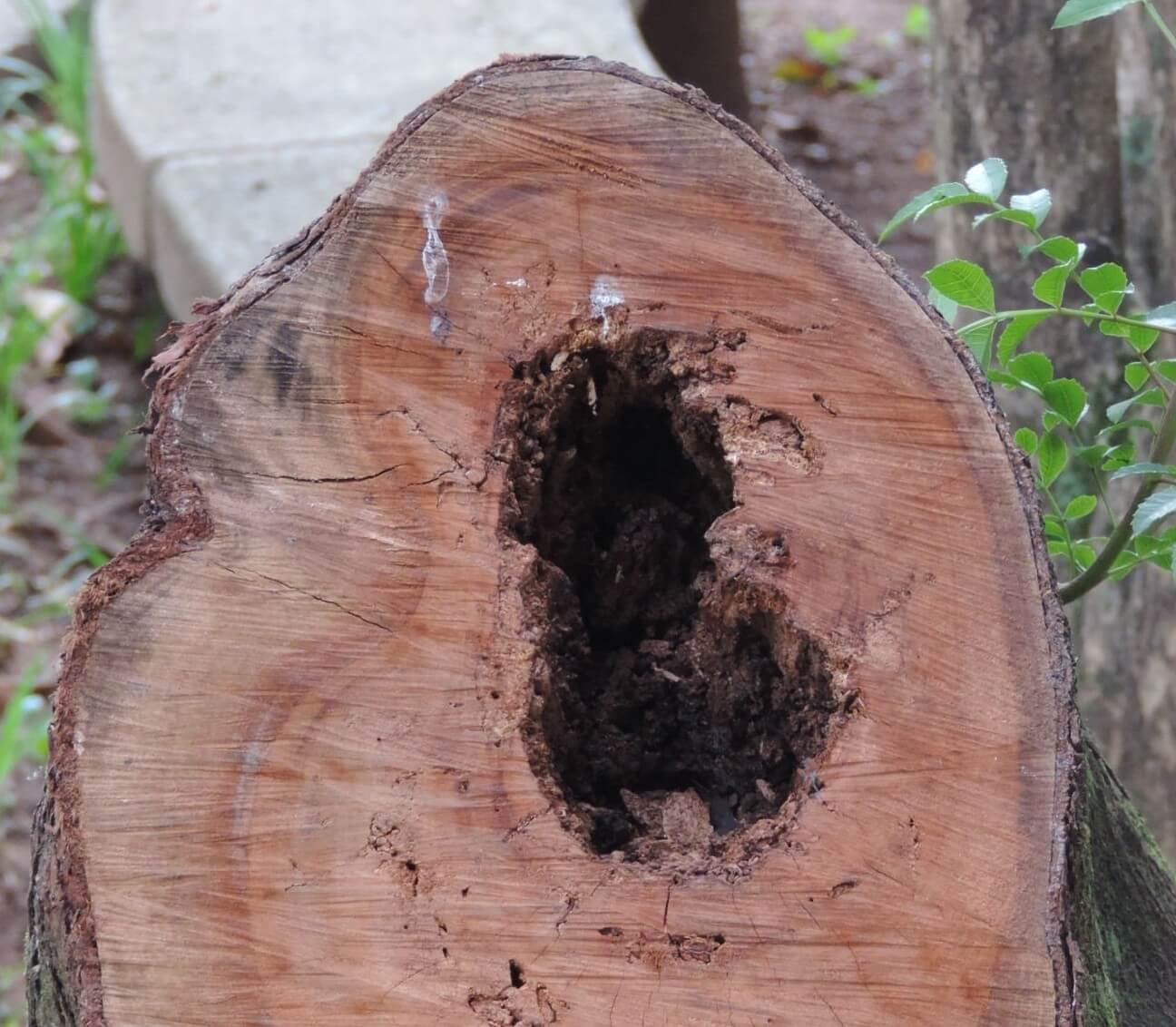
Verticillium Wilt: The Sneaky Garden Villain That Pretends to Do Nothing… Until It Destroys Everything If plant diseases had a “quiet-but-deadly” award, Verticillium wilt would…
diseases plants nematodes
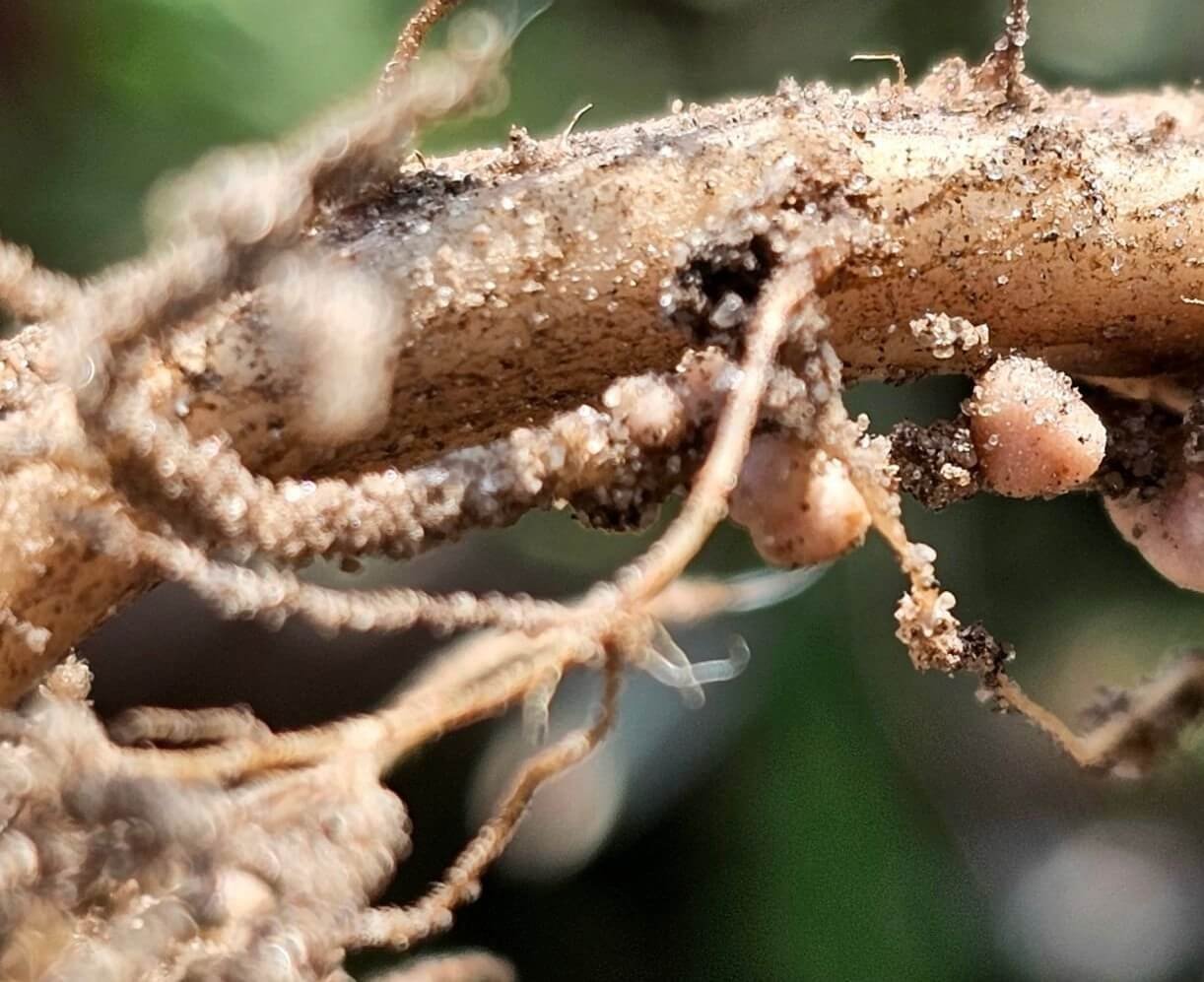
Plant Parasitic Nematodes: The Tiny Worms That Cause Big Drama in Your Garden If garden villains had a “small but mighty” award, Plant Parasitic Nematodes…
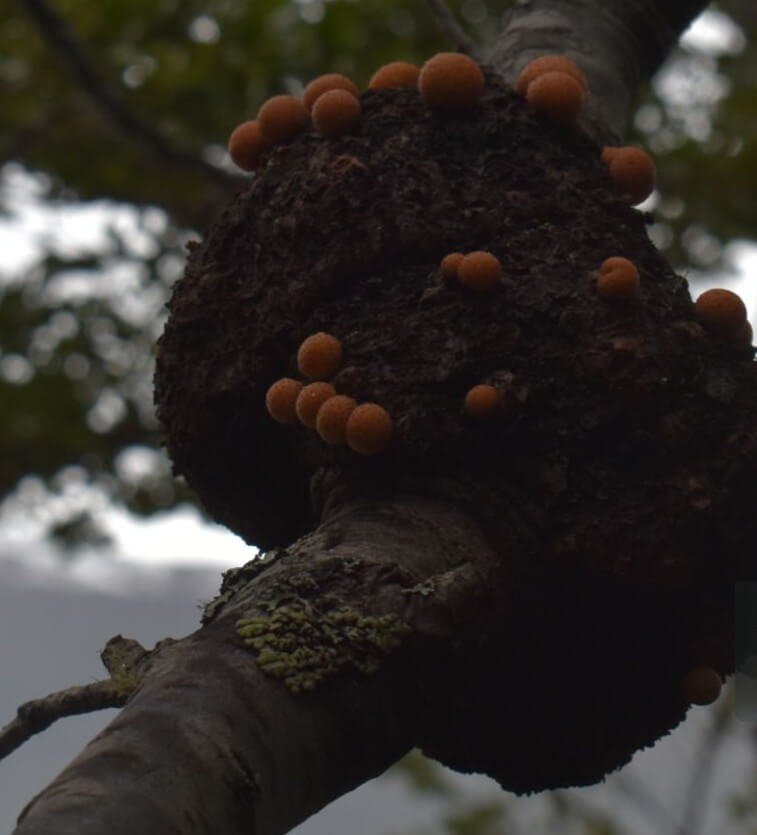
diseases black knot
Black Knot: The “Tree Parasite” That Looks Like Burnt Popcorn And How to Stop It! If plant diseases had a sense of humor, Black Knot…
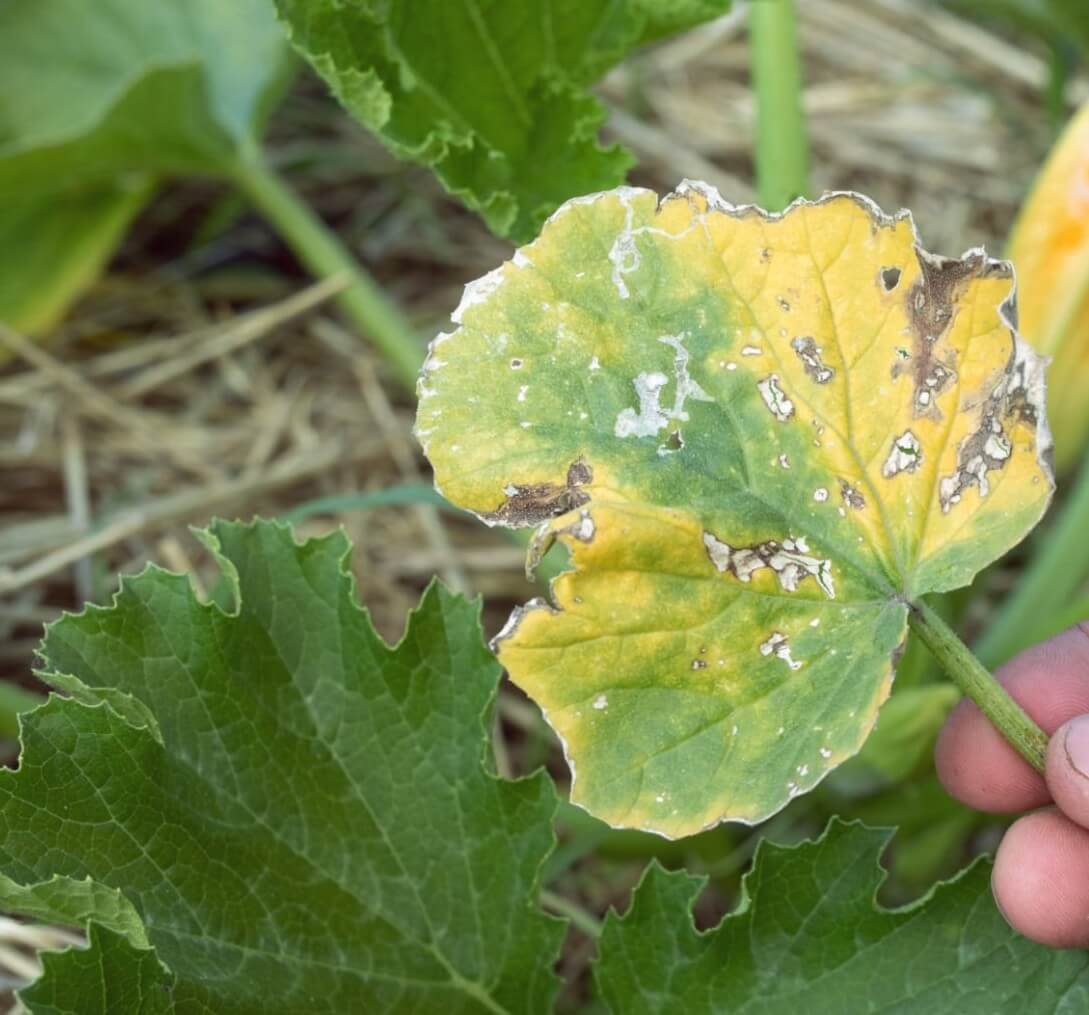
diseases nutrient-excess
nutrient excessnutrient excess Nutrient Excess in Plants: When More Isn’t Always MerrierYour Ultimate Guide to Spotting and Steering Clear of Fertilizer Fails Ever felt like…

I am an experienced indoor gardener working happily
and successfully in this sector for about five years.
Thank You
Leave a Reply