

- Plant’s Flowering Period Ends
- 1. Understanding the Flowering Cycle: The “Big Energy Spree” Stage
- 2. How to Know When Flowering Has Actually Ended (Clear Signs You Can Spot)
- 3. Why the Post-Flowering Resting Period Is Important
- 4. How to Prevent Problems After the Flowering Period Expert Guide
- A. Remove Spent Flowers (Deadheading)
- B. Adjust Watering
- C. Scale Back Fertilizer
- D. Improve Light — But Don’t Blast It
- E. Airflow Matters More Than You Think
- F. Watch for Pests (But Don’t Panic)
- G. Pruning — Light, Not Aggressive
- H. Humidity Balance
- I. Soil Check & Top-Dressing
- J. Patience the Secret Plant Skill Nobody Talks About
- FINAL TAKEAWAY
When Your Plant’s Flowering Period Ends: Here’s What Actually Happens (And What Smart Plant Parents Do Next)
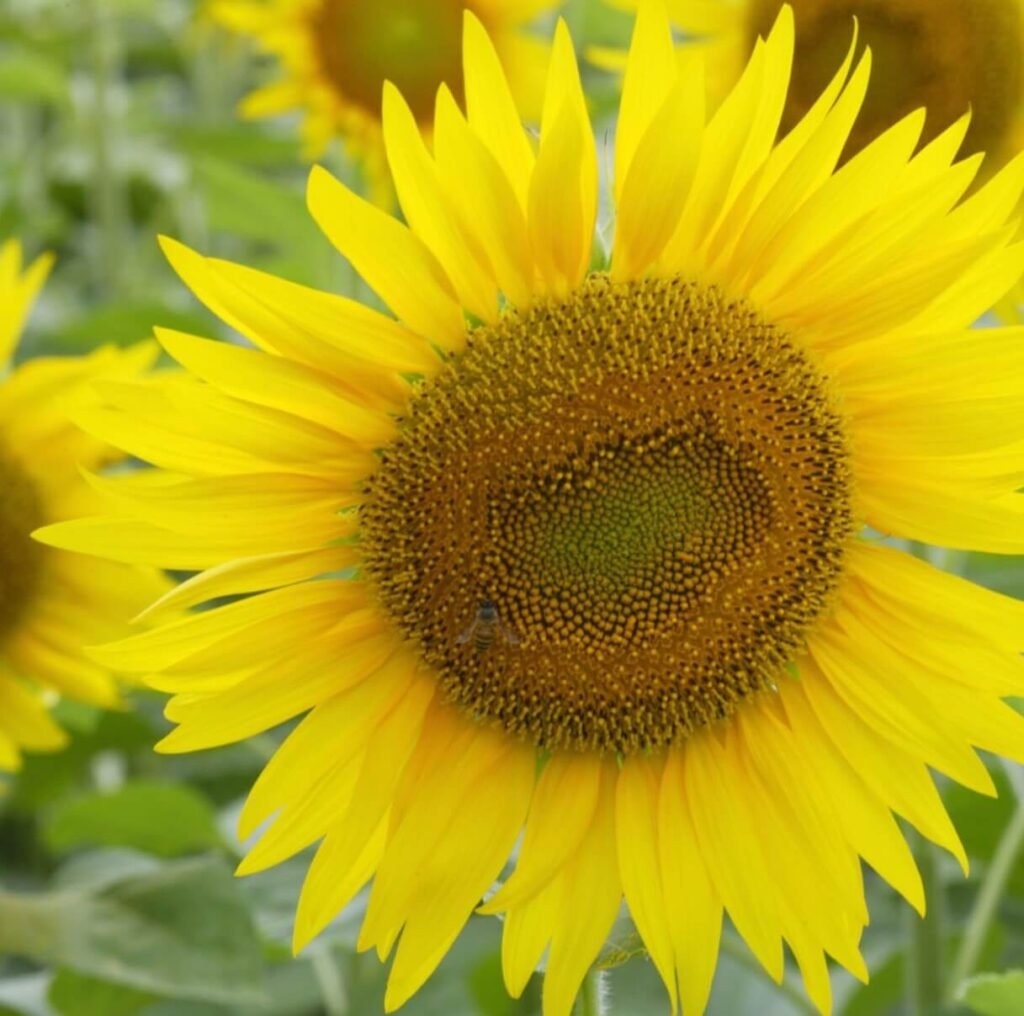
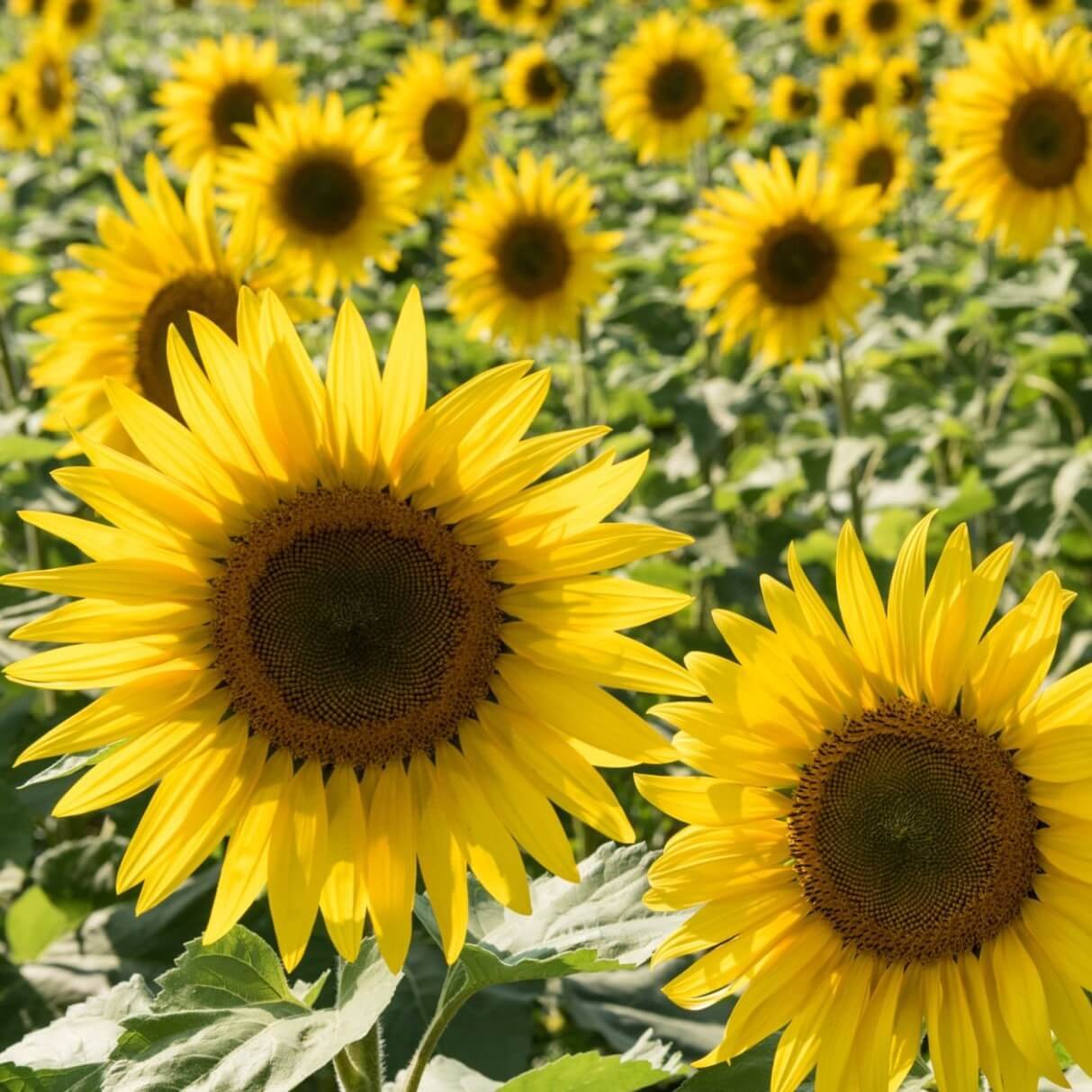
If you’ve ever stared at a flower that used to look like a mini fireworks display but now resembles a crumpled tissue… congratulations, your plant has just finished its flowering period — and no, it’s not dying. It’s just taking a well-deserved vacation.
Plants might not book flights to Bali, but trust me, their post-flower rest is equally dramatic.
Below is a botanist-approved, friendly, slightly chaotic-but-informative deep dive into what “flowering finished” really means — and how not to panic about it.
1. Understanding the Flowering Cycle: The “Big Energy Spree” Stage
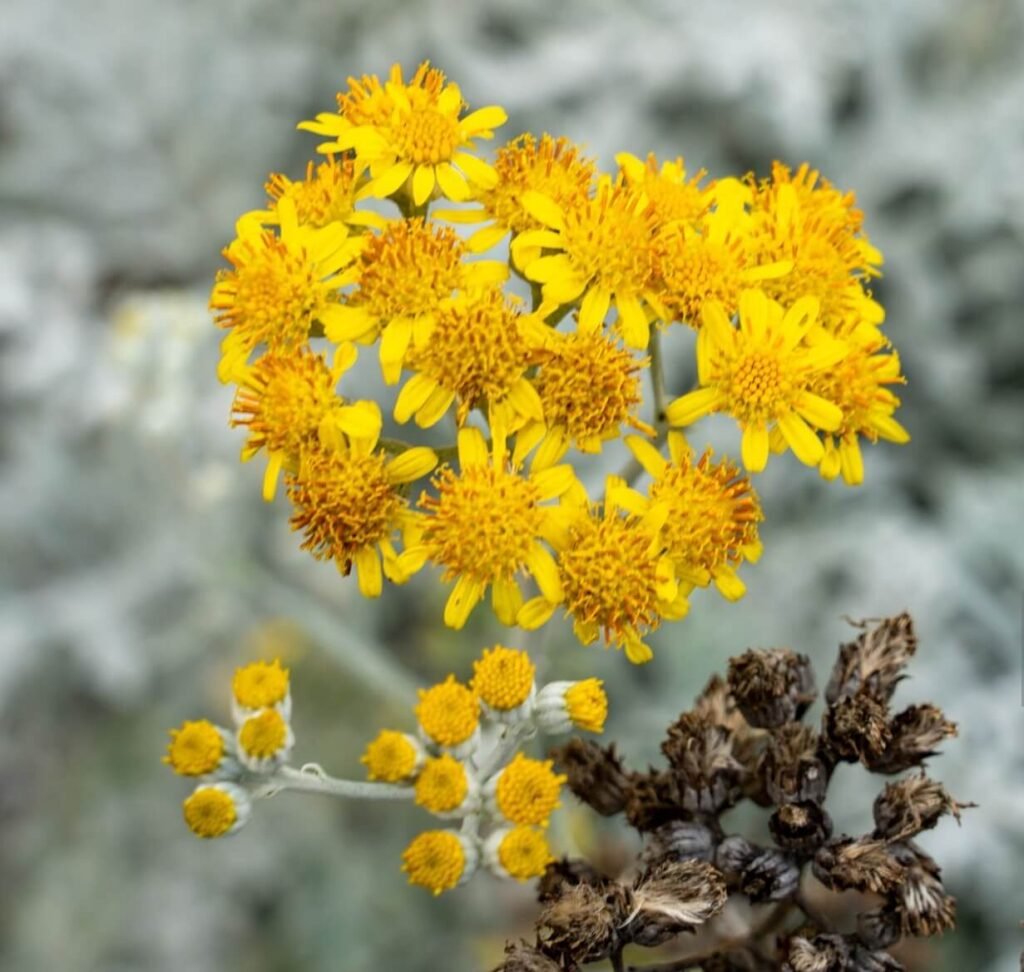
If plants had a gym playlist, the flowering stage would be the moment the beat drops. Flowering is a plant’s most energy-consuming phase — the equivalent of humans running a marathon while juggling glowing neon signs.
Every plant species has a unique flower schedule. Some bloom in quick bursts lasting 5–7 days, while others flex their endurance with a month-long floral show. Even within the same species, environmental conditions (light, temp, water, nutrients) can stretch or shrink this time frame.
During flowering, the plant temporarily shifts its priorities:
- Energy is redirected from roots and leaves toward developing petals, nectar, seeds, and sometimes fragrance.
- Hormones spike, especially auxins and cytokinins, to support bud development.
- Sugars and minerals are rapidly transported to reproductive tissues.
This is why your plant may behave strangely while blooming: slower leaf growth, increased water needs, or sometimes a diva-like sensitivity to environmental changes.
Once flowering finishes, the plant doesn’t just “stop being pretty.” Instead, it moves into a rest and recovery phase, sort of like the cooldown lap for an athlete. At this stage, nutrients shift back toward roots and foliage, and the plant prepares for its next growth cycle.
Understanding this natural arc helps you avoid the common beginner mistake: thinking the plant is sick or under attack when really… it’s just tired from showing off.
2. How to Know When Flowering Has Actually Ended (Clear Signs You Can Spot)
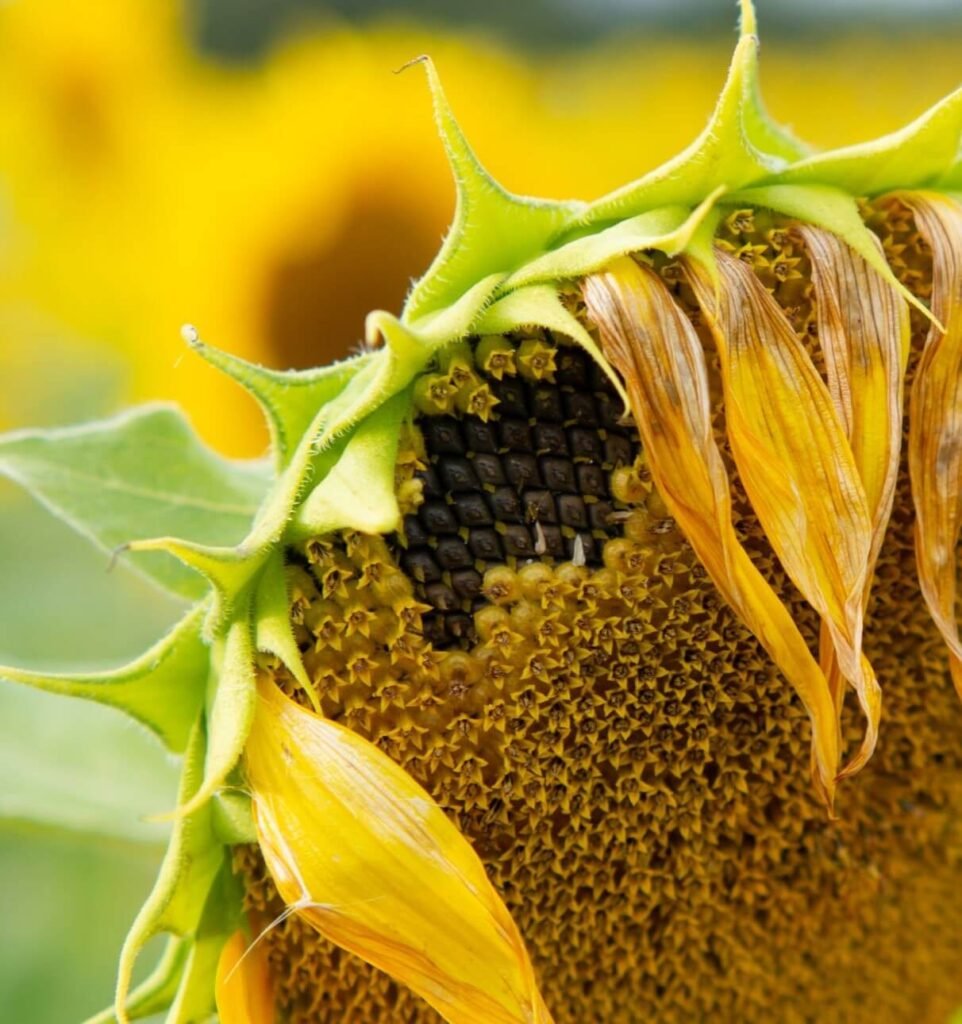
Finished flowering isn’t subtle — it’s like your plant is sending you a breakup text but in petal form.
You’ll notice these classic signs:
Petal Drop
This is the most obvious one. Petals fall off naturally once the bloom has fulfilled its biological purpose. A few petals falling? Normal. A full confetti explosion? Also normal.
Drying or Browning Flowers
The flower head may dry out from the edges inward. Browning doesn’t always mean disease — usually it’s just aging.
Wilted or Limp Blooms
Even if the rest of the plant looks perfectly fine, blooms may look tired, soft, or slightly deflated.
No New Bud Development
During active flowering, new buds appear regularly. Once the cycle finishes, the plant ceases bud production and shifts energy.
Seedpod Formation (in some species)
Some plants create seed capsules or pods once blooms decline — a clear “flowering completed” signal.
What’s NOT a sign of the flowering ending?
- Yellowing leaves across the plant (usually watering or stress issue)
- Sticky residue or odd speckles (pests!)
- Droopy stems or dry soil (hydration problem)
One great way to tell the difference: If only the flowers look ugly and everything else looks lush, your plant is perfectly fine.
Once you recognize these signals, you won’t be anxiously Googling things like “WHY IS MY PLANT FALLING APART???” at 3AM. Instead, you’ll understand the plant is simply transitioning to its next chapter.
3. Why the Post-Flowering Resting Period Is Important
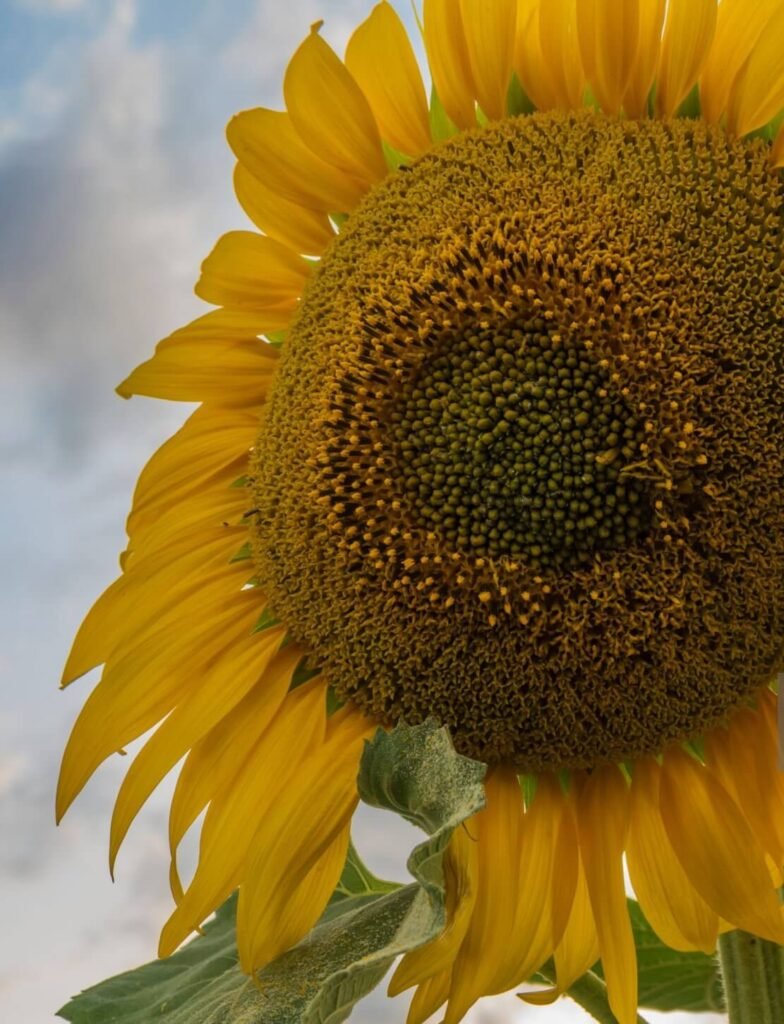
After the show comes the recovery, when flowering ends, plants don’t just slump in a corner like they’ve been emotionally drained. They launch into a critical physiological reset, and this period determines how strong and healthy their next flowering will be.
During the resting period, the plant:
- Replenishes sugar reserves that were depleted during bloom production.
- Repairs tissues that experienced stress or rapid metabolic change.
- Strengthens roots, improving nutrient and water uptake for the next cycle.
- Balances hormones, especially those related to growth and dormancy.
- Builds new leaf tissue or strengthens existing leaves for photosynthesis.
Some species even rely on rest periods to trigger their next flowering cycle. Many tropicals use rest periods as cues for seasonal changes (light duration, humidity, rainfall patterns). Even evergreen species benefit from downtime.
Ignoring or denying the rest period (e.g., overfeeding, forcing growth, or heavy pruning right after flowering) can lead to:
- weak future blooms
- reduced bud production
- increased susceptibility to pests
- stunted growth
- leaf stress or sudden drop
Think of it as pressing the “reset power” button on your plant. Just like students need school breaks and athletes need cooldowns, plants need this silent recharging stage.
4. How to Prevent Problems After the Flowering Period Expert Guide
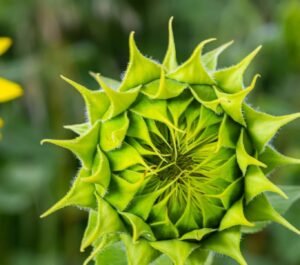
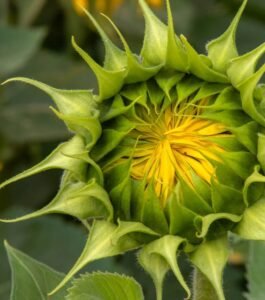

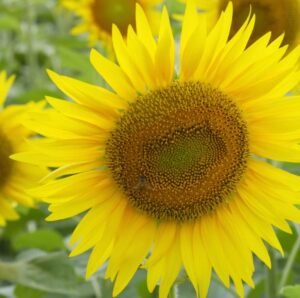
When flowering ends, your job as a plant parent begins. Below are pro botanist-approved ways to prevent damage and help your plant recover faster — written in simple, friendly language but backed by plant science.
A. Remove Spent Flowers (Deadheading)
Deadheading isn’t plant surgery — it’s self-care for your plant.
- Prevents rot spreading to stems
- Redirects energy to root and leaf recovery
- Encourages tidy, healthy growth
Always snip where the flower meets the stem. Use clean shears.
B. Adjust Watering
Your plant no longer needs “flowering athlete hydration mode.”
- Reduce watering slightly
- Maintain consistent moisture (not soggy, not desert-dry)
- Water early in the day for optimal photosynthesis
Overwatering after flowering is one of the top causes of fungal issues.
C. Scale Back Fertilizer
Blooming foods = high phosphorus.
Post-bloom = chill time.
Switch to:
- balanced, mild fertilizer (e.g., 10-10-10 or 20-20-20 at half strength)
- fertilize only every 4–6 weeks
- avoid high-phosphorus formulas until the next pre-bloom stage
This prevents nutrient burns and lets the plant slow down.
D. Improve Light — But Don’t Blast It
Your plant still needs good light, but without the intensity required for bud development.
- Bright, indirect light works for most
- Avoid harsh midday sun
- For indoor plants: rotate weekly for even energy distribution
Think “calm daylight,” not “sun tanning competition.”
E. Airflow Matters More Than You Think
Good airflow:
- prevents humidity buildup
- reduces fungal risk
- helps dry petals and stems naturally
Just don’t place the plant in harsh drafts or directly in front of air conditioners.
F. Watch for Pests (But Don’t Panic)
After flowering, plants can be a bit tender, and pests love weakness.
Check weekly for:
- tiny dots
- sticky areas
- webbing
- curled leaves
Early spotting = easy management.
G. Pruning — Light, Not Aggressive
Post-bloom pruning is fine, but avoid heavy shaping right away.
Do:
- trim dead tips
- remove dried flower stalks
- cut yellow leaves
Don’t:
- reshape the whole plant
- cut down stems dramatically
Let the plant recover first.
H. Humidity Balance
Too low = leaf crisping
Too high = fungal party (not invited)
Aim for:
- 40–60% humidity for tropicals
- 30–40% for succulents or desert plants
Use a pebble tray or moderate humidifier placement if needed.
I. Soil Check & Top-Dressing
Don’t repot immediately after flowering it stresses the plant.
But do refresh the topsoil:
- remove 1–2 cm of old soil
- add fresh nutrient-rich substrate
- ensure no mold or soggy patches
This boosts nutrients without root shock.
J. Patience the Secret Plant Skill Nobody Talks About
The plant might look “boring” after flowering, but trust the process.
If you treat this stage correctly, your next flowering will be:
- longer
- fuller
- more vibrant
- more frequent
Post-flowering care is what separates casual plant owners from actual plant whisperers.
FINAL TAKEAWAY
When flowering finishes, your plant hasn’t “failed” or “broken.” It’s simply resting, resetting, and preparing for its next masterpiece. With smart care, especially during the prevention stage, you’ll enjoy healthier growth and stronger blooms year after year.
indoor gardening ideas
Some unique garden ideas should be your first choice Indoor Garden Ideas If you have…
Neem tree
Neem Tree Benefits Neem Tree In English The Persian phrase “Azad-darakht-i-Hindi” converts into Azadirachta, which…

Stevia
stevia leavesA plant-based sweetener from a species known as Stevia What Is Stevia? Know About…
Miltonia Orchids
Miltonia Orchid Care Table of Contents Add a header to begin generating the table of…

Plants Caring Tips During Winter
How to care for indoor plants during winter Table of Contents Add a header to…

Salads Leafy Plant:
Salads Leafy Plant Table of Contents Add a header to begin generating the table of…

Rosemary Plant
Rosemary Know About Rosemary: If you found an aromatic herb in your kitchen then It…

Clintro/Coriander
Cilantro/Coriander Table of Contents Add a header to begin generating the table of contents History…

Bearss Lemon
Bearss Lemon Tree Table of Contents Add a header to begin generating the table of…
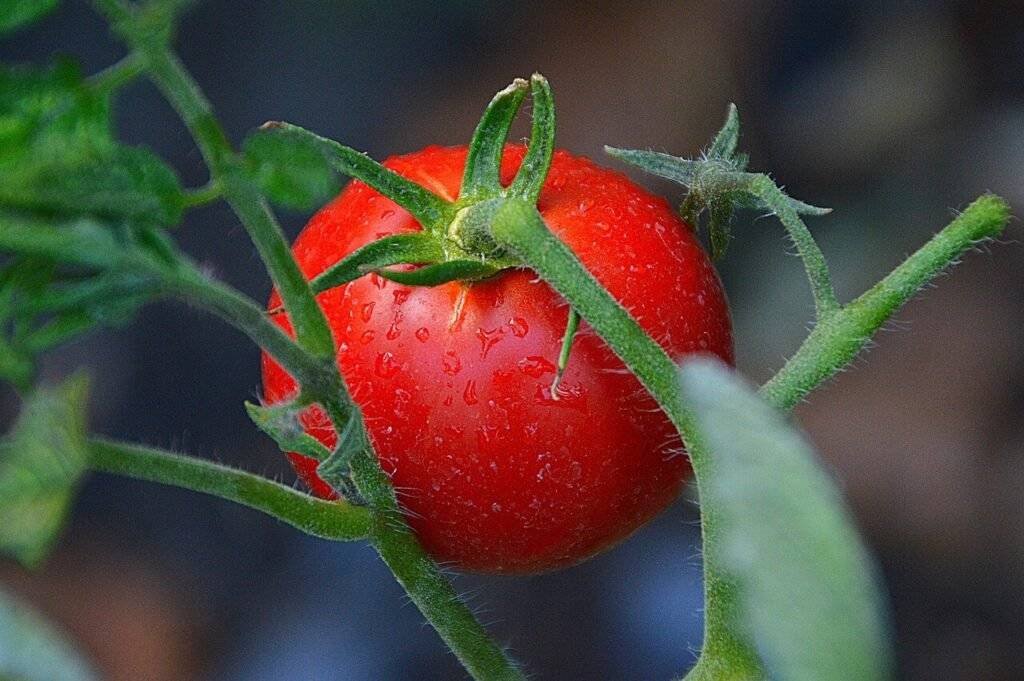
Tomato
Know the Growing Result Of Tomato | Proper Guideline. Table of Contents Add a header…

Cherry Peppers
Cherry Peppers Do you Love cherry? Of course, I do love and It’s so yummy…

I am an experienced indoor gardener working happily
and successfully in this sector for about five years.
Thank You
Leave a Reply