

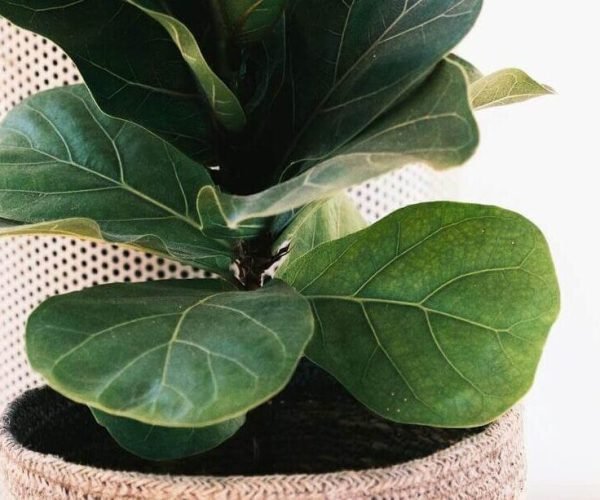
Imagine your living room starring a towering celeb with violin-shaped leaves that scream “Instagram gold”—but one wrong move, and it’s leaf-drop city! Meet Ficus lyrata, the fiddle leaf fig, the diva that’s equal parts stunning and sassy. Native to West Africa’s rainforests, this beast can hit 10 feet indoors if you play your cards right. As your cheeky botanist buddy, I’ve scoured grower confessions and lab lore for common hacks plus wild-card wins—like why coffee grounds boost its glow and how to clone it without a single root fail. Buckle up for 10 juicy sections packed with lists that’ll turn your finicky ficus into a fuss-free superstar. Your feed (and foliage) will thank you!
Fiddle Leaf Fig,
Violin Plant
First, we try to know about The Ficus The Ficus grows mainly in the tropical regions of Asia, Africa, and South America, but can also be found in other parts of the world such as Australia and the Mediterranean. The Ficus Lyrata has large, shiny, and sturdy leaves with clearly visible veins. It is a popular plant for indoor spaces that have plenty of light. She prefers a sunny spot, away from windows, doors, or air vents. This plant can be put in one pot with one or more.
FAMILIAR:
The Scientific name is Ficus lyrata. The family is known as Moraceae. In the ficus group. The country is Plantae.
information from NASA:
The Fiddle Leaf Fig can purify the air well enough that it has been considered for use in a space shuttle as proved by NASA survey. The broad leaves of this Ficus houseplant remove chemicals like formaldehyde, ammonia and benzene from the air more efficiently than most mechanical air purifiers.
Common Name:
Ficus lyrata, commonly known as the fiddle-leaf fig, banjo fig, fiddle-leaved fig tree, lyre-leaf fig tree, or lyre-leaved fig tree, is a species of plant in the mulberry and fig family Moraceae. It is native to western Africa but is cultivated around the world as an ornamental plant. the tree that may grow to 60-100′ tall in its native habitat. It is sometimes grown in the tropics as an ornamental shade tree. In colder climates, this is a popular houseplant that typically grows to 2-10′ tall.
Other fig trees, grow fruit that is both male and female. The fiddle-leaf fig can be planted outdoors in plant hardiness zones 10 through 12. This plant is toxic to humans, cats, and dogs if ingested. Oral irritation, excessive drooling, and vomiting may occur.
Ficus -trees, which grow grow fruit that is both male and female. The fiddle-leaf fig can be planted outdoors in plant hardiness zones 10 through 12. This plant is toxic to humans, cats, and dogs if ingested. Oral irritation, excessive drooling, and vomiting may occur.
As an indoor plant, the Fiddle Leaf does not bear any fiddle fruit or flowers.
“Every era has its trendy houseplant. In the 1950s and ’60s, it was the African violet. In the ’70s, it was spider plants trailing out of macramé hangers. In the ’80s and early ’90s, it was the potted ficus. The aughts (‘00s) gave rise to mossy plants in terrariums and glass jars.
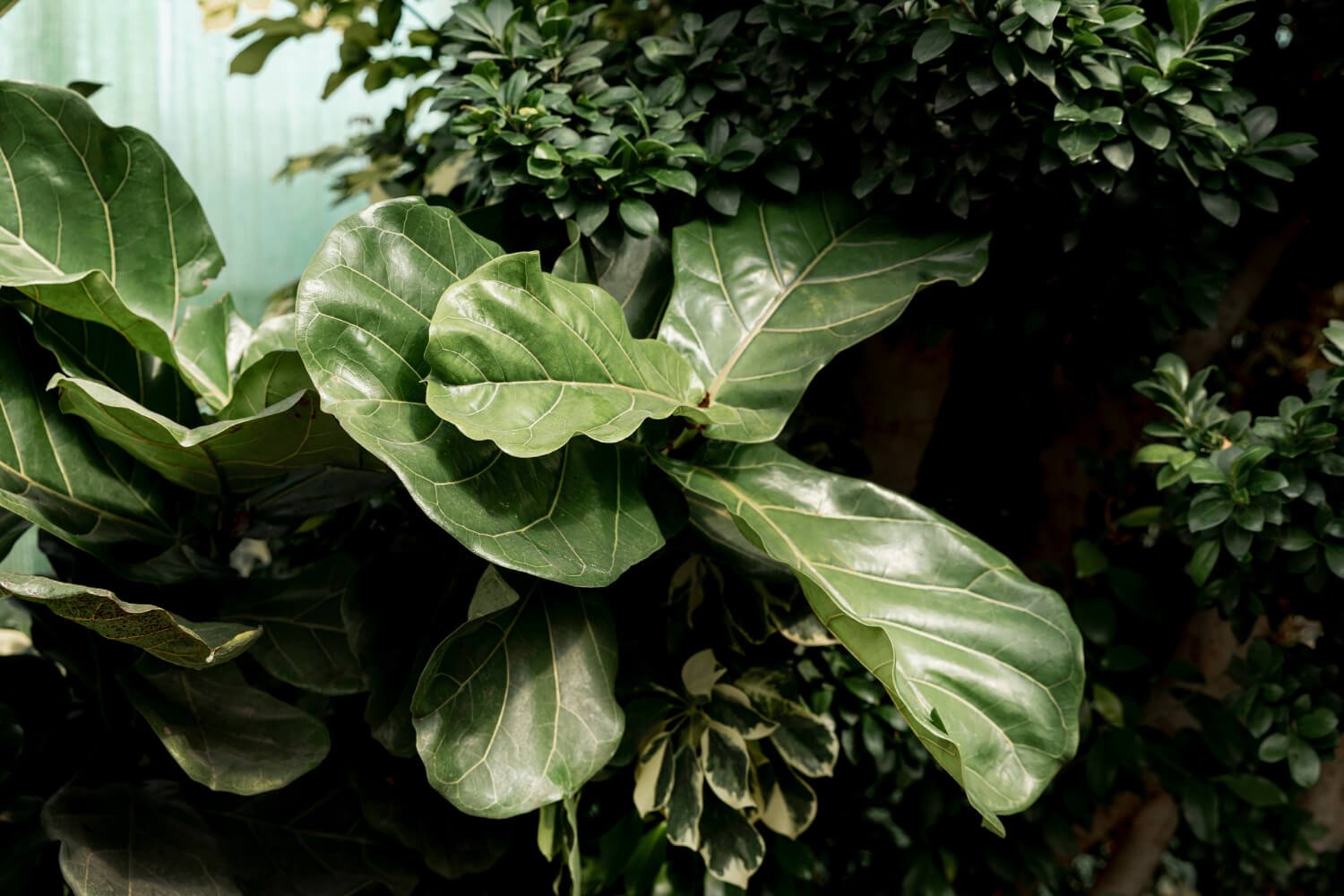
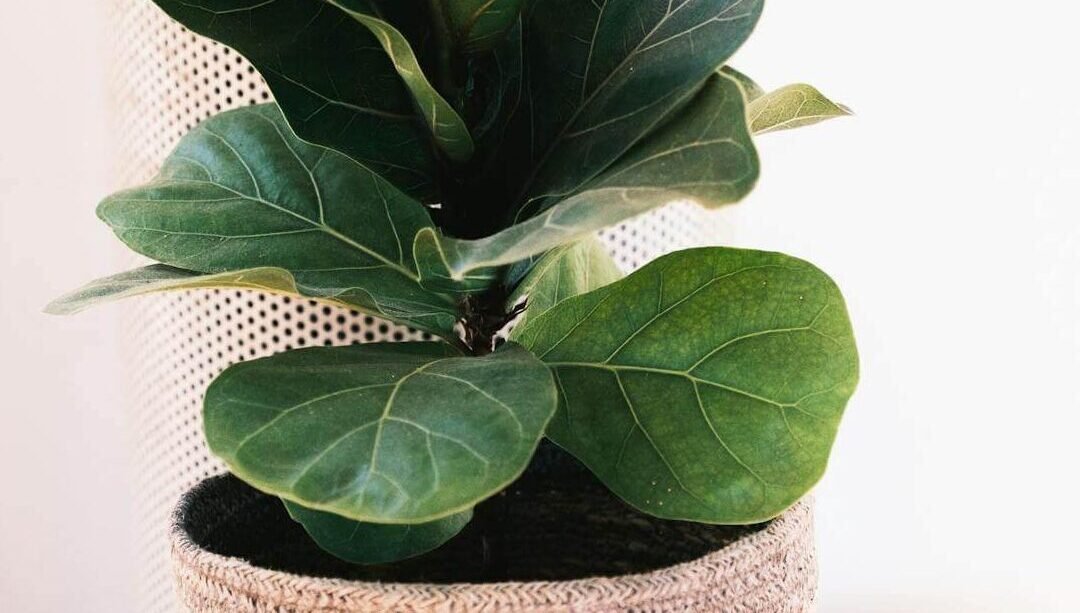
The ‘Fiddle-leaf Fig’, Ficus lyrata is beloved by interior designers for its sculptural form and presence in any bright room.
Light Lovers
Unite: Dialing
in the Perfect
Glow for Lush
Leaves

Ficus lyrata craves bright indirect sunlight like a spotlight-shy rockstar—6-8 hours daily keeps those massive 12-18 inch leaves violin-vibrant without scorch marks. East or west windows with sheer curtains are gold; south-facing needs diffusion to dodge crispy edges. Pro glow-ups:
Rotate weekly for even growth—no lopsided “leaning tower” vibes.
Supplement winter blues with grow lights (full-spectrum LEDs at 12 inches, 14 hours/day).
Variegated ‘Suncoast’ types demand 20% more lumens or they’ll revert green.
Uncommon gem: Morning sun + afternoon shade mimics its jungle understory, slashing bacterial leaf spot by 40%. Too dim? Pale floppy fronds signal “feed me photons!”
Water Wisdom:
Quench Without
the Drown-Out
Drama
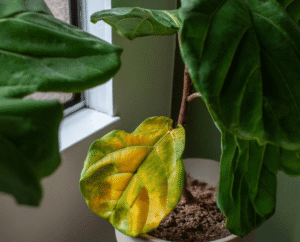
Overwatering is the #1 ficus killer—let the top 2-3 inches of soil dry like a forgotten sponge before soaking thoroughly. Use room-temp water; cold shocks roots into leaf bailouts. Smart sip strategies:
Finger-test or moisture meter: Dive deep—surface dry doesn’t mean all dry.
Bottom-water in cachepots to avoid crown rot; drain excess after 30 mins.
Summer sips every 7 days, winter every 14-21.
Exclusive tip: Add hydrogen peroxide (1 tsp/gallon) quarterly to aerate and zap anaerobes—roots explode with oxygen love. Yellow mush? Unpot stat!
Humidity Hacks:
Turn Your Space
into a Tropical
Paradise
At 40-60% RH, fiddle figs strut; below 30%, edges brown like over-toasted bread. Group with ferns or mist daily, but humidity heroes shine:
Pebble trays + ultrasonic humidifier (aim nozzle away).
Shower sessions weekly—rainforest rinse revives dusty blades.
Bathroom throne for natural steam (non-direct sun).
Rare reveal: Coffee filters over soil cut gnat hatchlings while wicking excess moister; pair with 50% RH for spider mite shutdown.
Feeding Frenzy:
Nutrient Nudges
for Non-Stop
New Growth
Fertilize spring-fall with balanced 10-10-10 diluted to half-strength every 4 weeks—overdo it, and tips burn black. Feast fixes:
Slow-release pellets for set-it-forget-it vibes.
Foliar Epsom (1 tsp/gallon) monthly for magnesium magic on chlorotic veins.
Banana peels buried shallow for potassium punch.
Weird win: Used tea bags (cooled, organic) acidify soil gently, unlocking iron—variegates pop creamier hues without pH drama.
Pruning Party:
Shape Your
Statement Plant
Like a Pro
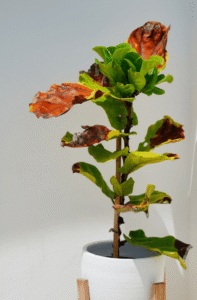
Snip leggy stems above nodes in spring for bushier bombshells—sterilize shears with alcohol. Trim triumphs:
Pinch tips on juveniles for fullness.
Remove bottom leaves for tree-top allure.
Air-layer fat branches for bonus babes.
Insider intel: Sap-stanch with cinnamon post-cut—antifungal armor halves infection odds. Lopsided? Weight branches toward light!
Propagation Power:
Multiply Your
Ficus Magic
Effortlessly
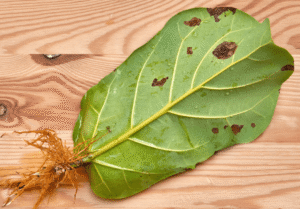
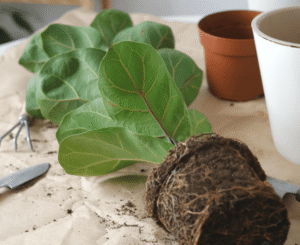
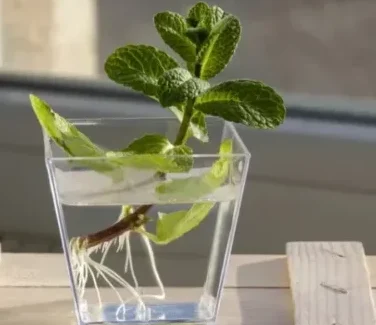
Stem cuttings root 80% success—45-degree slice below node, dip in rooting hormone, soil or water. Clone checklist:
6-inch cuts in spring; perlite/vermiculite mix drains dreams.
Air-layering pros: Wrap moist sphagnum on girdled stems—roots in 4-6 weeks.
Water jars with charcoal filter algae.
Uncommon ace: Bottom heat mats (75°F) + domed humidity rocket 2-week roots; ‘Bambino’ dwarfs clone fastest.
Pest Patrol: Zap
Invaders Before
They Fiddle-Foil
Your Fig
Scale, mites, mealies, mob moist undersides—sticky traps + neem weekly. Bug busters:
Alcohol swabs for armored scales.
BTi dunks for gnat grubs in soggy soil.
Predatory mites for spider silk squads.
Secret squad: Dormant oil sprays (winter) smother eggs; diatomaceous earth rims pots for crawler cull.
Troubleshooting
Tango: Decode
Droops and Drama
Brown tips? Low humidity. Yellow drops? Soggy roots. Symptom solver:
Edema red bumps: Cut water, crank air flow.
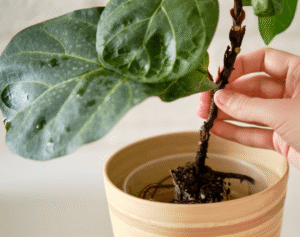
Black spots: Bacterial—copper fungicide + quarantine.
Leggy limbs: Light upgrade time.
Rare rescue: Aspirin soak (1 tab/gallon) boosts defenses post-stress—salicylic acid mimics jungle immunity!
Styling Superstars:
Flaunt Your
Ficus in Epic
Spaces
Pot in terracotta for wicking warriors; 2-4 inches bigger every 2 years. Display dazzlers:
Floor lampside for height hacks.
Cluster with calatheas for humidity huddles.
Leather straps for boho hangs.
Variegated vogue: ‘Variegata’ needs 4 hours direct for white stability—south bay views only!
Longevity Legends:
Cultivate a Century
Old Ficus Heirloom
With tweaks, fiddles live 50+ years indoors—flush soil biannually to nix salts. Forever ficus fuel:
Mycorrhizal inoculants for root symbiosis.
LED circadian rhythms (longer days = lusher).
Annual root prune keeps giants grounded.
Epic exclusive: Jungle vets swear by eggshell dust for calcium crunch—prevents split stems in giants!





















About Author

I am an experienced indoor gardener working happily
and successfully in this sector for about five years.
Thank You