

Verticillium Wilt: The Sneaky Garden Villain That Pretends to Do Nothing… Until It Destroys Everything
If plant diseases had a “quiet-but-deadly” award, Verticillium wilt would win every single year. It doesn’t shout, it doesn’t rampage, it simply tiptoes into your plant’s roots and slowly ruins the party from the inside out—like that one guest who eats all the snacks and leaves early. As a botanist, I can tell you: this disease is silent, strategic, and annoyingly stubborn. Let’s break down this fungal mastermind so you can outsmart it before it sabotages your entire garden.
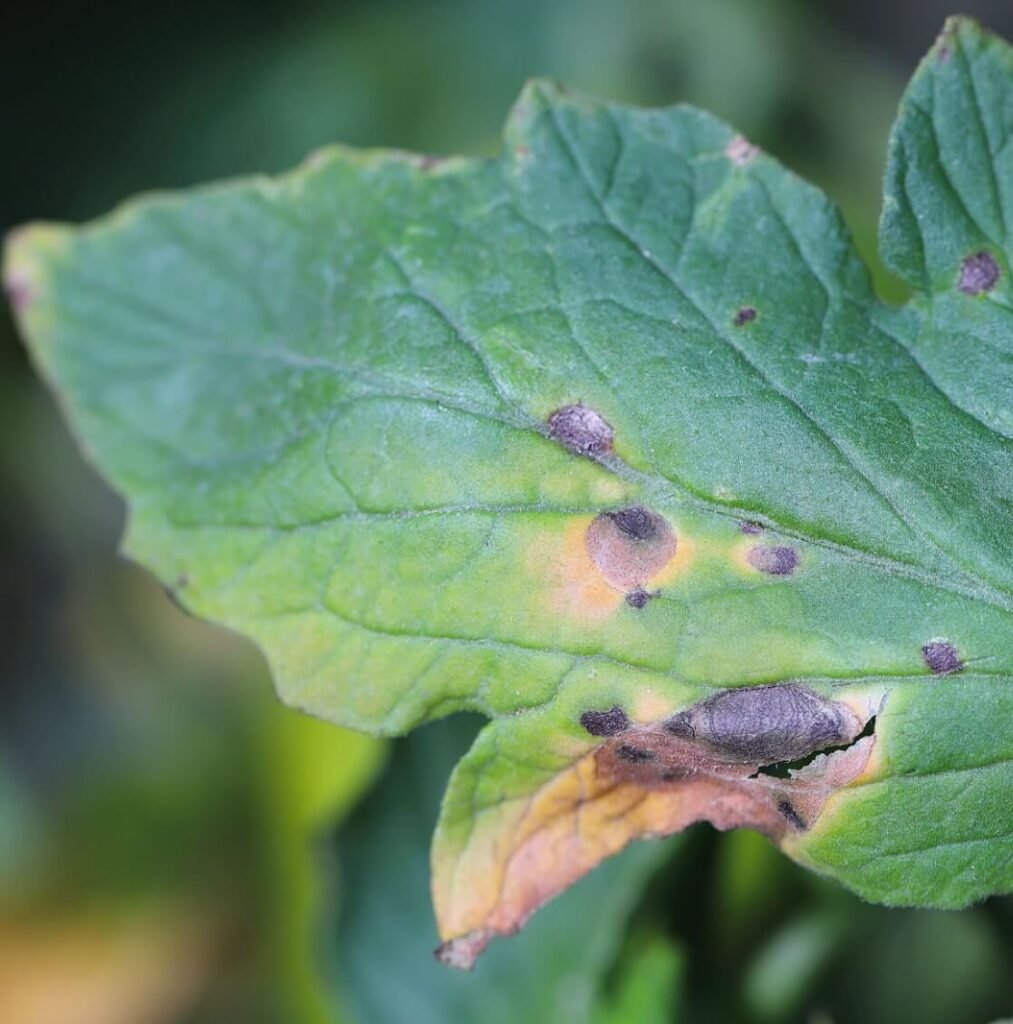
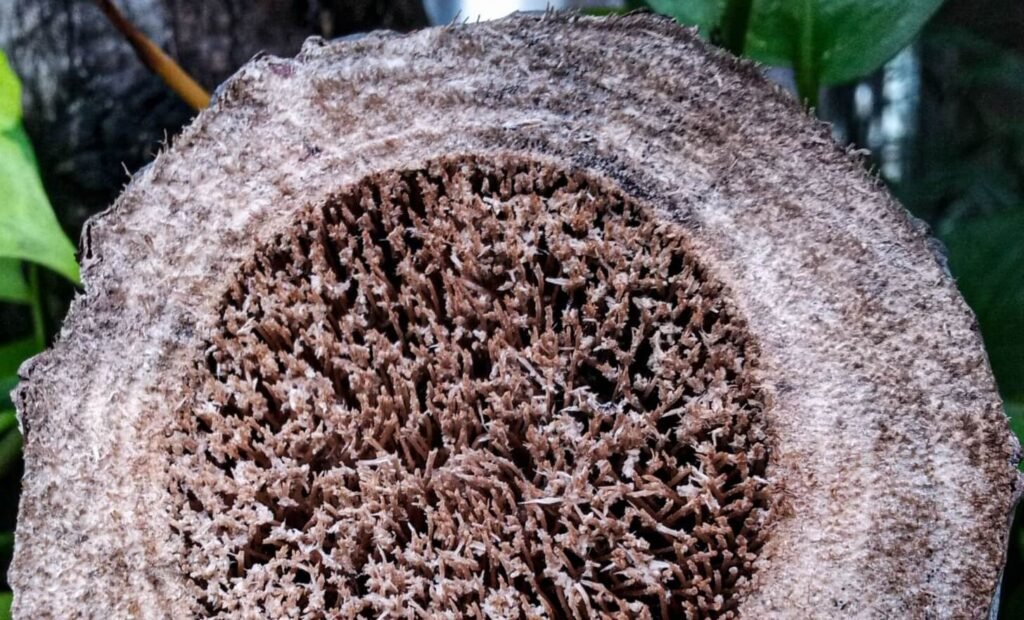
1. What Exactly Is Verticillium Wilt?
Verticillium wilt is one of the most widespread fungal diseases on the planet, affecting over 350 species of flowering plants—especially those from the Eudicots clade, which includes beloved crops, ornamentals, shrubs, and trees. Eudicots typically germinate with two seed leaves, and while not all of them are vulnerable, a surprising number get hit by this disease hard.
The culprit belongs to the Verticillium genus, a group of six soil-dwelling fungi that have mastered one horrifying trick: they enter through the plant’s roots and block its internal plumbing system. Think of them as biological traffic stoppers. They invade water-conducting tissues (the xylem), clog them with fungal masses, and gradually choke the plant’s ability to transport sap, nutrients, and water.
Once Verticillium is in the soil, it doesn’t just stay—it thrives. Spring is its favorite season, thanks to mild temperatures and moisture that activate its microsclerotia (tiny survival structures that can stay dormant for YEARS). Its broad host range means that vegetables, fruits, ornamentals, perennials, shrubs, and even shade trees can unknowingly become victims.
The economic impact is immense. Verticillium affects crops like potatoes, tomatoes, peppers, eggplants, strawberries, and fruit trees. It also hits ornamentals like maples, smoke trees, roses, and catalpa. In landscapes, it can quietly kill mature trees that took decades to grow.
To make matters worse? There’s no chemical cure once a plant is infected. But don’t panic—there are smart, science-backed strategies to manage, prevent, and keep your garden safe. You just need to learn how this fungal ninja operates.
2. How Verticillium Wilt Spreads and Why It’s So Hard to Detect
The tricky thing about Verticillium wilt is that it’s slow, and sometimes deceptively slow. Most plant diseases scream their symptoms early, but Verticillium likes to wait until you’re comfortable—usually late in the growing season—before making its move.
Its life cycle begins underground. The fungus survives in soil as tiny hardened structures called microsclerotia, which can lie dormant for 10–15 years until the right host root wanders by. Once the plant absorbs water, the fungus essentially hitches a ride into the vascular system.
Verticillium is incredibly adaptable. It spreads through:
- contaminated soil
- infected plant debris
- gardening tools
- splashing irrigation water
- nursery stock
- root-to-root contact
It doesn’t need wounds or insect damage to get in; healthy roots are fair game. Once inside, it multiplies rapidly and produces toxins that cause the plant to wilt, yellow, and decline.
Another reason growers dread Verticillium? It mimics many other issues—drought stress, nutrient imbalance, root rot, and heat stress. A plant may look thirsty when, in reality, it’s internally collapsing. Sometimes only one side of the plant wilts because the fungus colonizes one portion of the vascular tissue first. This asymmetrical wilting is one of its trademark quirks.
Trees show the strangest symptoms: a single large branch may suddenly brown and droop, while the rest of the canopy looks fine. By the time the entire tree declines, the fungus has already set up camp deep within the trunk.
In short: Verticillium is patient, persistent, and nearly impossible to remove from contaminated soil. But the earlier you identify the symptoms, the faster you can stop it from spreading.
3. Symptoms & Signs of Damage: What to Look For
Verticillium wilt symptoms usually appear late—right when you think your plant is having a peaceful growing season. But if you know what to look for, you can spot its warning signs early enough to intervene.
Top Symptoms in Annuals & Garden Plants
- Wilting leaves even when soil is moist
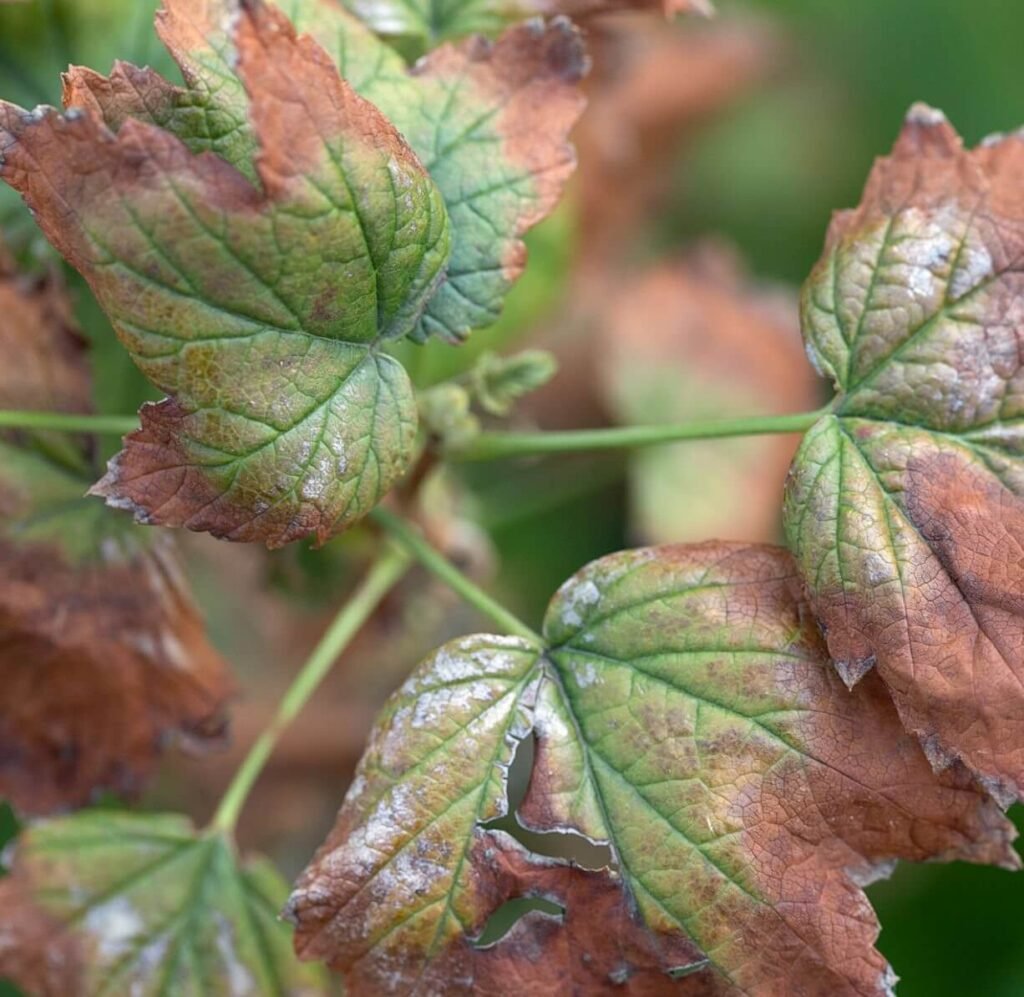
- Yellowing (chlorosis), especially at the leaf edges
- Sudden leaf drop
- Stunted growth
- Collapsed stems due to blocked water flow
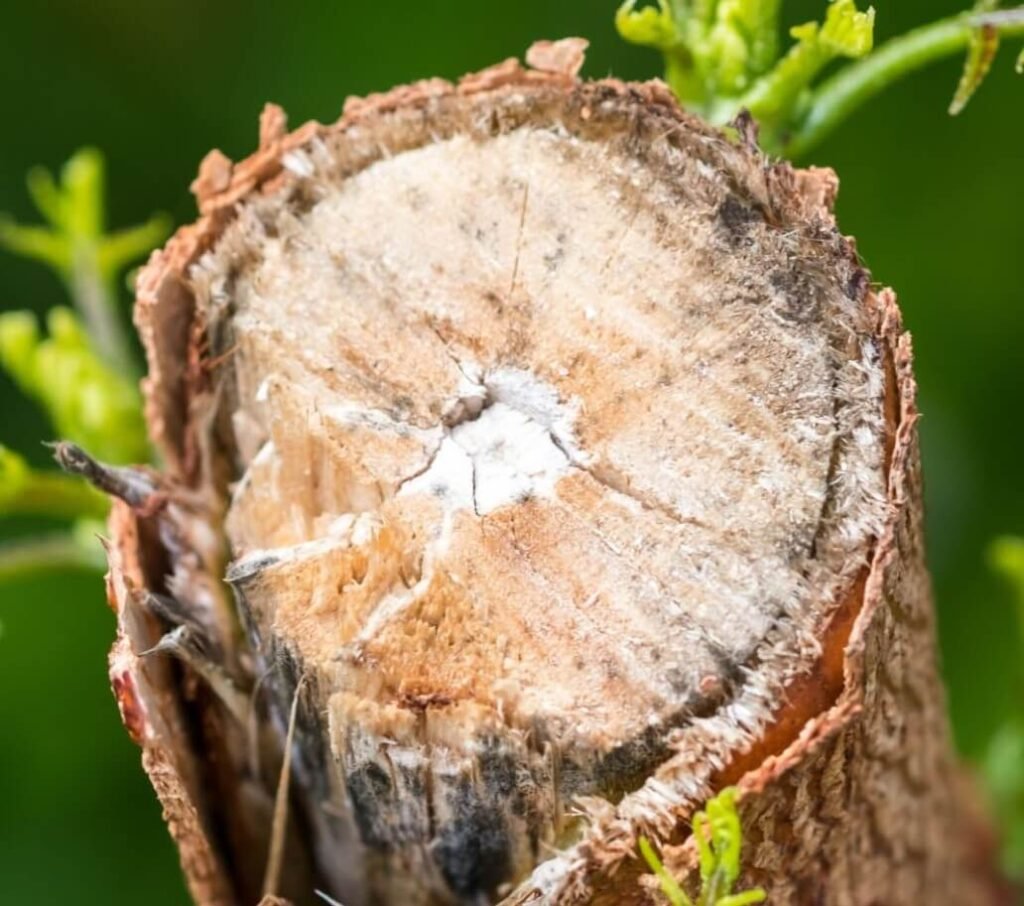
- Brown or black discoloration in internal stem tissue (a diagnostic clue)
One of the earliest red flags is an entire branch or section of the plant looking sad, limp, and discolored. The rest of the plant may appear normal, which confuses gardeners into thinking it’s just localized stress.
Symptoms in Trees
Trees don’t always collapse immediately. You’ll often see:
- one large branch wilting or turning brown early
- sparse, undersized leaves
- scorched-looking foliage
- dieback of the crown
- unpredictable branch death
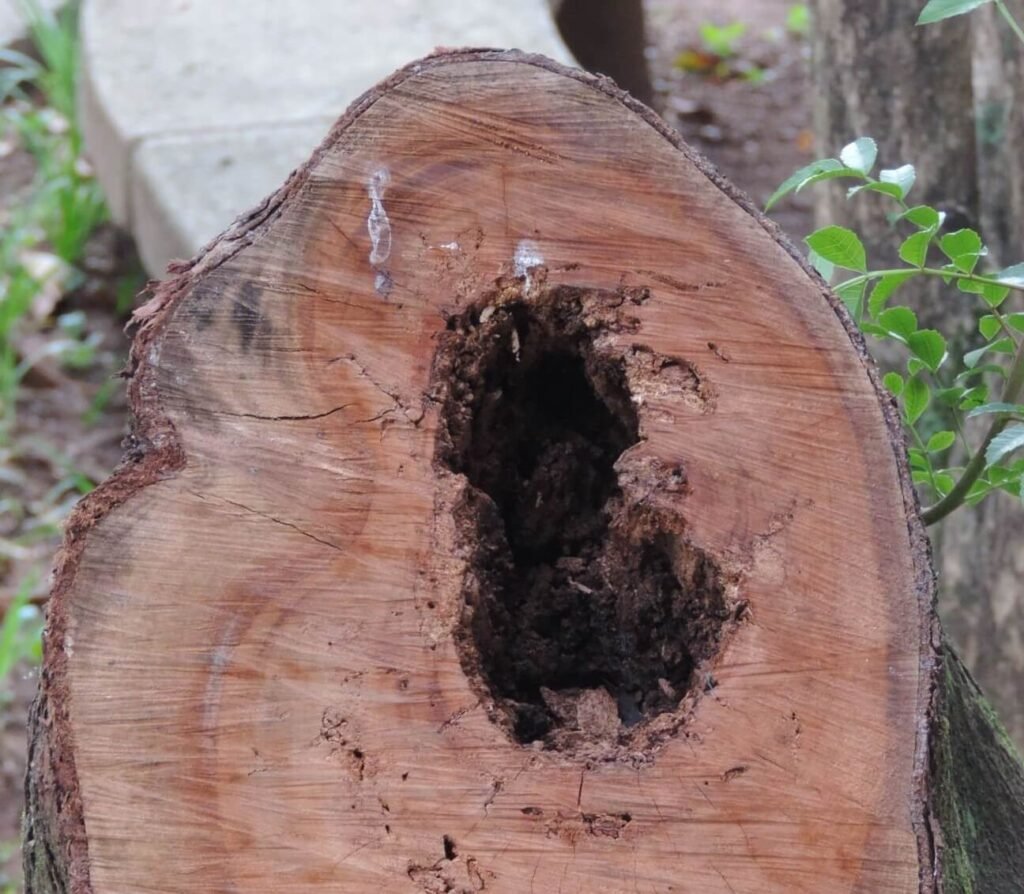
Cutting into a diseased branch often reveals dark streaks inside the wood—Verticillium’s fungal graffiti marking its territory.
Symptoms in Vegetable Crops
Verticillium absolutely loves:
- tomatoes
- peppers
- potatoes
- eggplants
- strawberries
In these, you may see:
- upward curling leaves
- yellow V-shaped lesions
- brown streaks in the lower stems
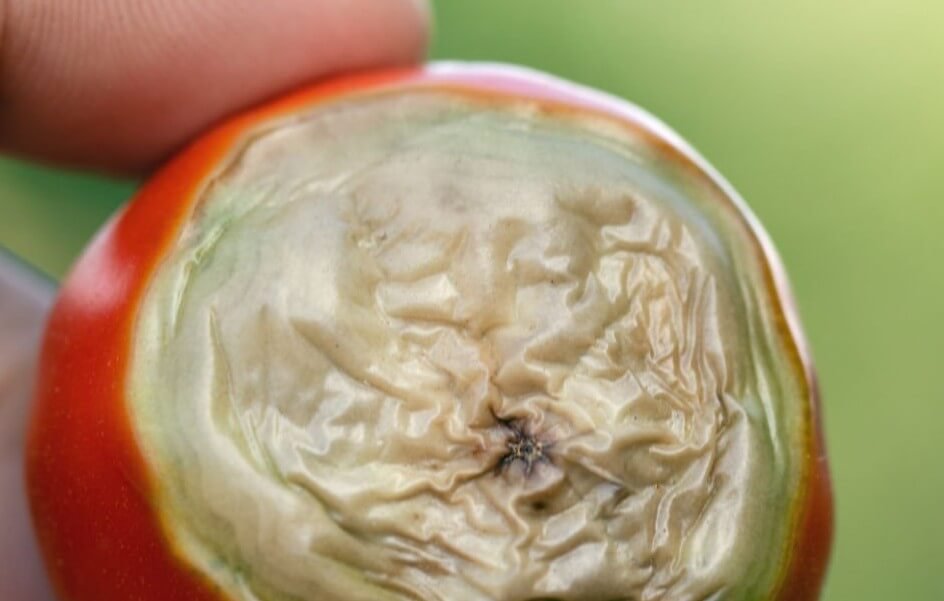
- fewer fruits
- sun-damaged fruits due to leaf loss
End-Stage Symptoms
Sadly, if infection is severe:
- growth halts
- branches dry out
- the entire plant collapses
- death follows
Because the fungus blocks xylem tissue, the plant essentially becomes unable to hydrate itself—even if the soil is perfect.
4. How to Prevent Verticillium Wilt
Good news: while Verticillium wilt is powerful, you can outsmart it with proper planning, soil care, and smart gardening practices. Prevention is everything, because once the fungus takes hold, treatment becomes extremely limited. Here’s your botanist-approved, action-packed prevention guide.
Choose Resistant Varieties Your #1 Weapon
Many modern cultivars are bred specifically for Verticillium resistance. Always check the label for “V” resistance when buying vegetable starts.
Examples include:
- Verticillium-resistant tomatoes (often labeled “V” or “VF”)
- Resistant peppers
- Resistant strawberries
- Resistant eggplant cultivars
For trees, choose species naturally less susceptible—such as birch, beech, hawthorn, or fir.
Practice Soil Hygiene Like a Pro
Verticillium loves dirty, infected soil, but hates:
- clean tools
- sanitized pots
- disease-free compost
Do this:
- Disinfect pruners after each plant
- Never reuse potting mix from a sick plant
- Remove and dispose of infected plant debris immediately
This prevents the fungus from spreading through your garden space.
Rotate Crops (Especially Nightshades!)
If your soil is contaminated, avoid planting:
- tomatoes
- potatoes
- peppers
- eggplants
in the same location for 4–5 years. Rotate with grasses, cereals, or resistant ornamentals that don’t host Verticillium.
Crop rotation won’t remove the fungus entirely, but it dramatically reduces inoculum levels.
Improve Soil Structure
Verticillium thrives in:
- poorly drained soil
- compacted soil
- areas with low organic matter
It struggles in rich, airy, microbe-diverse soil.
So add:
- compost
- leaf mold
- well-aged manure
- coconut coir
- perlite
These improve drainage and boost beneficial microbes that naturally suppress pathogens.
Mulch Smartly
Mulch helps the root zone stay cool and reduces stress, which boosts resistance.
Use:
- wood chips
- straw
- shredded leaves
Avoid mulches from infected trees, which may contain fungal spores.
Water the Right Way
Overhead watering spreads spores. Use:
- drip irrigation
- soaker hoses
- targeted root watering
Consistent moisture reduces plant stress—making them less vulnerable.
Remove Infected Branches ASAP
For trees or shrubs:
- prune diseased branches
- cut far below the discolored wood
- disinfect tools after each cut
This slows progression and prevents reinfection.
Solarize the Soil (Natural Sterilization)
This method uses the sun to “cook” the fungi out of the soil.
Do this in summer:
- Water soil thoroughly
- Cover with clear plastic
- Seal edges
- Leave for 4–6 weeks
Heat will kill a high percentage of microsclerotia.
Add Beneficial Microbes
Some helpful microbes outcompete Verticillium.
Useful additions:
- Trichoderma spp.
- Mycorrhizae
- Compost tea
They create an active soil biome Verticillium hates.
Maintain Plant Health (Stress = Higher Infection)
Healthy plants resist infection better.
Support them through:
- balanced fertilization
- proper spacing
- good airflow
- appropriate sunlight
Stressed plants are open invitations.
Remove Severely Infected Plants
When infection is too advanced, the best move is removal.
Uproot:
- collapsing veggies
- severely wilted ornamentals
- trees with repeated yearly dieback
This prevents the fungus from building huge populations in your soil.
Avoid Planting Vulnerable Species in Infected Soil
If your soil is known to host Verticillium:
- skip maples, redbuds, catalpa, smoke trees
- grow conifers or resistant ornamentals instead
Plant choice makes or breaks your future success.

I am an experienced indoor gardener working happily
and successfully in this sector for about five years.
Thank You
Leave a Reply