

Chilling & Frost Injury in Plants: When Your Green Babies Catch a Cold Literally!
- Chilling & Frost Injury in Plants: When Your Green Babies Catch a Cold Literally!
- 1. What Exactly Is Chilling & Frost Injury? The Science Behind the Shivers
- 2. What Happens Inside the Plant? Leaf Discoloration, Ice Crusts & “Plant Hypothermia”
- 3. High-Risk Plants & Hidden Dangers Most Gardeners Don’t Know
- 4. Guide to Preventing Chilling & Frost Injury (Your Plant’s Winter Survival Handbook)
- Final Thoughts Winter Doesn’t Stand a Chance Against a Well-Prepared Gardener
If plants could talk, tropical species would scream every time the temperature drops below 50°F (10°C). Cold stress is the silent villain of the plant world — sneaking in at night, freezing cell sap, and turning your beautiful leaves into sad, droopy popsicles. Whether you’re growing delicate houseplants or hardy outdoor shrubs, understanding chilling and frost injury is your secret weapon against winter plant disasters. Let’s break it down botanist-style — but fun.
1. What Exactly Is Chilling & Frost Injury? The Science Behind the Shivers
Plants, like people, have comfort zones — and when temperatures fall below what they can handle, things get messy inside their cells. Chilling injury happens in temperatures above freezing (0–15°C / 32–59°F), while frost injury happens below freezing (0°C / 32°F and lower). The two are different, but both can wreck a plant’s internal systems.
Chilling Injury (Cold but Not Freezing)
This is when tropical and subtropical plants — such as pothos, bananas, palms, peperomias, philodendrons, and citrus — experience damage even before ice forms. Why? Because their cell membranes are adapted to warm climates. Low temperatures make these membranes stiff, brittle, and unable to move nutrients.
This leads to:
- Water uptake problems
- Decreased respiration
- Slowed photosynthesis
- Nutrient blockage
- Cellular dehydration
Basically, the plant enters “shutdown mode,” like a smartphone in the snow.
2.Frost Injury (Ice Inside the Plant)
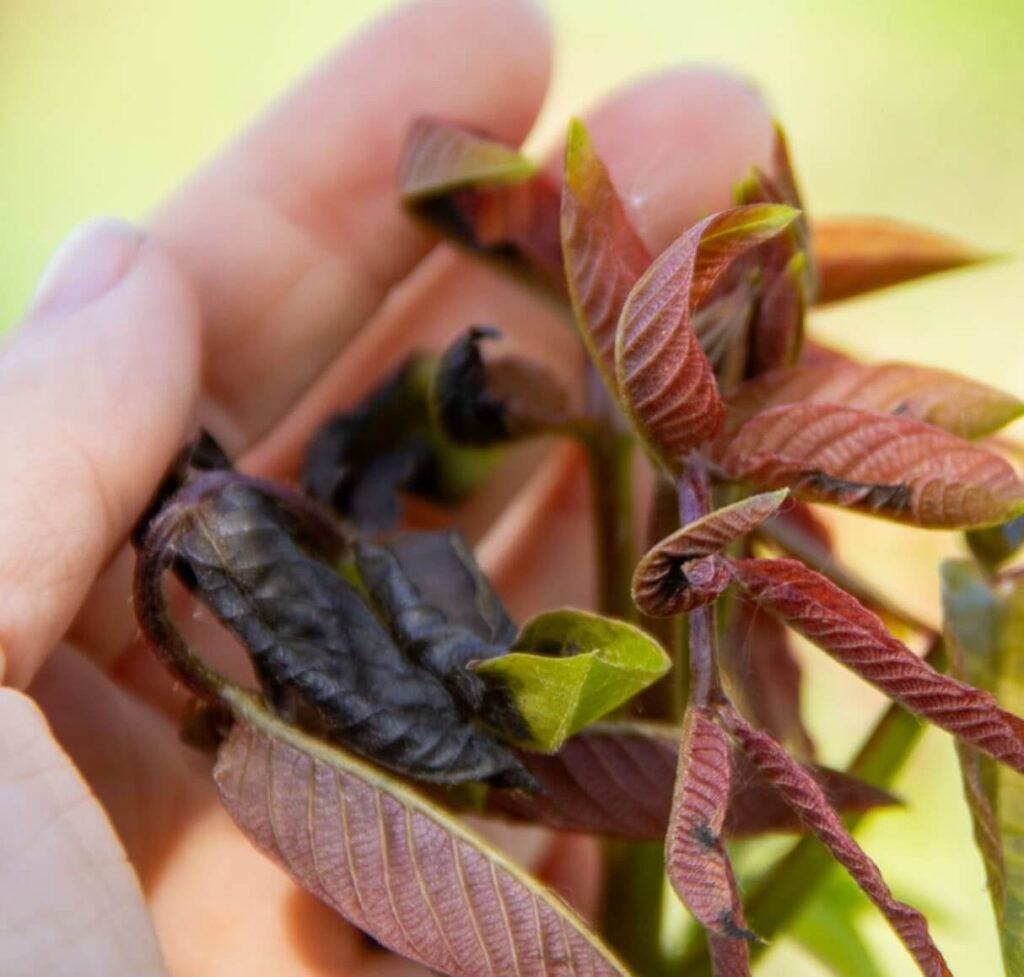
This happens when temperatures actually freeze the water inside plant tissues. Ice crystals pierce cell walls like tiny daggers. When the ice melts, cells rupture and die.
Frost injury can:
- Turn leaves mushy
- Crack stems
- Burst bark
- Kill roots
- Cause rapid leaf drop
- Damage fruit tissues
This is especially dangerous for:
🌴 Palms
🏵️ Orchids
🌿 Soft-stemmed perennials
🍋 Citrus and tropical fruit trees
🌸 Flower buds of early-spring bloomers
In both cases, low temperatures disrupt the plant’s internal water, sugar, and nutrient movement — which is why everything wilts, darkens, or collapses.
2. What Happens Inside the Plant? Leaf Discoloration, Ice Crusts & “Plant Hypothermia”
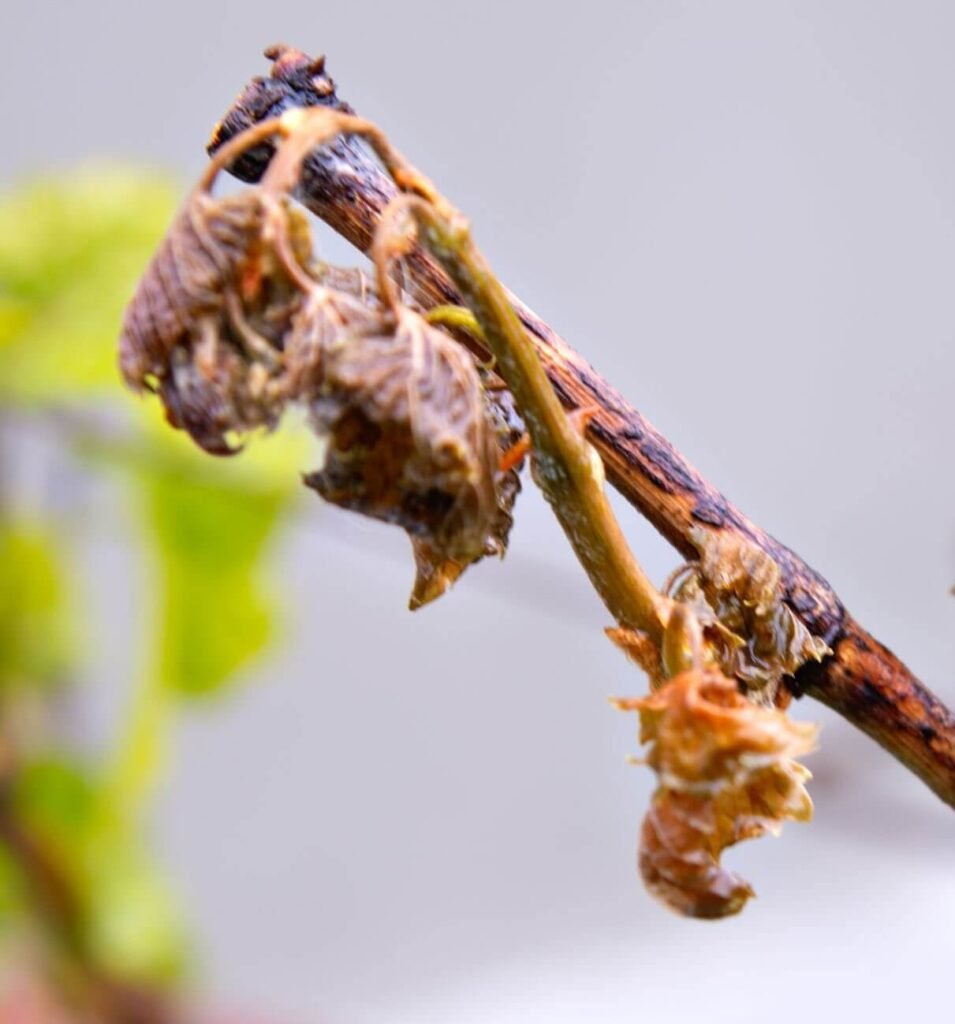
Cold stress affects every part of the plant — from leaves to roots. Even though the symptoms look dramatic on the outside, the real damage happens at the cellular level.
Leaf Discoloration & Wrinkling
Low temperatures destroy chloroplasts — the structures that give leaves their green color and power photosynthesis. As they break apart, leaves:
- Turn pale
- Yellow
- Bronze
- Purple (in some species due to anthocyanin buildup)
- Wrinkle or collapse
Slowed or Stunted Growth
Cold affects cell division. The plant can’t build new tissues, so growth halts completely.
Ice Crust on Leaves & Stems
This is the scariest visual symptom. When surface water freezes, it indicates that internal fluids are also freezing. Frozen sap expands, pushing against cell walls and causing cracking.
This is common in succulents, philodendrons, palms, and soft-stemmed tropicals.
Root Sluggishness & Rot
Cold soil prevents roots from absorbing water. Ironically, the plant dehydrates even while surrounded by moisture. To make things worse, cold + wet soil encourages root rot.
Flower & Bud Drop
Plants sacrifice flowers first when stressed — it’s their emergency survival strategy. Frost-damaged buds drop immediately.
Stem Cracking
This mostly affects trees and palms. Frost causes the water inside stems to expand, splitting woody tissue like a cracked pipe.
This symptom is severe and often irreversible.
3. High-Risk Plants & Hidden Dangers Most Gardeners Don’t Know
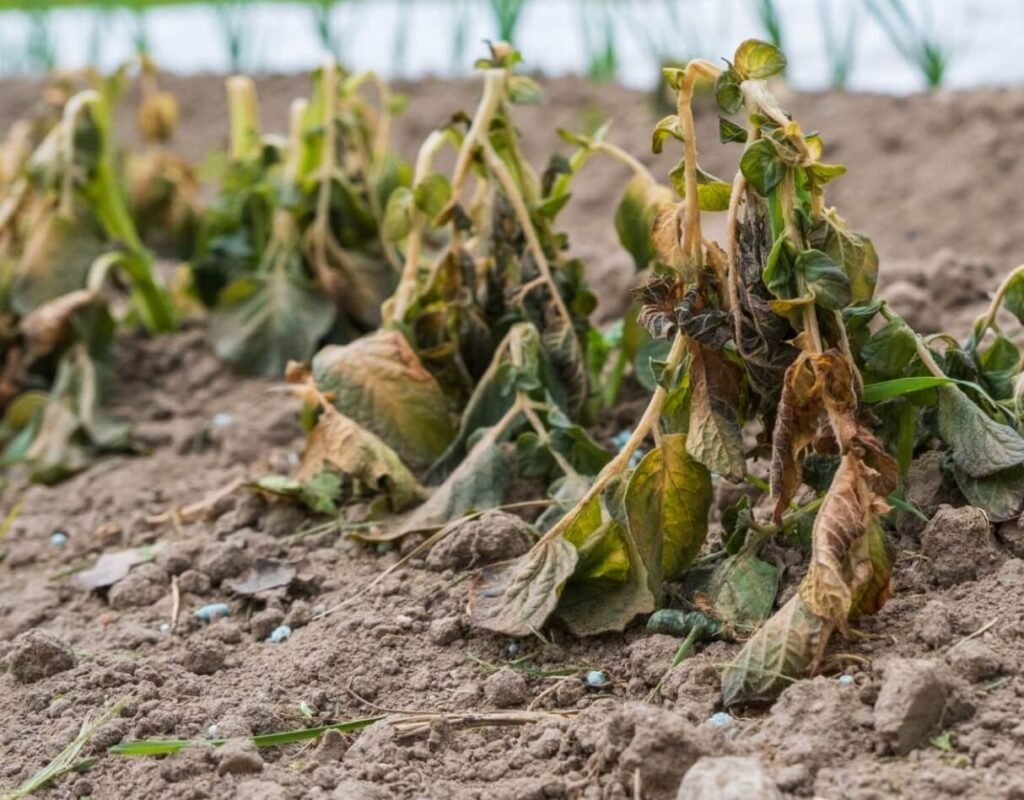
Some plants are cold warriors; others are drama queens. And tropical species? They’re the queens of drama when temperatures drop.
Most Sensitive Plants (High-Risk):
- Orchids
- Pothos
- Philodendrons
- Palms
- Bananas
- Bird of paradise
- Ferns
- Ficus
- Alocasia, Colocasia, Caladium
- Succulents (yes, many are cold-sensitive!)
Food Crops Easily Damaged by Frost:
- Tomatoes
- Peppers
- Basil
- Citrus trees
- Avocados
- Papaya
- Cassava
Sneaky Cold Triggers Most People Miss:
- Plants touching cold windows
- Drafts from AC units
- Overnight cold snaps
- Bringing plants home in winter without cover
- Cold floors (tile or concrete)
- Transporting plants in cold cars
- Sudden rain + nighttime cold (combination shock)
- High humidity + cold air (perfect chilling conditions)
Cold Stress Can Even Cause…
- Glassy-looking leaves
- Blackened leaf tips
- A sudden “transparent” appearance (classic frostbite)
Most gardeners mistake this for fungal disease — but it’s cold damage.
4. Guide to Preventing Chilling & Frost Injury (Your Plant’s Winter Survival Handbook)
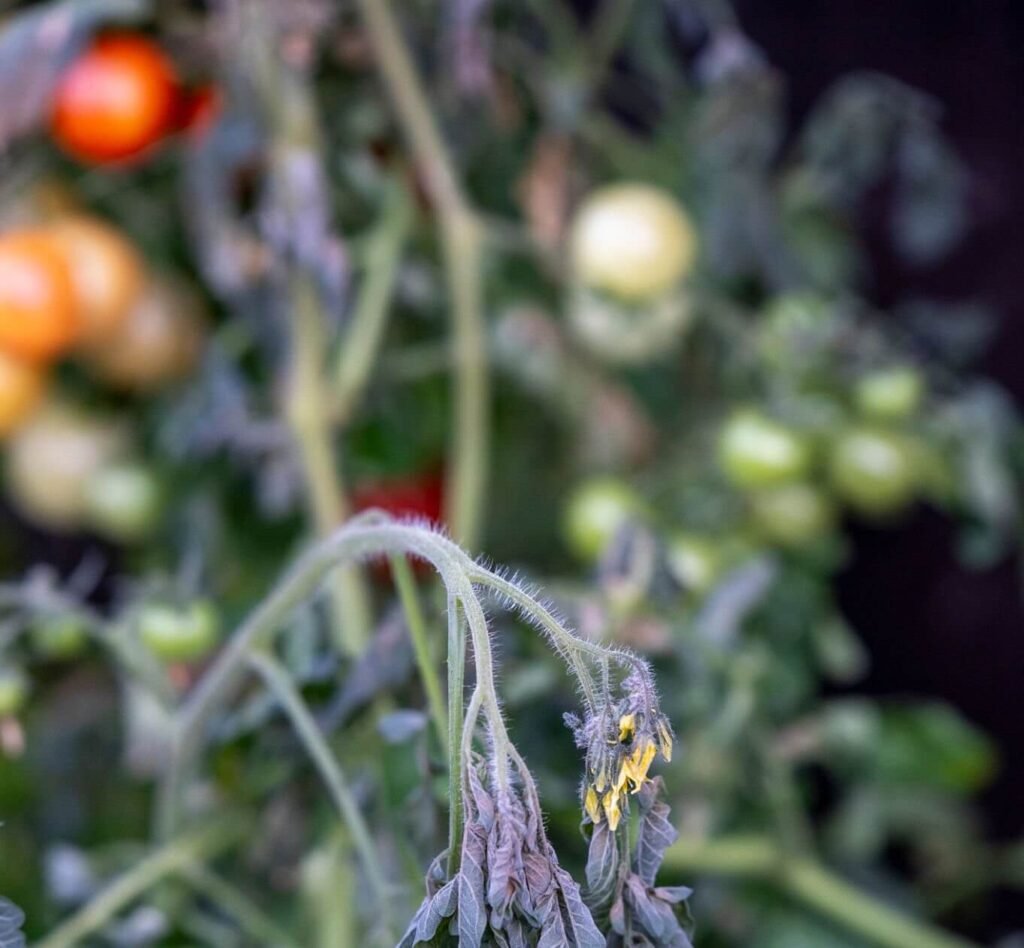
Protecting your plants from cold damage isn’t complicated — but it is strategic. Here’s your complete botanist-approved prevention guide with advanced + easy methods.
A. Know Your Plant’s Temperature Range (Your Protection Tool)
Every plant has a comfort zone. Some like it warm (pothos, palms), some like it cool (geraniums, cyclamen). Before buying a plant, check two key values:
- Minimum tolerance temperature
- Cold-shock sensitivity level
You can usually find this info on nursery tags or plant-care guides. Write these down or bookmark them — they matter more than watering instructions during winter.
B. Indoor Plant Protection Strategy
1. Keep plants away from cold windows
Leaves touching glass can freeze overnight.
Minimum distance: 10–20 cm (4–8 inches).
2. Avoid placing plants near drafty areas
That includes:
- Front doors
- AC vents
- Cracked windows
- Basements
3. Use insulating pots
Plastic pots retain warmth better than ceramic or terracotta in winter.
4. Raise plants off cold floors
Use:
- Plant stands
- Wood boards
- Thick saucers
Concrete or tile floors steal heat quickly.
5. Increase room warmth safely
- Run heaters indirectly
- Use thermal curtains
- Keep doors closed
- Warm the room, not the plant itself
C. Outdoor Plant Protection Strategy
1. Mulching
Mulch protects root temperature. Use:
- Wood chips
- Straw
- Pine needles
- Shredded leaves
Apply 2–4 inches around the root zone — never touching the stem.
2. Water Before Frost
Well-hydrated soil retains heat better than dry soil.
But don’t overwater!
3. Frost Cloths / Row Covers
These are garden lifesavers. They trap heat and block frost formation.
Use:
- Frost cloth
- Bedsheets
- Burlap
- Horticultural fleece
Never use plastic directly on leaves.
4. Bring Potted Plants Indoors
For borderline temperatures (35–45°F), move plants inside or into garages, porches, or greenhouses.
5. Use Heat Sources
- Candle heaters (in protected spaces only)
- Outdoor plant heaters
- LED shop lights (generate warmth)
- Incandescent Christmas lights (NOT LED)
D. Advanced Botanist Tips (Uncommon but Powerful)
1. Anti-Transpirant Sprays
These create a protective film that reduces moisture loss during cold exposure.
2. Choose Cold-Hardy Cultivars
Some species have cold-tolerant varieties bred for frost resistance.
3. Avoid Fertilizing Late in the Season
Late feeding encourages soft, tender growth that freezes easily.
4. Harden Plants Before Cold Weather
Gradually expose plants to cooler temperatures over a week — this dramatically boosts resistance.
5. Maintain Good Airflow
Cold + high humidity is the perfect recipe for chilling injury.
Air movement reduces this risk.
6. Use Thermal Mass
Place stones, bricks, or water jugs around outdoor plants to store daytime heat and release it at night.
Final Thoughts Winter Doesn’t Stand a Chance Against a Well-Prepared Gardener
Chilling and frost injury may sound dramatic, but with the right strategies, your plants can survive cold snaps like champions. Whether you’re protecting tropical houseplants or backyard fruit trees, a little planning makes all the difference. Think of yourself as your plant’s winter bodyguard — warm, watchful, and ready to act.
indoor gardening ideas
Some unique garden ideas should be your first choice Indoor Garden Ideas If you have…
Neem tree
Neem Tree Benefits Neem Tree In English The Persian phrase “Azad-darakht-i-Hindi” converts into Azadirachta, which…

Stevia
stevia leavesA plant-based sweetener from a species known as Stevia What Is Stevia? Know About…
Miltonia Orchids
Miltonia Orchid Care Table of Contents Add a header to begin generating the table of…

Plants Caring Tips During Winter
How to care for indoor plants during winter Table of Contents Add a header to…
Salads Leafy Plant:
Salads Leafy Plant Table of Contents Add a header to begin generating the table of…

Rosemary Plant
Rosemary Know About Rosemary: If you found an aromatic herb in your kitchen then It…

Clintro/Coriander
Cilantro/Coriander Table of Contents Add a header to begin generating the table of contents History…

Bearss Lemon
Bearss Lemon Tree Table of Contents Add a header to begin generating the table of…
Tomato
Know the Growing Result Of Tomato | Proper Guideline. Table of Contents Add a header…

Cherry Peppers
Cherry Peppers Do you Love cherry? Of course, I do love and It’s so yummy…

I am an experienced indoor gardener working happily
and successfully in this sector for about five years.
Thank You