indoor plant

Causes For Your Plant’s Yellow Leaves

Table of Contents
    Add a header to begin generating the table of contents
    Scroll to Top

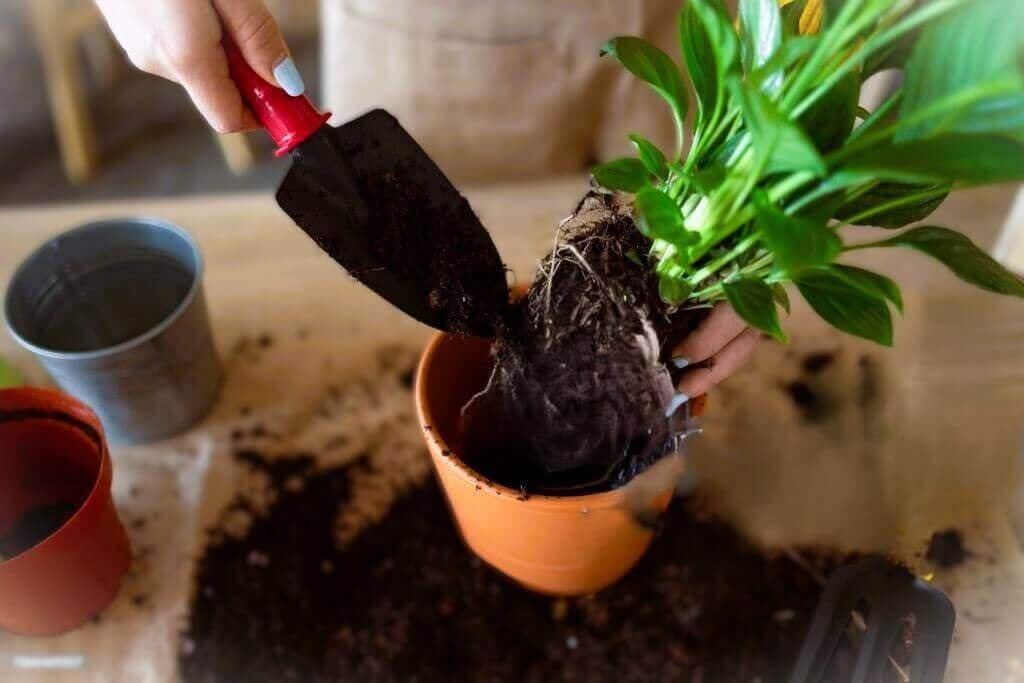
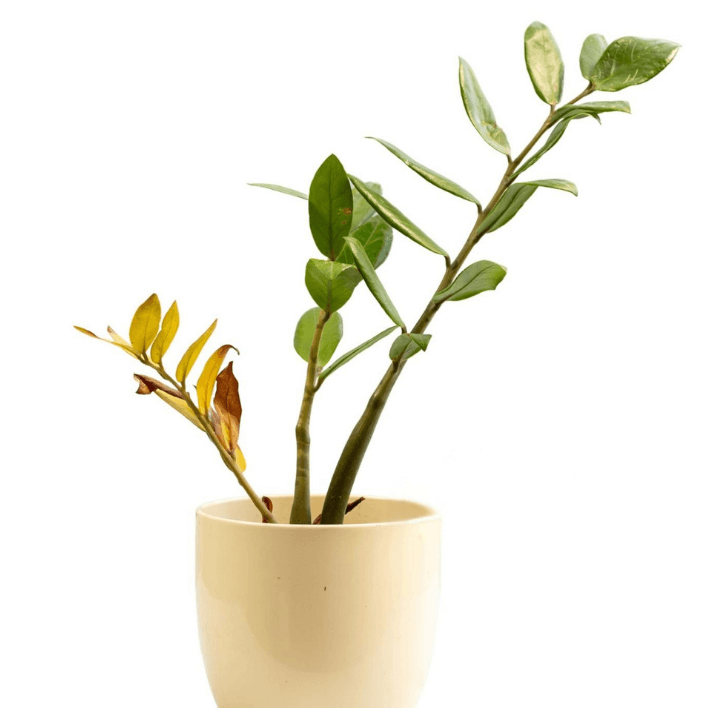
    Irregular yellowing with potential leaf deformities is usually caused either by a pest or a mineral deficiency. If no pests are visible, then this is likely caused by a mineral deficiency, usually calcium or boron. The solution is to fertilize once a month or repot your plant to provide fresh potting soil.

    indoor plant

    Why Do Leaves Turn Yellow?

    Yellow leaves on plants mean different things depending on the variety, and what other symptoms the plant is showing. Overwatering, underwatering, mineral deficiency, temperature stress, and so on can all be the cause. Identifying the specific symptoms your plant is showing can help you determine the cause and take appropriate action.

    How to Fix Yellow Leaves?

    winter tips

    Below, we go into the solution to get rid of yellowing leaves by first identifying the symptoms displayed by the plant which can help pinpoint the cause.
    •  Yellow  leaves,
    • Curling,  and
    • Drooping

    If you notice your plant has yellow leaves that are curling inwards and the soil is dry to the touch, it’s likely under-watered. You might also see older leaves falling off. To fix this, the solution is to water your plant.

     
    •  Yellow Leaves  
    • Fading to Green or 
    • Turning BrightYellow

    Are the leaves turning bright yellow and is the soil wet? You might even notice blackened stem bases or fungus gnats. This is a sign of overwatering. You can correct this by letting the soil dry out or repotting the plant in dry soil.


    What Are
    Fungus Gnats? 

    Tiny bugs that look like fruit flies. They seem to come out of nowhere and all at once. As grubby larvae, fungus gnats eat the fungi that live in your soil. Fungus gnats love moist soil because that’s where fungus grows. Since there’s an abundant food source, fungus gnats will breed and make your plant their new home.

    Why Are Your

    Plant’s Leaves

    Turning Yellow?

    15 Real Causes  :

    How to Fix

    The Expert Guide

    You wake up, check your plant, and BAM,  yellow leaves.
    Not brown. Not crispy. Just… suspiciously yellow.
    Cue panic. Cue Google. Cue “Am I a bad plant parent?”

    Relax. Yellow leaves are not betrayal, they’re messages. Your plant is texting you in color, and today we’re decoding every single reason why.

    First os all:

    Causes of Yellow

    Leaves Include

    Common and

      Uncommon,

    Explained Simply

    1. Overwatering

    Most Common

    Killer

    Roots need oxygen. Too much water = suffocated roots = yellow leaves.
    Often paired with soggy soil and sad vibes.

    2. Underwatering

    Dry soil means roots can’t deliver nutrients. Leaves yellow, then crisp.

    3. Natural Aging

    Old leaves retire first. If only the bottom leaves yellow, congrats, that’s normal.

    4. Nitrogen Deficiency

    Nitrogen keeps leaves green. Low nitrogen = pale yellow leaves, slow growth.

    5. Iron Deficiency

    Hidden Chlorosis

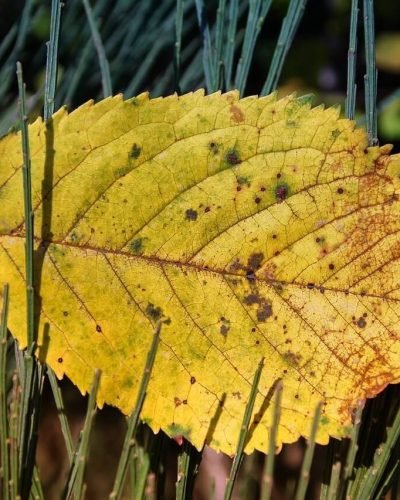
    Leaves turn yellow, but veins stay green — classic iron issue.

    6. Poor Drainage

    Even perfect watering fails if water can’t escape the pot.

    7. Root Bound

    Stress

    Roots trapped in tight pots can’t absorb nutrients, resulting in yellowing.

    8. Sudden

    Temperature

    Changes

    Cold drafts, heat waves, AC vents, and plants hate surprises.

    9. Too Much

    Direct Sunlight

    Leaves bleach yellow before burning. Especially common in shade plants.

    10. Too Little Light

    Without enough light, plants stop producing chlorophyll.

    11. Pests Stealing

    Nutrients

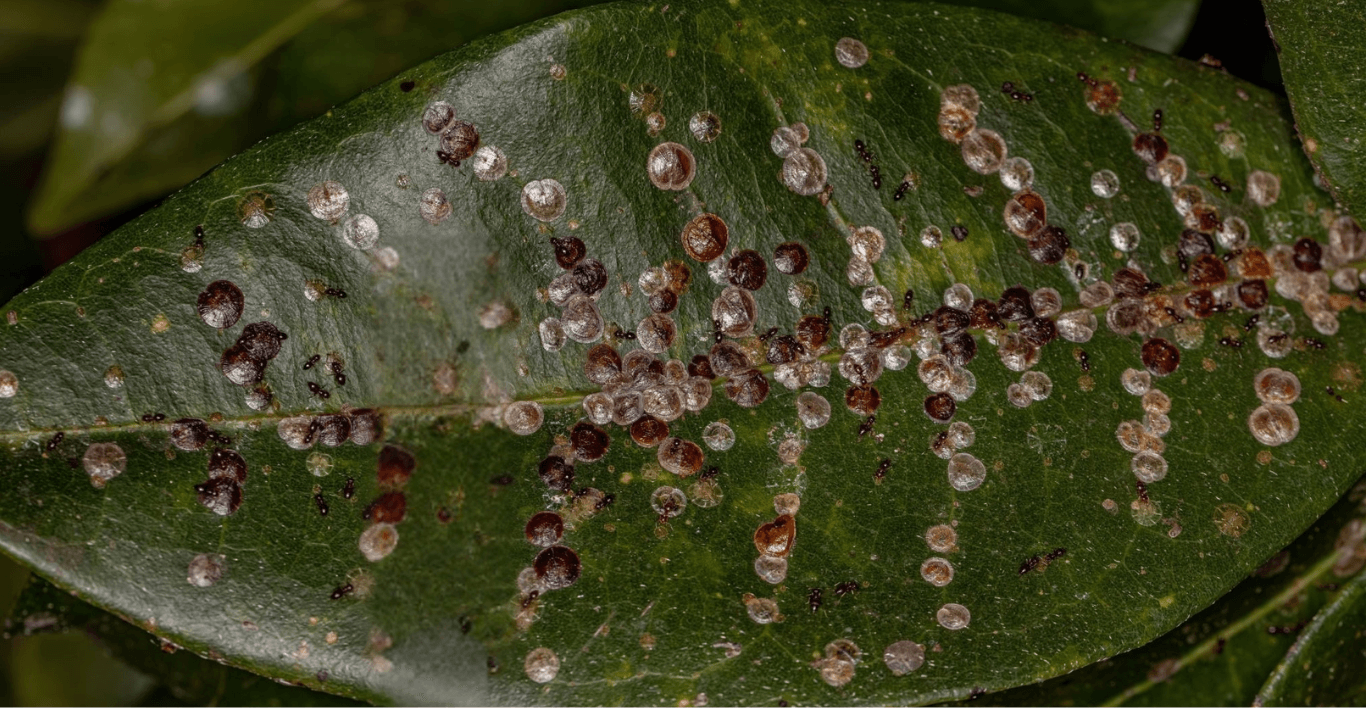
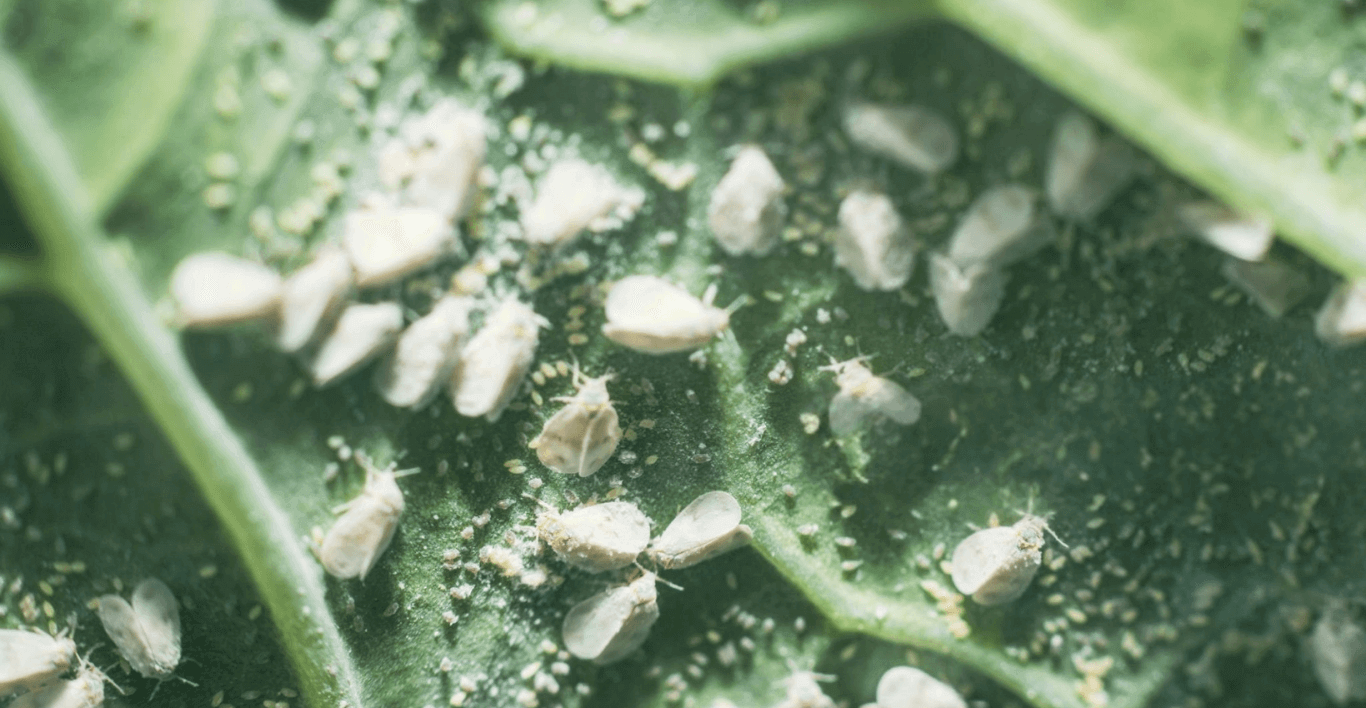
    Spider mites, aphids, and thrips quietly drain sap yellow speckles.

    12. Fungal or

    Bacterial Root

    Problems

    Root rot or infections disrupt nutrient flow.

    13. Soil pH

    Imbalance:

    Uncommon but

    Important

    Wrong pH locks nutrients in soil — roots can’t absorb them.

    14. Chemical

    Sensitivity

    Tap water chlorine, fluoride, or fertilizer buildup causes yellow tips.

    15. Stress After

    Repotting or

    Moving

    Plants sulk after changes. Temporary yellowing is common.

    Second of All:

    How to Prevent

    Yellow Leaves:

    Expert Guide

    That Actually

    Works

    This is where smart plant parents are made. Let’s fix yellow leaves before they happen.

    1. Master Watering

    It’s About

    Timing, Not

    Schedule

    Forget “water once a week.”
    Water when the soil tells you to.

    • Stick your finger 2 inches into the soil
      Water only when the top layer is dry
    • Drain excess water every time

    Pro tip:
    Heavy pots and slow drying mean an overwatering risk.

    2. Choose the Right

    Pot & Drainage

    A beautiful pot with no drainage is a plant trap.

    •  Always use drainage holes
    • Use a saucer — but empty it
    •  Add perlite or sand to soil for airflow

    Roots need oxygen as much as water.

    3. Feed Smart,

    Not Heavy

    Overfertilizing causes nutrient burn that looks like yellowing.

    • Use diluted fertilizer (½ strength)
    • Fertilize only during active growth
    •  Stop feeding in winter

    Nitrogen means green leaves
    Iron means green veins
    Magnesium means chlorophyll helper

    4. Match Light to

    Plant Personality

    Not all plants want sunbathing privileges.

    • Bright indirect light for most houseplants
    • Rotate plants weekly
    • Use sheer curtains for strong sun

    Yellow and stretched stems indicate low light
    Yellow with scorched edges indicates too much sun

    5. Control

    Temperature &

    Drafts

    Plants hate temperature drama.

    • Keep away from AC/heater vents
    • Avoid cold windows in winter
    • Maintain stable room temps

    Cold shock often causes sudden yellowing overnight.

    6. Improve Soil

    Health: Roots

    Rule Everything

    Healthy soil is equivalent to green leaves.

    • Use well-aerated potting mix
    • Refresh topsoil every 6 months
    • Avoid compacted soil

    Add:

    • compost

    • worm castings

    • coco coir

    7. Check Roots Regularly

    Roots tell the truth.

    • White/cream roots are healthy
    • Brown/mushy roots are  rot
    • Circling roots is root-bound

    Repot only when roots fill the pot — not “just because.”

    8. Prevent Pest Attacks Early

    Yellow speckles = sap thieves.

    • Inspect under leaves weekly
    • Wipe leaves monthly
    •  Use neem oil preventively

    Early pest control saves leaves.

    9. Balance Humidity

    Dry air stresses leaves.

    • 40–60% humidity for tropical plants
    • Use pebble trays or humidifiers
    •  Avoid misting excessively

    Too dry = yellow tips
    Too humid = fungal issues

    10. Fix Soil pH:

    Advanced but Powerful

    Wrong pH blocks nutrients.

    • Most plants prefer pH 6–7
    • Use pH-balanced water
    • Add compost to stabilize soil

    Iron deficiency often hides in high-pH soil.

    11. Flush Chemical

    Buildup

    Tap water, salts, and fertilizer residue cause yellowing.

    • Flush soil with distilled water every 2–3 months
    • Let water drain completely

    This resets soil chemistry.

    12. Be Gentle After

    Repotting

    Post-move stress is real.

    •  Keep light moderate
    • Skip fertilizer for 2–3 weeks
    • Maintain consistent watering

    Yellow leaves after repotting ≠ failure.

    13. Prune Strategically

    Remove fully yellow leaves.

    • Clean tools
    • Cut at base
    • Don’t remove more than 20% at once

    This redirects energy to healthy growth.

    14. Respect Dormancy

    Some plants rest seasonally.

    • Slower growth = less water needed
    • Yellowing during dormancy can be normal

    Fighting dormancy causes stress.

    15. Learn Your

    Plant’s Native

    Habitat:

    Uncommon but

    Genius Tip

    Plants behave based on where they evolved.

    • Rainforest plants:
      High humidity
    • Indirect light

    Desert plants:

    • Fast drainage
    • Bright light

    Match nature → fewer yellow leaves.

    Most Important:

    Yellow Leaves

    Are Teachers,

    Not Enemies

    Yellow leaves don’t mean you failed; they mean your plant is communicating. Once you understand the cause, prevention becomes easy, logical, and surprisingly satisfying.

    Plants aren’t fragile. They’re honest.

    autumn-437769_1280
    leaf-3264138_1280
    plants tips
    rose-leaves-733739_1280

    Related Post

    best indoor house plants

    HOME

    Read More →

    ABOUT

    Read More →
    indoor gardening herbs planter

    BLOG

    Read More →
    philodendron

    YARD OF VIRIDITY

    Read More →
    Lemon Lime

    Philodendron Heart Leaf

    Read More →
    indoor herb gardening for beginners

    Money Trees

    Read More →
    nature

    Philodendron Hederaceum

    Read More →
    Sansevieria-patens-snake-plant_480x480

    Snake Plants

    Read More →
    wetint

    Mint Leaves

    Read More →

    peace lily

    Read More →

    LUCKY BAMBOO

    Read More →
    how to propagate aloe vera without roots

    ALO VERA

    Read More →

    SPIDER PLANT

    Read More →
    aglaonema-7301075_1280

    Dieffenbachia 

    Read More →
    How to make rosemary water for hair

    CULINARY HERBS

    Read More →
    red palm tree

    Areca Palm Plant

    Read More →

    RED PALM PLANT

    Read More →
    fan-palm

    FAN PALM

    Read More →
    bird's nest fern

    BIRD’S NEST FERN

    Read More →
    flower

    MUSA TROPICANA

    Read More →
    CLSTLIRN

    Large Cast Iron Plant

    Read More →

    Rubber Indoor Plant

    Read More →
    indoor plant

    ZZ Black Plant

    Read More →

    Monstera

    Read More →
    leaf-3264138_1280

    Causes Of Yellow Leaves

    Read More →
    care of houseplants in winter

    Winter Plant’s Tips

    Read More →
    Large Fiddle Leaf Fig Tree

    Fiddle Fig Tree

    Read More →
    indoor plant

    Orchid

    Read More →
    indoor plant

    Aglaonema

    Read More →
    Ficus Lyrata

    Ficus Lyrata

    Read More →
    indoor plant

    Calathea Orbifolia

    Read More →
    indoorplant

    baby rubber plant

    Read More →
    Plants for a Winter Garden in the California BayArea

    Benefit To Know

    Read More →

    jade plant

    Read More →
    indoor plant

    Peperomioides

    Read More →
    indoor plant

    Coffee Arabica

    Read More →
    croton-plant-8579744_1280

    Croton or Codiaeum

    Read More →
    indoor plant

    Imperial Red 

    Read More →
    Basic-hydroponic

    Hydroponic System

    Read More →
    indoor-trpical

    Green Corner

    Read More →
    hibiscus

    ORANGE HIBISCUS

    Read More →

    Contact Us

    Read More →
    aparajita flower

    Aparajita Plant

    Read More →
    cat friendly indoor garden

    Indoor cat gardening 

    Read More →
    mushroom is a fruit or vegetable

    mushroom-vegetable

    Read More →
    lemon grass; thai an restaurant; lemongrass plan; lemon grass plant;

    lemon grass

    Read More →
    aromatic jui flower

    aromatic jui flower

    Read More →
    FloweringHouseplant

    grow-bromeliads-indoors

    Read More →
    how to care for a bamboo tree

    bamboo tree

    Read More →
    Oldenlandia corymbosa

    oldenlandia corymbosa

    Read More →
    lithops-Lithops spp. (Living Stones)
    identifying rare or unusual plants

    Read More →
    zz plant spider mites

    identify healthy vs unhealthy plants

    Read More →
    rubber plant leaf problems pictures

    plant problems diagnosis

    Read More →
    Yellow rust control

    plant disease diagnosis

    Read More →
    Common pests include aphids, mint bud mites, cutworms, tobacco caterpillars, citrus mealybugs, and flea beetles

    plants common pests-insect-bug-identify

    Read More →
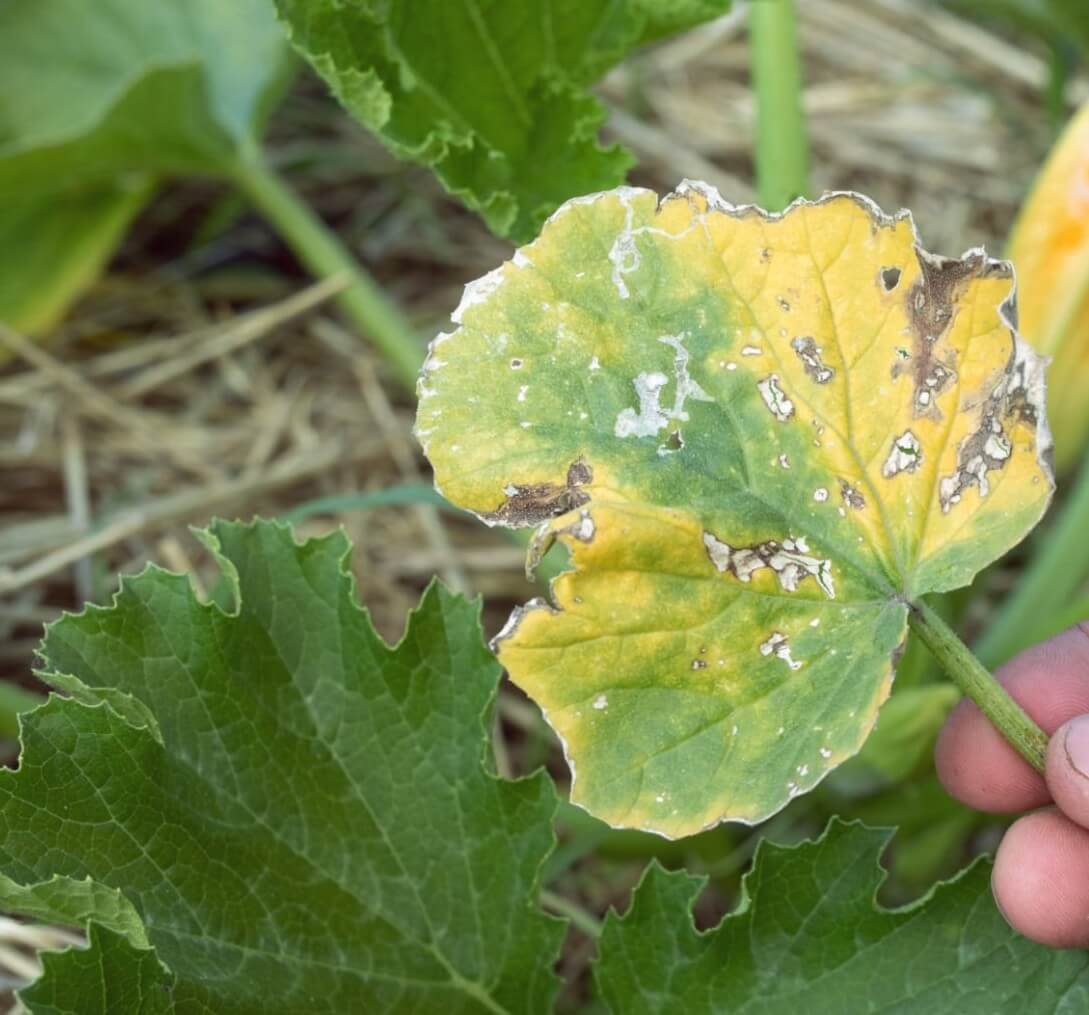
    what causes shot hole disease in plants

    diseases/plants-shot-hole

    Read More →
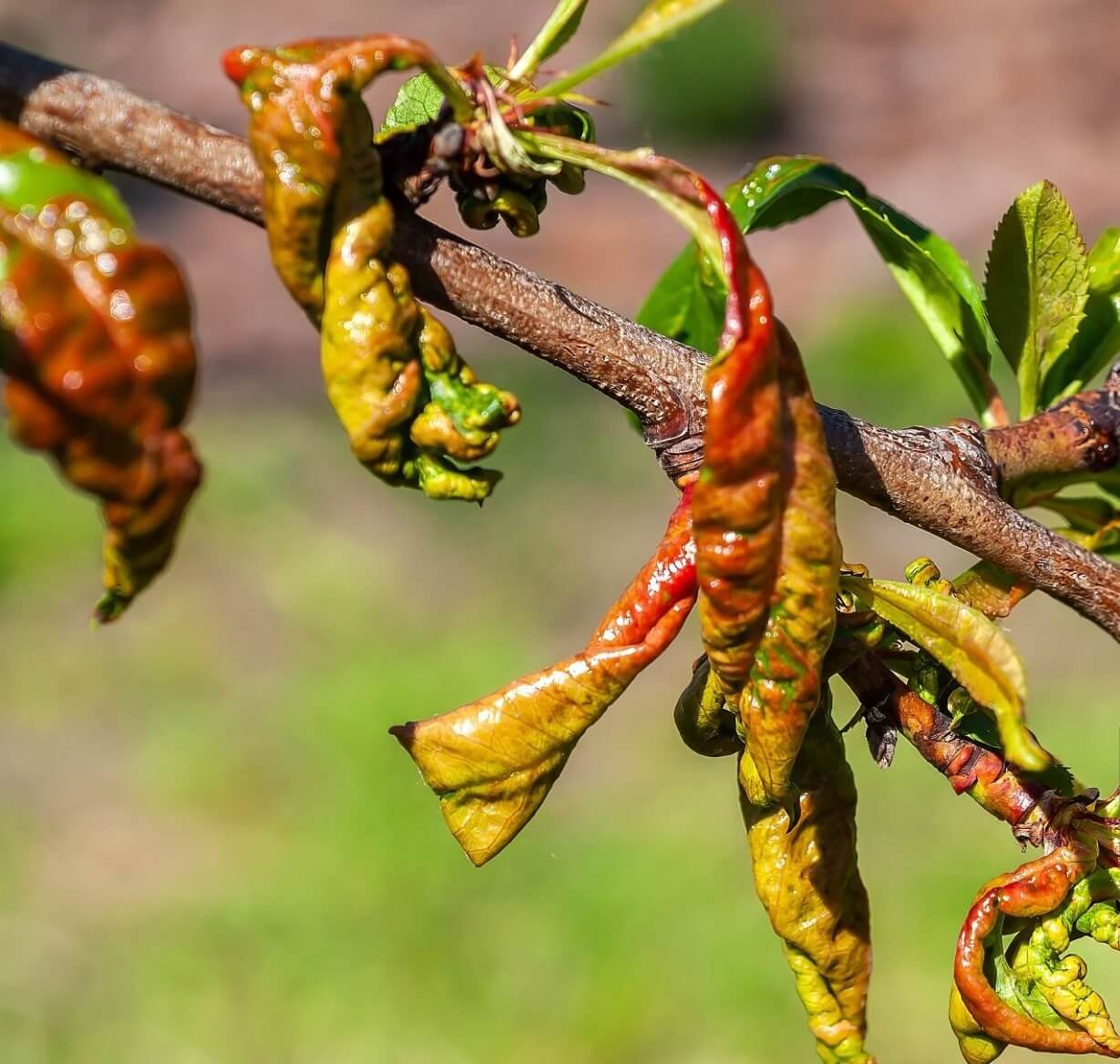
    peach leaf curl symptoms

    diseases peach-leaf-curl

    Read More →
    nutrient toxicity in plants

    diseases nutrient-excess

    Read More →
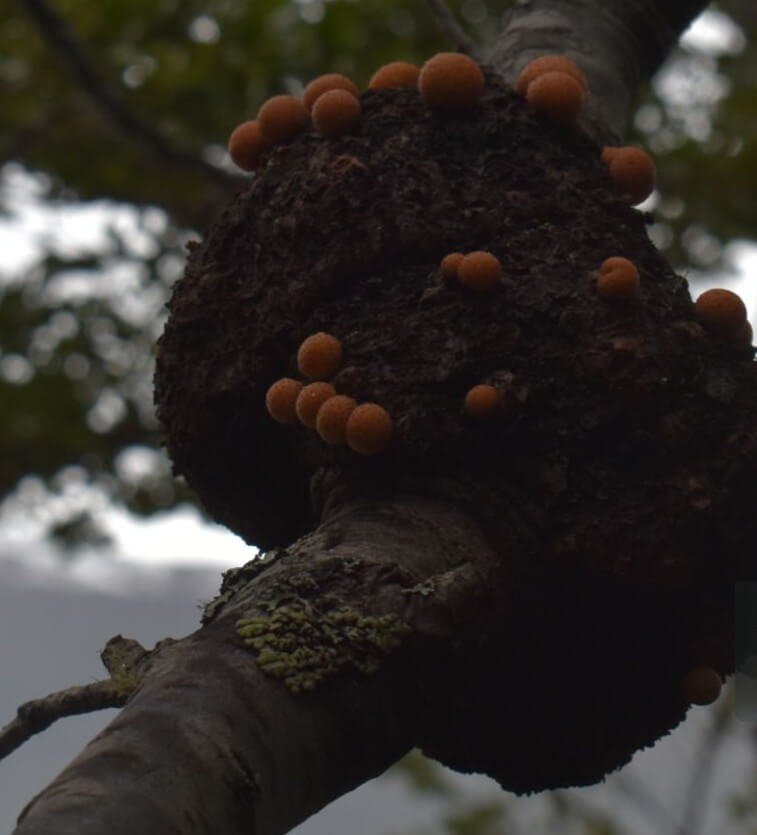
    what plants does black knot affect

    diseases black knot

    Read More →
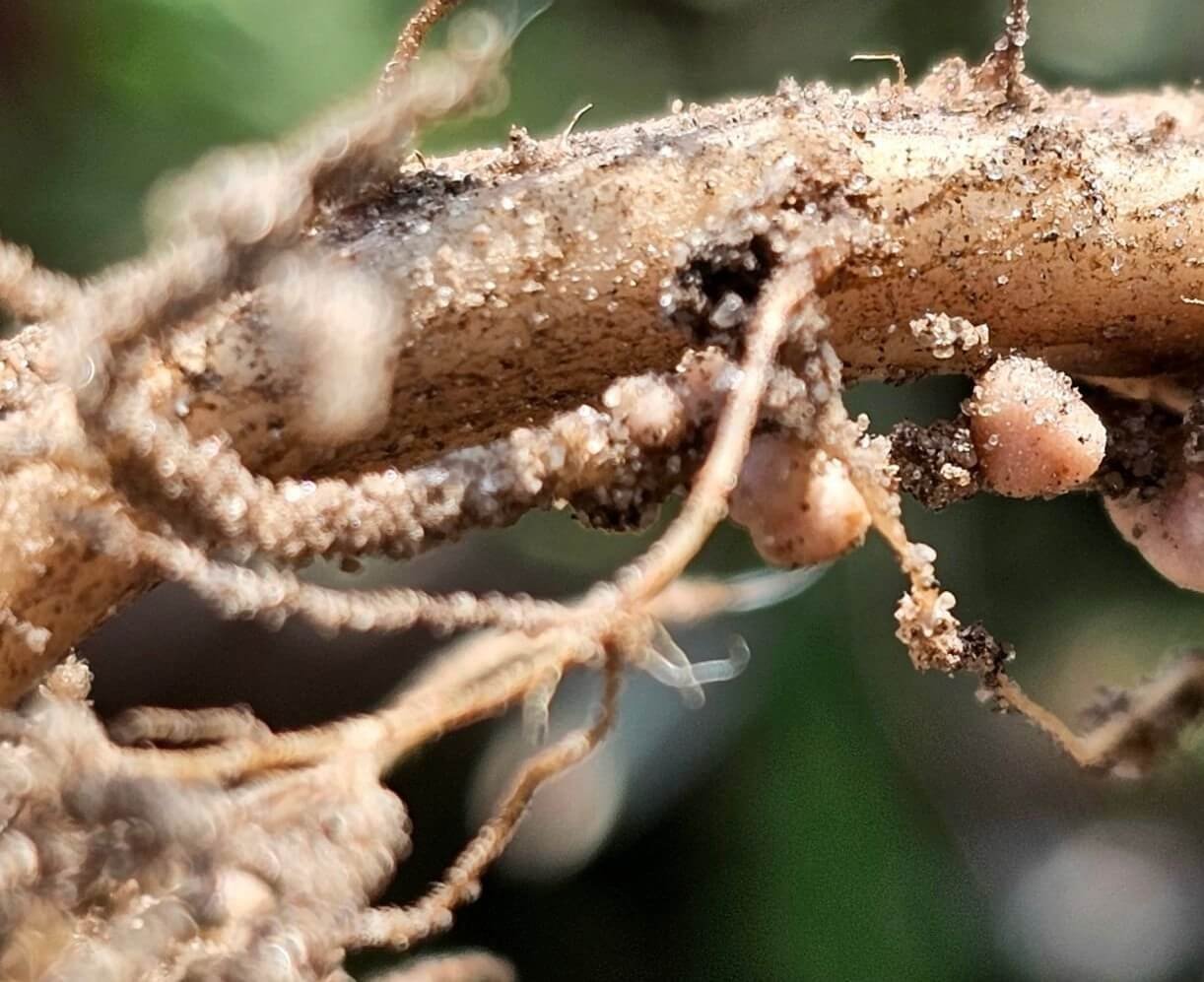
    plant parasitic nematodes (2)

    diseases plants nematodes

    Read More →
    About Author
    Scroll to Top