
Need To Know
How To Care Houseplants If Feel Chill Or Dry
Table of Contents
Add a header to begin generating the table of contents
Scroll to Top
Bringing the Indoors in with houseplants is an easy way to mitigate the winter blues. In this article, we’ll cover our tips for caring for indoor plants during the winter time.

ONE: If it feels like we rarely see the sun in the winter, that’s because it sets earlier, is lower in the sky, and is often covered with clouds. Make sure your houseplants are getting enough light during this time. Most plants will adjust to the seasonal change in their current spot, while others might need to be moved closer to their light source, the window, to receive more light. If plants are visibly leaning towards the window, gradually rotate them every few days to help them straighten out. If plants have spindly new growth, move them closer to the sill. You can also consider adding supplemental lighting to your space with a grow light.
TWO: Be Mindful of the Temperature
An extreme change in temperature, or draft of cold or warm air, can cause indoor plants, used to somewhat stable conditions, to stress out. Keep your plants away from open windows and front doors, as well as heating units and radiators (which can quickly dry them out). Some plants are more sensitive to the cold than others but if you’re feeling the chill, chances are, your plants are too. Most common varieties of houseplants prefer temps around 75°F.
THREE: Embrace Dormancy
Feel sleepy in winter? Plants do too—thanks to shorter days and less sun. Many plants even go into a state of dormancy or semi-dormancy in the winter months. And since plants only take up water based on the amount of light they receive, this will change how much you should water your plants. You will find yourself watering less often than you did in the spring/summer growing season. For most plants, you will want to wait until the potting soil has dried out completely before watering again. You can also wait for visible signs of thirst to show like wrinkling leaves for succulents or drooping stems for tropicals, paired with dry soil.
When Feeling Chill or Dry: Pro-Approved Tips to Help Your Indoor Garden Thrive in the Cold Season
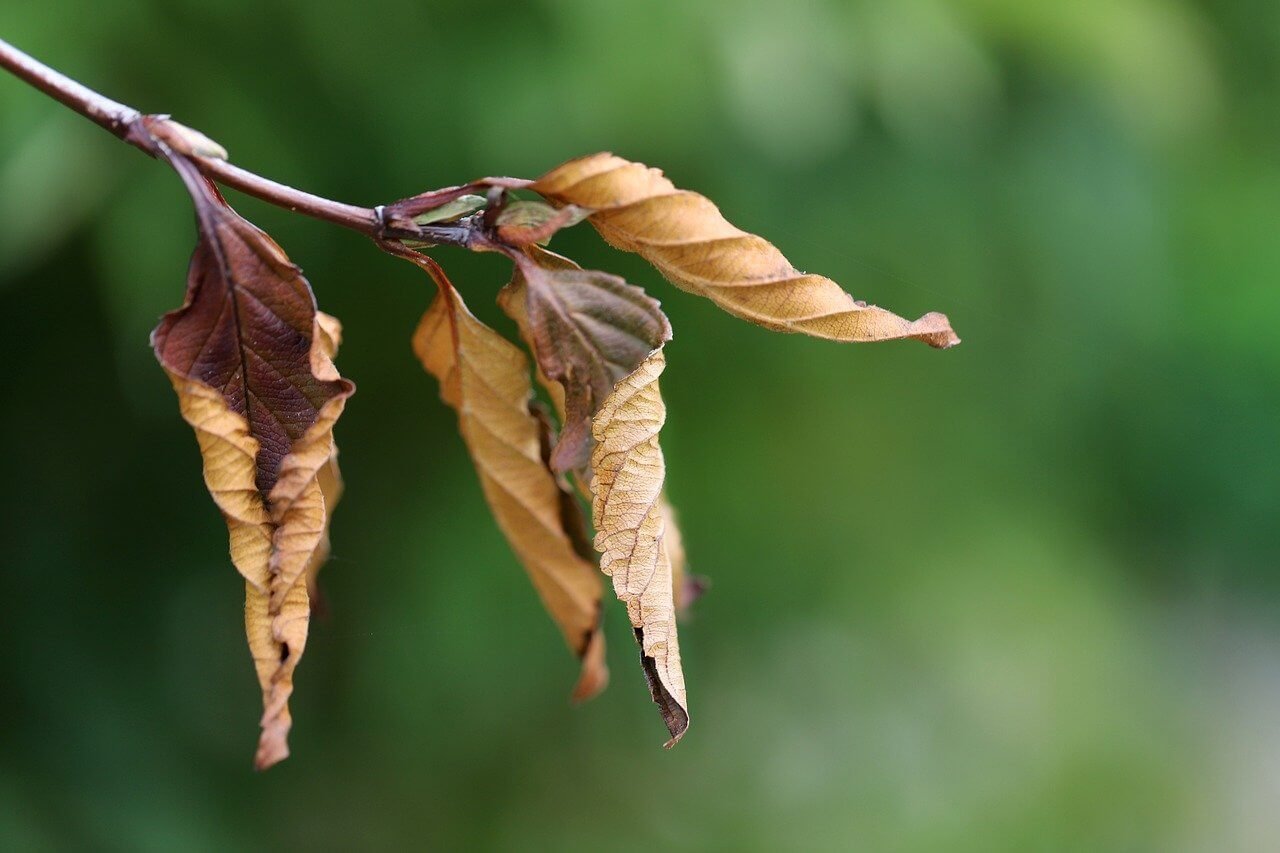
As winter wraps its chilly arms around your home, it’s easy to notice your beloved houseplants showing signs of stress—crisp, brown, or drooping leaves are common symptoms of dry indoor air. But don’t worry! With a few smart adjustments to your plant-care routine, you can shield your green friends from winter’s harshest effects and keep them lush, vibrant, and healthy all season long. From boosting humidity to strategic watering, here are eight expert tips to ensure your indoor oasis survives—and flourishes—through even the coldest months.
1. Boost Indoor Humidity for Tropical Plants
Many tropical species, such as pothos, monsteras, and philodendrons, require higher humidity levels to keep their leaves from drying out. With indoor air often becoming dry and stuffy due to heating systems, it’s essential to create a microclimate around your plants. Using a pebble or humidity tray is a simple and effective trick—fill a shallow dish with small stones, add water until it fills the gaps, then place your plant pot on top. As water evaporates, it naturally raises humidity levels right around your plants, preventing leaf-tip browning and dehydration. For even better results, consider using a dedicated humidifier or grouping plants together; shared moisture helps maintain a cozy, humid environment that tropical plants love.
2. Regulate Watering and Fertilizer During Winter Dormancy
Unlike summer when plants actively grow and need frequent watering, winter plants often enter a resting phase, making overwatering a common mistake. Excess moisture can lead to root rot and other diseases, while under-watering can cause leaves to shrivel and fall. The key is to check soil moisture regularly and water only when the top inch feels dry. Fertilizing should be minimal or paused altogether during this dormancy period—feeding stimulates growth, which is unnecessary now and could cause skeletal, spindly stems. Resume nourishing your plants when new growth appears—usually in spring—using a balanced, diluted fertilizer.
3. Keep Your Plants Away from Heat and Drafts
Heating appliances like space heaters, fireplaces, and radiators are essential comforts, but they can dehydrate your houseplants and scorch their delicate leaves. To prevent such damage, move plants away from direct heat sources and drafty windows. Ensure they’re placed in stable environments with steady temperatures typically between 65-75°F, where they won’t suffer from rapid moisture loss. Remember, sudden temperature shifts cause stress—your plants will thank you for a cozy, draft-free nook.
4. Water Deeply and Effectively
Deep watering is often overlooked but is crucial during winter when watering frequency drops. Instead of quick, light watering, give your plants a thorough soak—pour water slowly until it drains from the pot’s bottom, ensuring roots receive enough moisture. If your pots tend to dry out quickly or develop hydrophobic soil, soak the plant in a sink or tub, letting it stand for about 20 minutes. This allows the soil to absorb water evenly, preventing dry patches and encouraging strong root systems that support healthy growth.
5. Group Plants to Create a Microclimate
Arranging your houseplants in clusters boosts local humidity by concentrating moisture through transpiration and evaporation. Using shared pebble trays or humidifiers within these groups amplifies the effect. Placing moisture-loving plants close together enhances their natural environment, much like a mini rainforest in your living room. Just remember to keep water-sensitive plants—like succulents—separated in more arid spots to suit their needs.
6. Optimize Placement for Light and Temperature
As daylight hours shrink in winter, reposition your plants near south or west-facing windows where they can soak up as much indirect sunlight as possible. Be cautious of cold drafts and icy windowpanes; if your home’s cold windows threaten your plants, insulate or use sheer curtains to diffuse harsh light and insulate from the chill. Adequate light encourages steady growth and prevents legginess, keeping your indoor garden happy and vibrant.
7. Avoid Over-Misting and Monitor Air Quality
While misting can temporarily boost humidity, it’s often ineffective unless done frequently—and it can promote mold or fungal issues if overdone. Keep in mind that increasing humidity through other methods, like a humidifier or grouping, is more sustainable. Also, good air circulation reduces mold and mildew risks. Consider adding an air purifier to help remove pollutants, keeping both your home environment and plants healthier throughout winter.
8. Recognize Warning Signs and Seek Expert Advice When Needed
Watch your plants closely—drooping leaves, yellowing tips, or fuzzy growth can indicate underlying issues such as dehydration, pest presence, or disease. In case problems persist or seem complex, online plant communities like Reddit’s r/houseplants or digital plant clinics are invaluable sources of help. Share clear photos and detailed symptoms to receive tailored advice from passionate plant enthusiasts and botanists alike.