

All problems : Common Pests | Disease-Diagnosis
Let’s identify plants’ problems
Your Plants Are Plotting Against You… or Are They? A Botanist’s Guide to Spotting Trouble Before It Strikes: Diagnose and Protect Your Houseplants Like a Pro
Ever feel like your houseplants are secretly staging their own drama? As a botanist, I promise plants aren’t intentionally dramatic. They’re just trying to tell you something sometimes with a yellow leaf, other times with a full-on meltdown.
If you’ve ever been puzzled by sick or dying houseplants, you’re not alone! Whether you’re just starting or a seasoned gardener, plants can sometimes get “under the weather” for sneaky reasons. Understanding the root causes and catching problems early is key to keeping your green friends healthy and vibrant. Plant issues generally fall into three categories: diseases, environmental challenges, and pesky invaders. Let’s break down how to recognize and diagnose plant problems like a true plant detective, using practical tips backed by botany.
What’s Behind Your Plant’s Poor Health? Common Problems Explained
Plant diseases are a major cause, leading to leaves wilting, discoloring, or dropping prematurely. They stem from pathogens like fungi, bacteria, viruses, or mold that disrupt your plant’s normal function and tissue structure. Some familiar foes include powdery mildew, a white powder coating leaves and rust spots, which appear as orange or brown pustules. Root diseases, often caused by overwatering or poor drainage, can lead to mushy stems and root death. Detecting such diseases early means looking out for unusual leaf spots, wilting, or browning tips.
Apart from diseases, plants also face environmental stressors that impact their immunity. Too much or too little light, irregular watering habits, improper soil pH, or even pot size can cause nutrient imbalances that weaken plants. Temperature fluctuations or stagnant air can also play a role. Each species thrives under specific conditions; knowing those “sweet spots” is vital for optimal growth and defense.
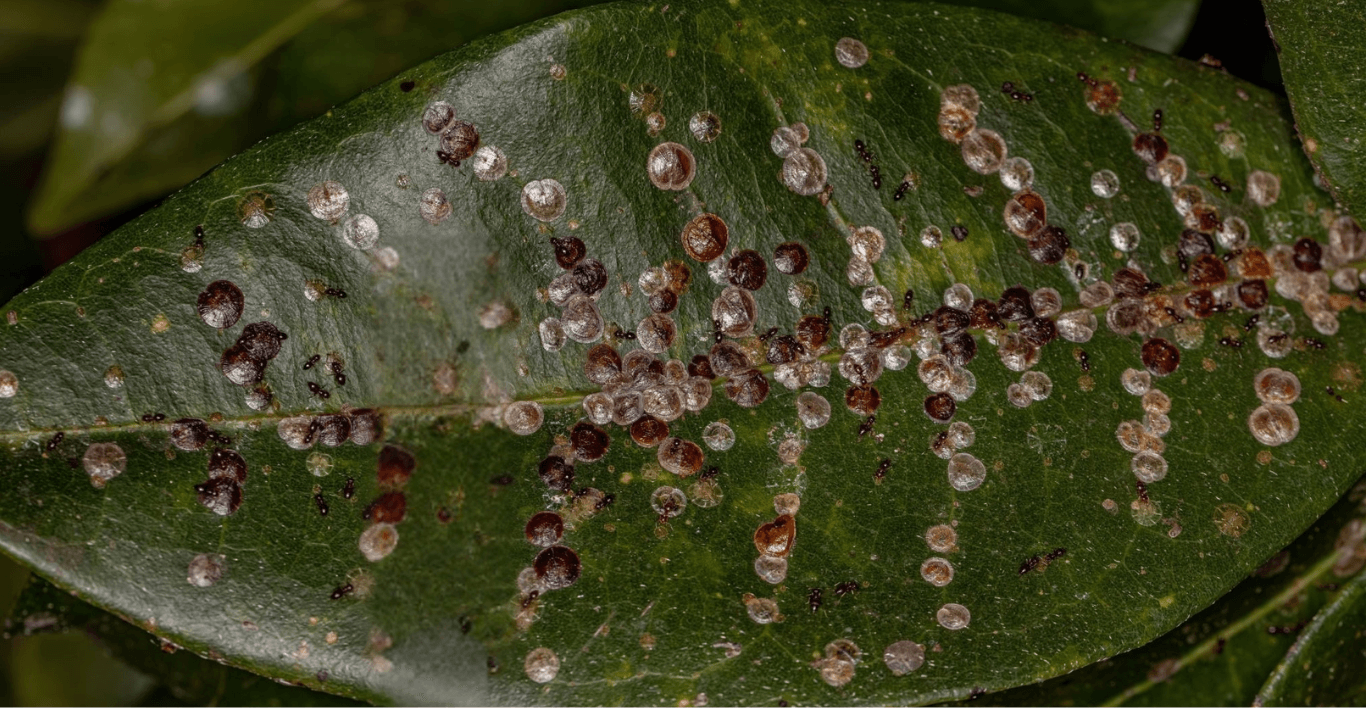
Last but definitely not least are plant pests and invasive species. These include aphids, mealybugs, spider mites, and various vine-like invasive weeds that compete for nutrients and damage leaves. Some pests leave tiny holes in foliage, while others leave sticky residues or webbing. Vigilance is key; spotting these intruders early allows timely control and protects your plants from severe damage.
How to Become a Plant Problem Detective: Diagnosis Tips That Work
Detecting plant health issues starts with attentive observation. Monitor your plants regularly for any leaf discoloration, spotting, holes, or unusual textures are clues worth noting. Don’t just glance examine leaves’ upper and undersides, stems, and even soil surface meticulously.
Knowing your plant’s name is surprisingly important. Different species are susceptible to different diseases and pests, so correctly identifying them helps narrow down the potential problems. Use plant ID apps or garden books as handy companions.
Look closely at the leaves: holes often hint at insect activity, browning edges might suggest watering irregularities, and fuzzy growth can be fungal. Then, track down the culprits, be it a cluster of aphids or powdery mildew patches. When in doubt, platforms like PlantIn (available as a web version and an app) let you scan your plant or leaf photos to identify possible diseases and get expert advice tailored to your plant’s issue. This smart tech revolutionizes plant care by connecting you with verified info and professional help instantly.
Proven Strategies to Keep Your Plants Healthy and Resilient Long-Term
Prevention always beats cure! Start with choosing the right plant for your space, matching its light and temperature needs with your environment. Use quality, sterile soil and proper containers. Pot size affects root health more than many realize.
Water wisely: overwatering invites root rot, while underwatering stresses your plant. Apply balanced fertilization during the growing season to boost defenses and promote growth. Regularly prune damaged leaves to prevent disease spread and encourage new healthy shoots.
Pest control? Early action is crucial. Wipe away light infestations with damp cloths or insecticidal soaps. For persistent bugs, natural remedies like neem oil or horticultural oils work wonders without harsh chemicals. Quarantine new plants before integration to avoid introducing pests.
When to Seek Help and How Technology and Experts Can Guide You
Sometimes, despite your best efforts, problems persist or worsen. That’s the right moment to tap into community wisdom and expert consultation. Subreddits like r/plantclinic offer friendly plant doctors who help diagnose tricky issues through photos and detailed descriptions. Apps like PlantIn not only identify diseases and pests but also offer treatment plans personalized for your specific plant type.
Remember, no gardener is alone in this journey. Leveraging technology and community insights empowers you to become a confident plant parent, turning challenges into rewarding growth stories.
This comprehensive yet friendly guide equips you with the exclusive, thorough knowledge to diagnose, prevent, and treat common and uncommon plant issues in your thriving indoor garden. Keep an eye on your leafy companions, embrace smart tech, and enjoy flourishing houseplants for years to come!