

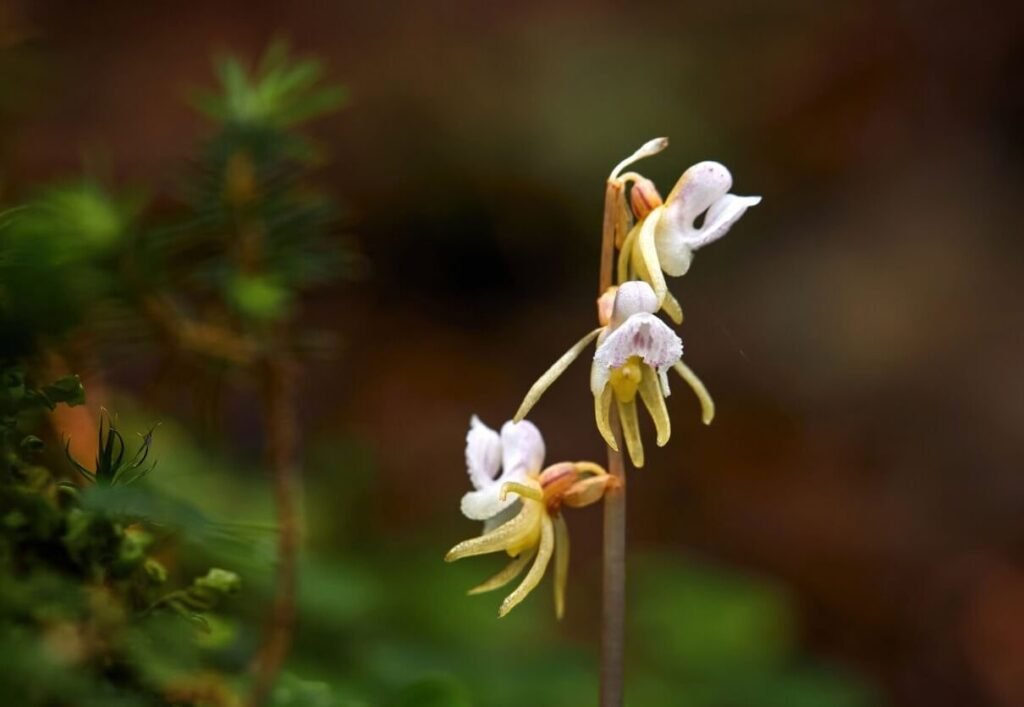
What plant is this?
Identify your rare or unusual plants
- Mystical Ghost Orchid – Indoor Care, Safety & Secret Nature Facts
- Gentiana paradoxa (Caucasian Gentian) Indoor Growing Guide, Safety & Medicinal Uses
- Psychotria elata (Hot Lips Plant)Indoor Care, Safety & Medicinal Secrets
- Lithops (Living Stones)Indoor Care, Safety & Fascinating Nature Secrets
- Tacca palmata (Bat Flower) – Indoor Growing Guide, Safety & Medicinal Insights
- Gympie-Gympie Plant (Dendrocnide moroides)Toxicity, Safety & Botanical Facts
Mystical Ghost Orchid – Indoor Care, Safety & Secret Nature Facts
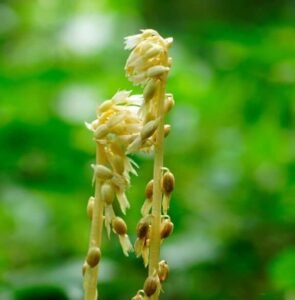
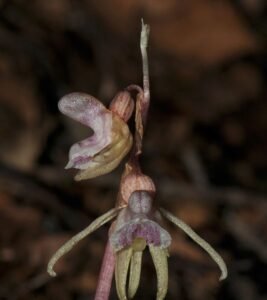
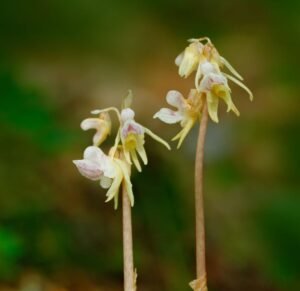
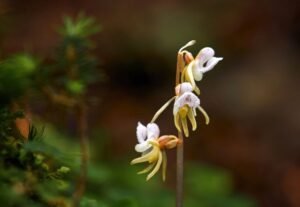
Epipogium aphyllum Indoor Growing Facts, Toxicity & Rare Medicinal Secrets
I once tried to grow a plant so mysterious it ghosted me before I even watered it—meet the Ghost Orchid! 👻🌿 This rare, leafless beauty refuses indoor life and only thrives with forest fungi magic. Good news? It’s non-toxic to pets and humans. Bad news? No real medicinal powers—just legendary plant drama and vanishing acts!
Epipogium aphyllum, known as the Ghost Orchid, is a rare, leafless woodland orchid found in cool, shaded forests. This plant is not suitable for indoor growing, as it depends on a symbiotic relationship with forest fungi to survive. The Ghost Orchid is non-toxic to humans and pets, making it safe to admire in its natural habitat. Traditionally, some cultures valued related wild orchids in herbal medicine for boosting vitality, but Ghost Orchid itself has no proven medicinal use and is strictly protected in many countries due to its endangered status. A mysterious beauty best left in the wild.
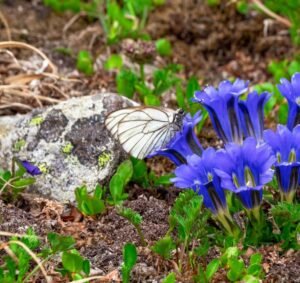
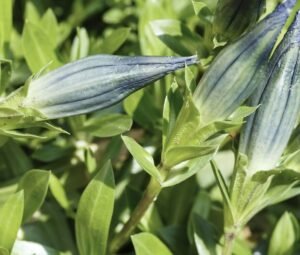
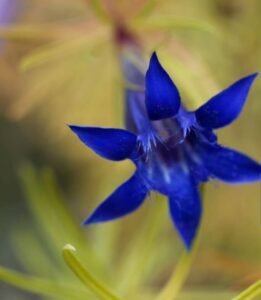
Gentiana paradoxa (Caucasian Gentian) Indoor Growing Guide, Safety & Medicinal Uses
Gentiana paradoxa, or Caucasian Gentian
Gentiana paradoxa, or Caucasian Gentian, is a charming alpine plant known for its deep blue trumpet-like flowers. While stunning, it’s not ideal for indoor growing—it prefers cool climates, rocky soil, and full sun, mimicking high-mountain habitats.
It is generally considered non-toxic to humans and pets, making it a garden-safe beauty. Some gentian species are used in herbal medicine for digestive support and appetite stimulation, but scientific data for this specific variety is limited, so avoid consuming it. Perfect for rock gardens and alpine lovers, this little flower proves that mountain divas can look cute and still be tough!
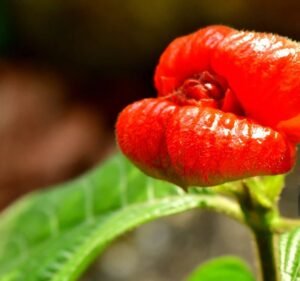
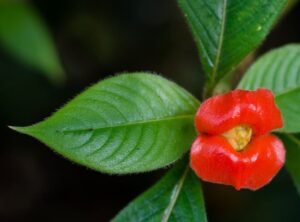
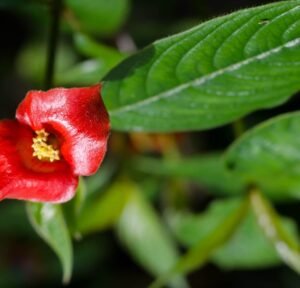
Psychotria elata (Hot Lips Plant)Indoor Care, Safety & Medicinal Secrets
Psychotria elata, famously known as the Hot Lips Plant
The first time I saw Psychotria elata, I thought the plant was flirting with me. 😂 Big red lips in the jungle—like nature said, “Give me a kiss or get out!” 💋🌿 Honestly, if plants joined dating apps, this one would have the most matches. Just don’t fall in love… it’s a plant, not your soulmate!
is a tropical rainforest shrub with bright, lip-shaped bracts that look ready to blow a kiss! While eye-catching, it’s not ideal as an indoor plant—it requires high humidity, tropical warmth, and filtered jungle-style shade. There are no verified reports of toxicity to pets or humans, but it’s not commonly consumed, so caution is wise. Traditionally, related Psychotria species have been used in folk medicine for anti-inflammatory and healing purposes, though scientific evidence is limited. This rare beauty is also threatened by habitat loss, making it a plant worth admiring—and protecting. 🌿💋
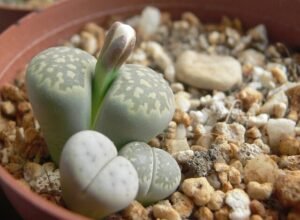
Lithops (Living Stones)Indoor Care, Safety & Fascinating Nature Secrets
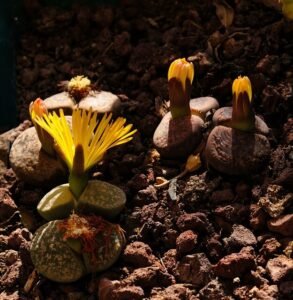
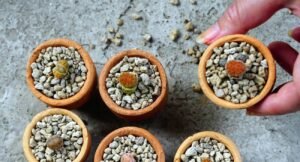
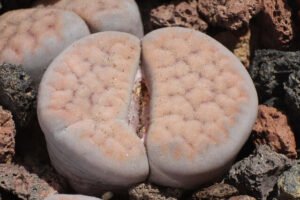
Lithops, often called Living Stones,
Meet Lithops, the only plant that mastered hide-and-seek so well it pretends to be a rock. 😂 I once bought one and forgot to water it for weeks… turns out, that’s exactly what it wanted. Meanwhile, I’m over here watering my other plants like a helicopter parent. Living stones? More like lazy-genius desert nuggets! 🌵🪨🤣
Lithops, often called Living Stones, are quirky succulents that mimic pebbles to survive harsh deserts. Yes—these tiny “stones” make excellent indoor plants, thriving in bright light with minimal watering. They are non-toxic to pets and humans, so your cat can judge them safely. While not used medicinally, Lithops are prized for stress-free, low-maintenance gardening and their adorable seasonal blooms. Avoid overwatering—this plant prefers tough love and drought. Perfect for small spaces, plant lovers, and anyone who wants greenery without drama! 🌿🪨🌞
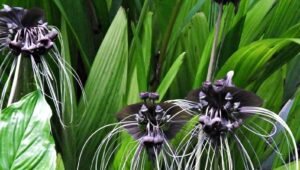
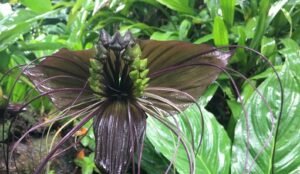
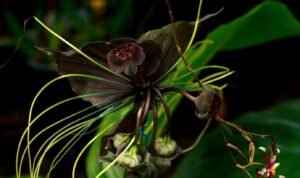
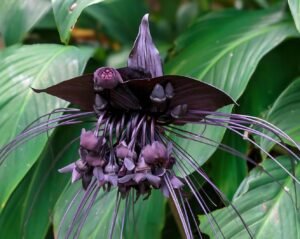
Tacca palmata (Bat Flower) – Indoor Growing Guide, Safety & Medicinal Insights
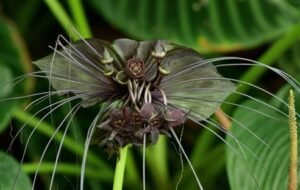
Tacca palmata The Bat Flower
The day I met Tacca palmata, I thought Batman finally opened a flower shop. 🦇🌸 This plant looks like it’s ready to fight crime at night and gossip with orchids in the morning. Honestly, if a flower ever said “I am vengeance,” it would be this one. People buy roses for romance — I buy bat flowers for dramatic flair! 😂🦇
Tacca palmata, known as the Bat Flower, is an exotic tropical plant admired for its mysterious, bat-shaped blooms and whisker-like bracts. It can be grown indoors if given bright indirect light, high humidity, and well-draining soil. Good news for pet-parents and plant lovers — it is not known to be toxic to humans or pets. While some related Tacca species have been used traditionally for herbal purposes, scientific evidence for medicinal benefits is limited, so it’s mainly appreciated as a unique ornamental plant. Perfect for collectors who love dramatic, gothic-garden vibes without the danger! 🌿🦇✨
Gympie-Gympie Plant (Dendrocnide moroides)Toxicity, Safety & Botanical Facts
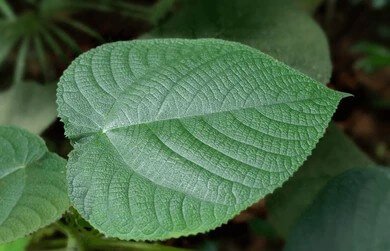
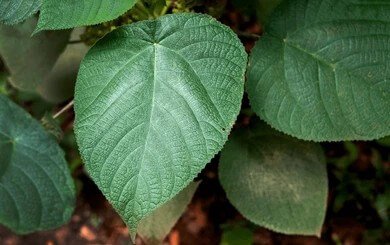
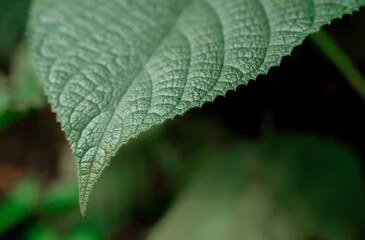
Dendrocnide moroides
Imagine a plant so dramatic it doesn’t just defend itself — it gives you lifelong regret. 😂 Meet Dendrocnide moroides, the Gympie-Gympie Plant. One touch and you’ll scream louder than when you step on a LEGO at midnight. Nature looked at roses and said, “Thorns? Cute. Watch this.” 🌿⚠️🤣 Moral: admire this plant from Wi-Fi distance!
commonly called the Gympie-Gympie Plant, is one of the most dangerous stinging plants on Earth. Definitely not an indoor plant (unless you like living dangerously!). Its tiny hairs deliver an intense, long-lasting sting that can affect humans and animals for months. It is highly toxic and unsafe for pets and people — avoid touching or breathing near crushed leaves. Although some Indigenous uses exist for pain relief after proper treatment, this plant is not recommended for medicinal use. Beautiful but brutal, it’s a reminder that not all plants want to be your friend! 🌿⚠️🔥