

Pucciniales (Rust Fungi): The Plant Plague That Sneaks Into Your Garden Like It Pays Rent
If plant diseases had personalities, rust fungi (Pucciniales) would be the dramatic divas of the botanical world—showing up uninvited, wearing bright orange outfits, and creating chaos on every leaf they touch. They’re flashy, persistent, and unbelievably good at ruining your favorite plants. As a botanist, I call Pucciniales the “glitter of the plant pathogen world”—because once they show up, good luck getting rid of them. Let’s break down this ancient fungal order and figure out how to outsmart it before it breaks your garden’s heart.
1. What Are Pucciniales? Meet the Rust Masters
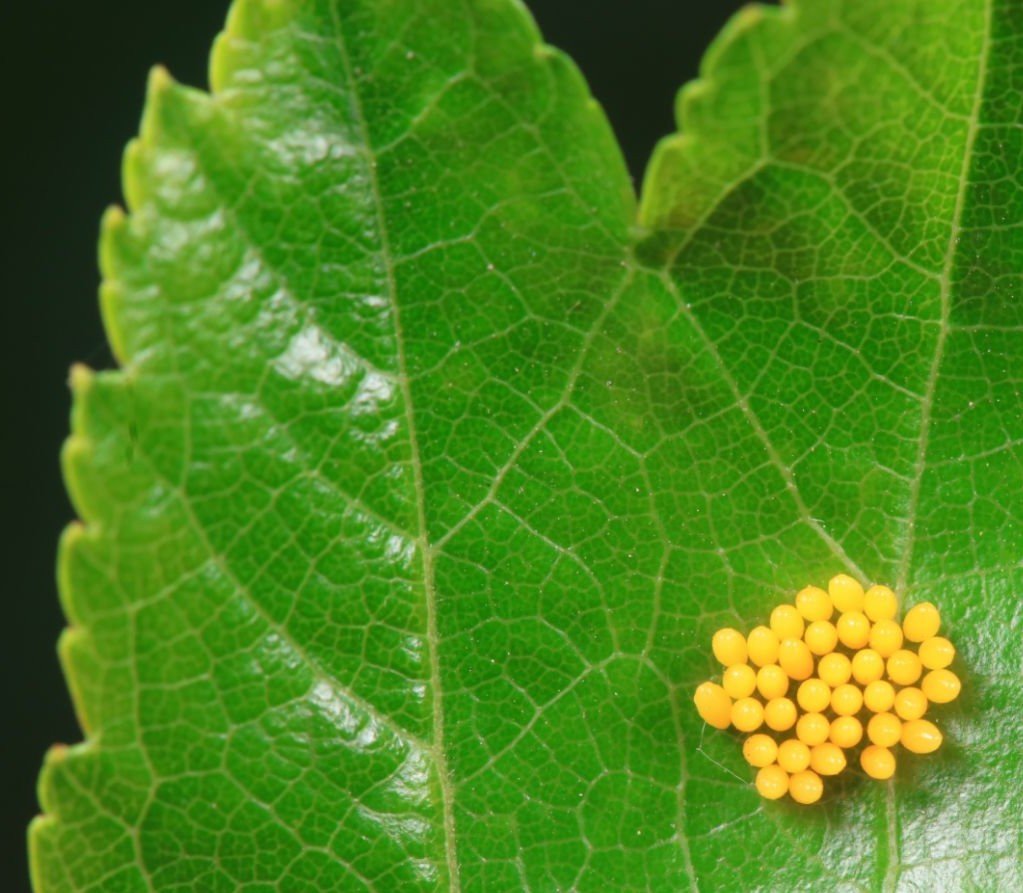
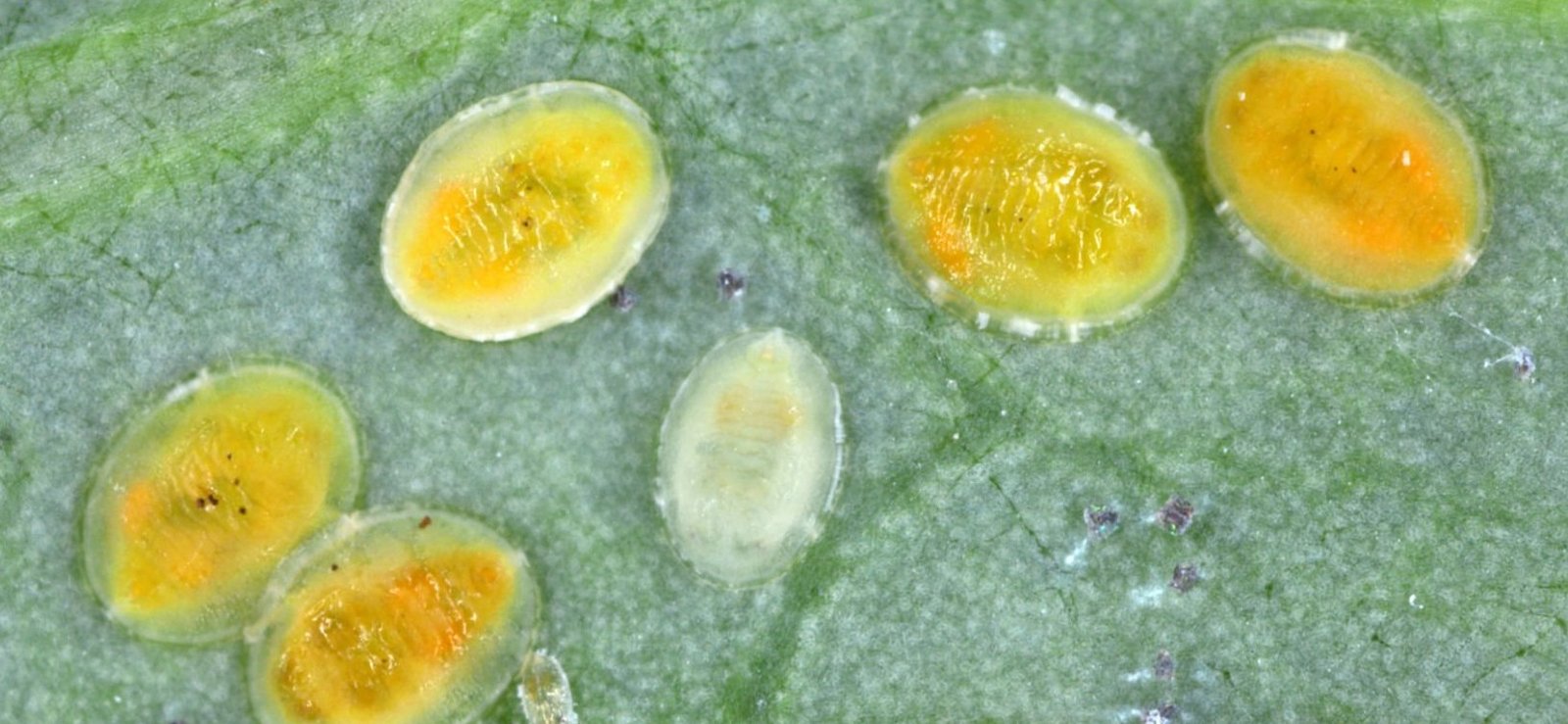
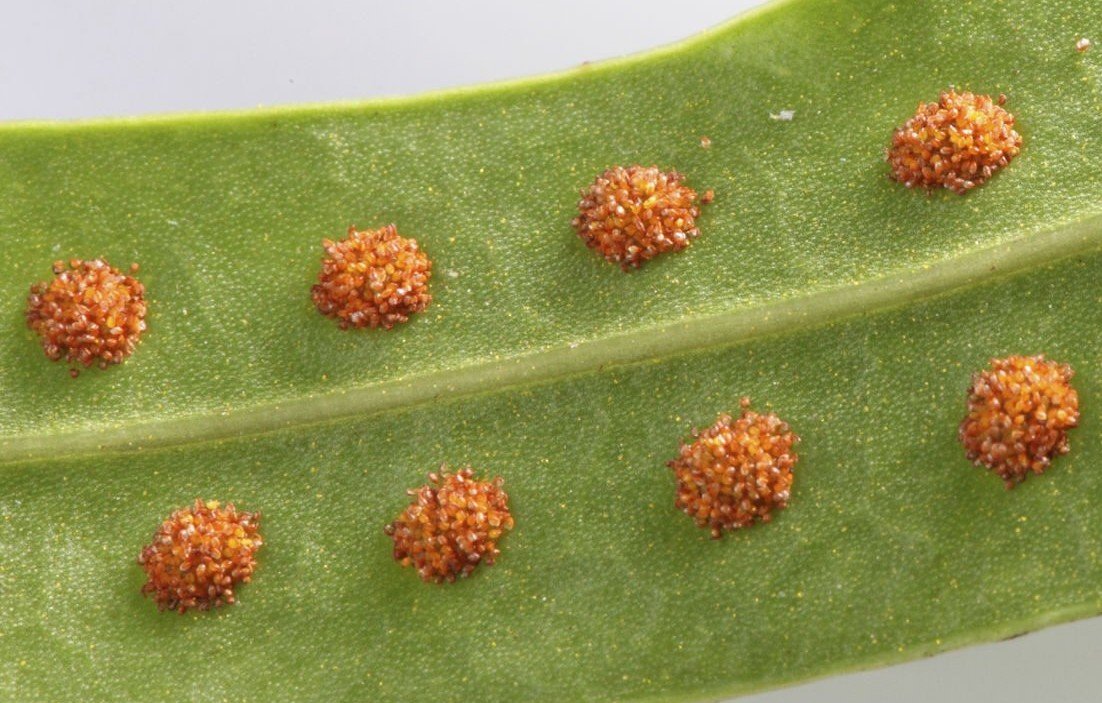

Pucciniales is an enormous order of fungi containing over 7,000 known species, many of which cause the infamous agricultural disease known simply as rust. These fungi are so widespread and so successful at infecting plants that they are considered one of the top plant disease threats worldwide. They’re not molds, they’re not mildews—they’re highly specialized parasites that must infect living plants in order to survive.
Rust fungi target a mind-boggling variety of plants. From cereals like wheat and barley to ornamentals like roses, hollyhocks, snapdragons, and geraniums, they have evolved incredible ways to adapt to different hosts. Some Pucciniales species even require two different plant hosts to complete their life cycle (yes, they literally plant-hop like fungal freelancers).
What makes Pucciniales extraordinary is their complexity. They can produce five different types of spores, each with its own job—spread, survive winter, infect leaves, reinfect the same plant, or hitchhike to the alternate host. This insane spore diversity makes rust fungi ridiculously good at:
- spreading on the wind
- surviving harsh conditions
- reinfecting plants multiple times in the same season
- hiding until environmental conditions are perfect
Rust fungi grow inside plant cells, siphoning nutrients and hijacking the host’s metabolism. The visible symptoms—the rusty powder, orange pustules, or black spores—are simply the tip of the fungal iceberg.
Because of their quick spread and devastating impact on crop yields, Pucciniales are considered one of the most economically dangerous plant pathogen orders. But don’t panic! Once you understand how these fungi work, you can stop them like a seasoned plant scientist.
2. How Rust Fungi Spread & Why They’re Everywhere
Rust fungi are successful for one big reason: they spread like gossip in a high school cafeteria—fast, everywhere, and without warning. The most infamous Pucciniales species produce airborne spores that travel miles with a single gust of wind. Some spores can remain viable for years, just waiting for a host plant to stroll by.
Most rust fungi thrive in:
- warm temperatures
- humid environments
- leaf surfaces with morning dew
- dense plantings
This makes home gardens, greenhouses, farms, and even urban landscapes perfect playgrounds for infection. The fungi germinate when water is present on leaf surfaces, which explains why rust outbreaks often explode after rainy periods or over-watering.
Another terrifying talent of Pucciniales is host alternation. Some rust fungi (like wheat stem rust) need two completely different plants to survive—often one crop plant and one wild plant. This allows them to keep cycling through host species, making management tricky.
Transmission methods include:
- spores carried by wind
- infected nursery stock
- contaminated tools
- hands touching infected foliage
- plant debris left on soil
- rain splash
Rust fungi begin by landing on a leaf, germinating, and penetrating through natural openings or weakened tissue. Once inside, they grow intracellularly, extracting nutrients and eventually producing spore-filled pustules. These pustules rupture, releasing massive quantities of spores that spread to neighboring plants like wildfire.
The most frustrating part? Rust can re-infect the same plant multiple times during the growing season. Plants already weakened by rust become even more vulnerable to secondary infections, drought, and stress.
But with early detection and good cultural practices, rust fungi can be managed—and even prevented entirely. The trick is understanding their behavior and shutting down the conditions they love.
3. Symptoms & Damage: How to Recognize Rust Fungi
Rust fungi are named perfectly because their symptoms look like someone rubbed old iron dust on your plants. But the visual cues vary depending on the plant, the rust species, and environmental conditions. Here’s how to diagnose rust like a botanist:
Classic Rust Symptoms
- Orange, yellow, brown, or reddish pustules on leaf undersides
- Powdery spore masses that rub off on your fingers
- Chlorotic (yellowing) patches on the upper leaf surface
- Leaf deformation or puckering
- Premature leaf drop
These pustules are the spore-producing fruiting bodies. When they burst, they release rust spores that continue the infection cycle.
Severe Infection Symptoms
- stunted, weakened plants
- reduced flowering
- fewer and smaller fruits
- leaf curling
- dried, brittle leaves
- crispy edges on foliage
Because rust fungi grow inside the plant and suck nutrients directly from cells, infected plants often appear exhausted or nutrient-deficient even when soil conditions are perfect.
Crop-Specific Symptoms
Wheat & barley:
- orange-red pustules running along stems
- straw-like leaves
- weak tillers
Roses:
- bright orange spots beneath leaves
- leaf drop
- black spots as the disease matures
Hollyhocks:
- thick, raised, orange-to-brown pustules
- dramatic defoliation
Beans & legumes:
- tiny reddish pustules
- yellow halos
- reduced pod yields
In Ornamentals & Trees
Rust can cause:
- distorted needles (in evergreens)
- swollen stems or cankers (in severe cases)
- twig dieback
Left unchecked, rust fungi weaken plants so much that they become vulnerable to other pathogens and environmental stress. The damage may not kill the plant immediately, but it severely limits growth, health, and production.
4. How to Prevent Rust Fungi
When it comes to Pucciniales, prevention is not just important—it’s essential. Once rust fungi get established, there’s no miracle spray that permanently eradicates them. But with smart, botanist-approved strategies, you can keep your garden rust-free and your plants thriving.
Here’s your 800-word ultimate prevention guide, packed with expert, practical, and sometimes surprising tactics.
Choose Rust-Resistant Varieties
This is the #1 most effective method.
When buying seeds or plants, look for words like:
- “rust-resistant”
- “rust-tolerant”
- coded labels (e.g., HR = high resistance)
Rust-resistant varieties exist for:
- beans
- roses
- hollyhocks
- wheat and barley
- snapdragons
- turfgrasses
This single choice can reduce infections by 70–90%.
Practice Proper Spacing
Rust thrives in humidity and poor airflow.
So:
- don’t crowd plants
- give them breathing room
- stake tall plants
- prune tangled shrubs
Good airflow dries leaves faster, which rust fungi absolutely hate.
Water Like a Botanist (Not a Raincloud)
Rust needs moisture to germinate. So avoid wet leaves.
Use:
- drip irrigation
- watering cans aimed at soil
- morning watering (never evening!)
Dry foliage = fewer infection opportunities.
Remove Infected Leaves Early
If you notice early rust signs:
- remove affected leaves immediately
- throw them in the trash, never compost
- sanitize tools with alcohol or bleach
This breaks the infection cycle and prevents spore buildup.
Clean Up Plant Debris
Rust spores hide in fallen leaves, waiting to re-infect next year.
So at the end of every season:
- rake thoroughly
- dispose of debris
- mulch fresh and clean
Keeping your garden tidy is one of the strongest defenses.
Rotate Crops
If rust hit your beans or grains:
Do not plant the same crop family in that area next year.
Rotate with:
- corn
- lettuce
- herbs
- root vegetables
Rotation starves the fungus of its preferred host.
Avoid Over-Fertilizing
Too much nitrogen = soft, tender growth that rust fungi LOVE.
Use balanced fertilizers.
Slow-release organic fertilizers work best for rust-prone gardens.
Improve Soil Health
Rich, biologically active soil encourages beneficial microbes that naturally suppress fungal pathogens.
Add:
- compost
- biochar
- worm castings
- leaf mold
Healthy soil = stronger plants = fewer infections.
Use Mulch Wisely
Mulch:
- reduces soil splash (which can carry spores)
- stabilizes moisture
- prevents stress
Avoid mulching over infected debris. Always clean first.
Keep Weeds Under Control
Some weeds serve as alternate hosts for rust fungi
(especially thistles, sedges, and wild grasses).
Remove weeds before they act as disease reservoirs.
Apply Preventive Organic Sprays
These don’t cure rust but slow spread and reduce infection:
- Neem oil
- Potassium bicarbonate
- Sulfur spray
- Compost tea
- Bacillus-based biofungicides
Apply early, especially in humid seasons.
Avoid Overhead Watering
Overhead watering is basically rust heaven:
- it wets leaves
- spreads spores
- increases humidity
Bottom-water whenever possible.
Give Plants Enough Sunlight
Rust loves shade.
Sunlight dries leaves and boosts plant immunity.
If your plants are in deep shade, consider moving them or thinning overstory branches.
Control Alternate Hosts
For rust species with complex life cycles (like cedar-apple rust):
- remove or distance the alternate host
- prune infected galls
This breaks the fungus’s life cycle entirely.
Keep Plants Stress-Free
Stressed plants = easier targets.
Avoid:
- drought
- overwatering
- nutrient imbalance
- root competition
Happy plants resist rust naturally.
For Severe Cases: Replace Plants or Relocate Beds
If rust becomes chronic:
- remove the infected plant completely
- replace with a resistant species
- or shift the garden bed location
Sometimes a fresh start is the smartest move.