

- Your Tree Has Polka Dots? Meet Shot Hole Disease the Cherry Orchard Villain You Never Saw Coming
Your Tree Has Polka Dots? Meet Shot Hole Disease the Cherry Orchard Villain You Never Saw Coming
If your peach or indoor plant suddenly looks like someone used it for target practice, don’t panic, you’re not in a backyard war zone. You’re probably witnessing the dramatic arrival of Shot Hole Disease, a fungal troublemaker that pops up every spring as a Reddit meme nobody asked for. But as messy as it looks, your tree isn’t doomed. As a botanist, I’m here to decode this annoyingly common but strangely fascinating disease in a way that’s easy, helpful, and yes, kind of fun.

1. What Exactly Is Shot Hole Disease? And Why It’s ObsessedWith Stone Fruit Trees
Shot Hole Disease sounds like an action movie title, but the only thing it shoots… is holes in leaves. The microscopic troublemaker behind this drama is Wilsonomyces carpophilus—a fungus that really loves trees in the Prunus family. That includes:
- cherries
- peaches
- nectarines
- apricots
- plums
- almonds
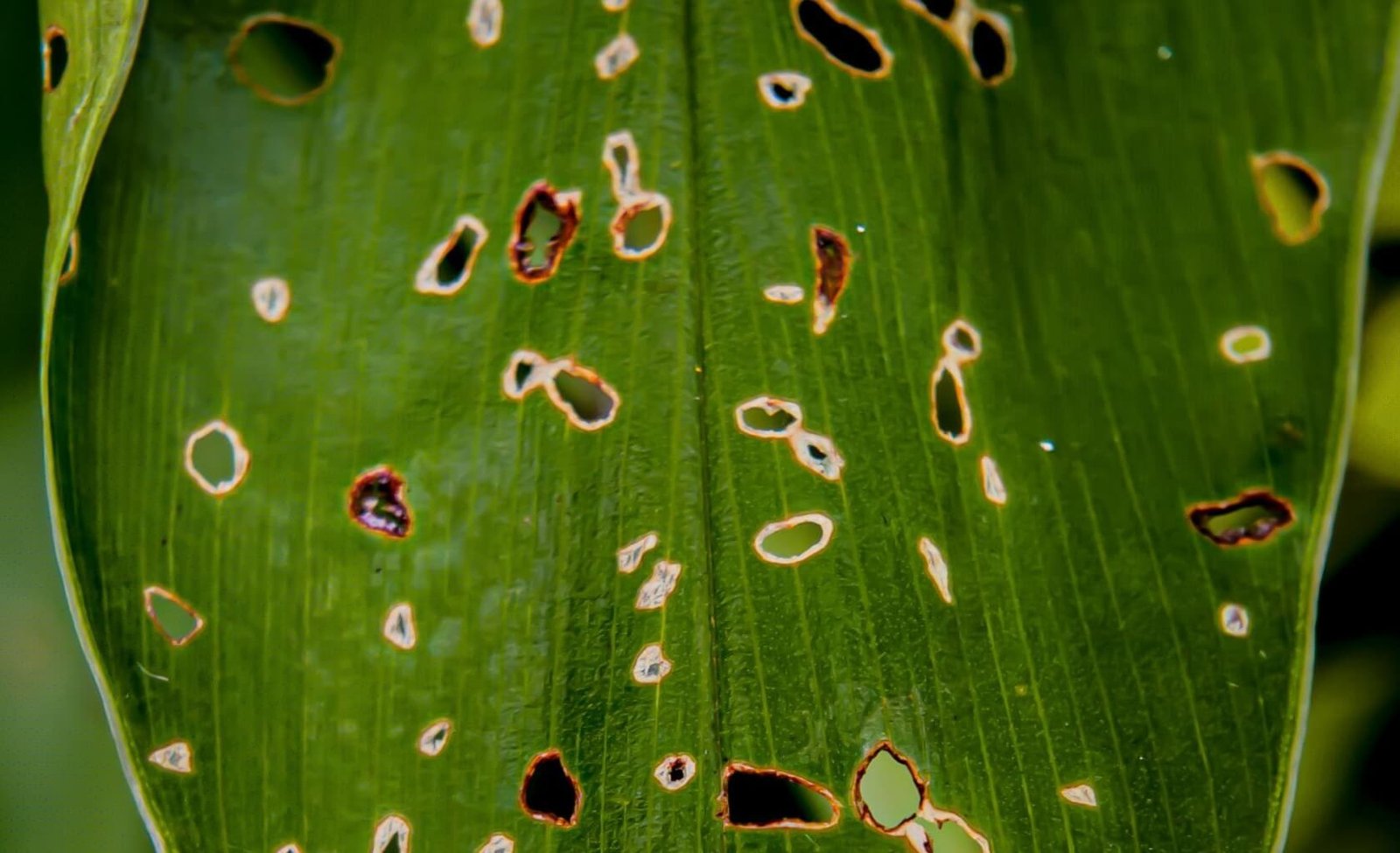
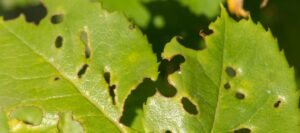
While the fungus is tiny, the chaos it causes is anything but subtle. During cool, wet spring weather (its version of a holiday vacation), the pathogen infects new growth and spreads rapidly. It begins with tiny circular spots on leaves, surrounded by yellow or light-green halos. At first glance, you may think your tree has been sprinkled with lemon-colored confetti. But as the fungus progresses, the centers dry out, turn brown, and eventually fall out, leaving behind those signature circular holes—like someone punched perfect dots with a hole puncher.
Exclusive insight you won’t find in most generic articles:
This fungus doesn’t just survive in winter—it thrives in overwintering spores hidden in bud scales, fallen leaves, and even the rough bark. It lies in wait like a patient little villain ready to attack the moment spring brings humidity and tender new foliage.
2. How to Identify Shot Hole Disease Before Your Tree Looks Like Swiss Cheese
Spotting Shot Hole Disease early is the key to saving your tree—and your fruit crop. The symptoms appear in a progression, almost like a checklist. Here’s what makes this disease uniquely recognizable:
1: Spots on Leaves
The first signs are small circular lesions with yellow or pale-green margins. They appear water-soaked at first (many gardeners on Reddit swear it looks like dew drops that didn’t evaporate). These spots quickly turn brown or purplish.
2: Shot Holes Form
This is the signature move. The brown centers dry up and drop out, forming clean round holes. A key detail that distinguishes this disease from chewing pests is the perfect roundness of the holes—pests rarely leave such precise marks.
3: Fruit Damage
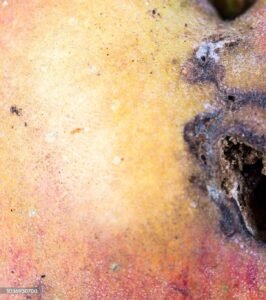
Fruit lesions start tiny and purple, then turn gray or tan as they expand. On peaches and nectarines, this can look like tiny scabs. Left untreated, the spots can crack, ooze, and reduce fruit quality dramatically.
4: Gummosis
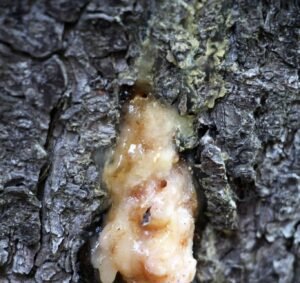
Some infected branches ooze a sticky amber-like resin—this is gummosis, the tree’s defense response. While gummosis can be caused by various stresses, its appearance alongside leaf holes strongly suggests Shot Hole Disease involvement.
Exclusive tip:
👉 Many gardeners confuse this with bacterial shot hole. The fungal version usually creates brown spore masses inside the lesions during cool wet weather—a detail that can help you identify it correctly.
3. Why Shot Hole Disease Happens And Why Some Trees Get It Worse
Shot Hole Disease is opportunistic—it doesn’t attack healthy, stress-free trees as aggressively. Several environmental factors set the stage for infection:
A. Cool, Moist Spring Conditions
This fungus adores humidity and temperatures between 60–75°F (15–24°C). Long rains, heavy dew, or extended fog create the perfect launch pad for outbreaks.
B. Poor Air Circulation
Dense canopies trap moisture, allowing spores to germinate. Trees in crowded orchards or corners of yards with little airflow are at high risk.
C. Overwintering Spores
The fungus survives winter on:
- infected twigs
- old leaves
- fallen fruit
- bud scales
- bark crevices
This means neglecting winter cleanup is basically sending the fungus a holiday invitation.
D. Stress Weakens Defenses
Environmental stress—drought, nutrient imbalance, improper pruning—makes the tree more vulnerable. Trees with compromised immune responses can’t wall off infection effectively, so symptoms spread faster.
Exclusive note:
👉 Stone fruit varieties differ in resistance. Many heirloom peaches are more susceptible, while newer dwarf cultivars often have better natural tolerance (though not immunity).
4. Prevention & Protection: How to Stop Shot Hole Disease Before It Starts The Ultimate 600-Word Practical Guide
Now we get to the part every gardener (and every frustrated cherry-tree parent) wants: how to prevent this disease from ever showing up again. Prevention is far more effective than trying to treat an active outbreak, and luckily, there are multiple strategies that work brilliantly when combined.
Below is your botanist-approved prevention plan, packed with both common and uncommon techniques:
A. Improve Airflow: The Most Underrated Method
Good airflow dries leaves faster, making it harder for fungal spores to germinate. Improving airflow can reduce infection rates by more than 50%.
Ways to boost airflow:
- Prune dense inner branches to open the canopy
- Remove crossing, rubbing, or cluttered twigs
- Space multiple trees at least 10–12 feet apart
- Avoid planting near walls, fences, or corners where air stagnates
Exclusive tip:
👉 Use a “vase-shaped” pruning style for peaches and nectarines. This structure naturally enhances airflow.
B. Practice Winter & Fall Sanitation: Your Secret Weapon
Fungal spores hide in debris. Removing their hiding spots is crucial.
Always:
- Rake and destroy fallen leaves
- Collect and discard mummified fruits
- Prune away infected twigs and branches
- Clean pruning tools with 70% alcohol
What most gardeners don’t know:
👉 The fungus often hides in bud scales, so cutting back infected twigs in winter dramatically reduces the first wave of spring infection.
C. Water the Right Way: Avoid Leaf Wetness
Wet leaves = fungal heaven. Adjusting watering habits is simple but powerful.
- Water at the base of the tree, not overhead
- Water in the morning so leaves dry quickly
- Avoid irrigation methods that splash soil onto leaves
- Add mulch to reduce soil splash and moisture fluctuations
Advanced tip:
Use drip irrigation or a soaker hose to eliminate leaf wetness during watering.
D. Use Fungicidal Sprays at the Correct Time
Fungicides are effective—but only if used wisely. Timing is everything.
For fungal Shot Hole Disease, use:
- Copper-based fungicides
- Chlorothalonil sprays (check local regulations)
- Bordeaux mixture
- Biofungicides containing Bacillus subtilis
Apply fungicides:
- During late winter (dormant season)
- Just before bud break
- During early spring wet spells
Exclusive tip:
Dormant-season copper sprays are the single most effective treatment because they target overwintering spores before they activate.
E. Choose Resistant Varieties Long-Term Strategy
Some stone fruit varieties show natural resistance. When planting new trees, consider cultivars advertised as “shot-hole tolerant.”
Small but powerful insight:
Dwarf and semi-dwarf trees not only resist disease better—they’re also easier to prune and maintain for airflow.
F. Reduce Stress with Proper Nutrition & Care
Healthy trees can compartmentalize infection better.
Provide:
- Balanced fertilizer (not nitrogen-heavy)
- Deep but infrequent watering
- Proper pruning
- Annual soil testing
- Mulch for moisture control
Plants under stress = easier infection.
G. Avoid These Common Mistakes
Many gardeners unknowingly help the fungus. Avoid:
- Leaving fruit on the ground
- Ignoring early leaf spots
- Using sprinklers
- Skipping dormant sprays
- Planting trees too close together
- Overwatering in spring
H. When to Seek Help
If symptoms worsen despite preventive care, consult:
- arborists
- plant pathologists
- agricultural extensions
- local nursery experts
Some infections are severe enough to require targeted professional treatment.
Final Takeaway: Your Tree Can Recover And Look Beautiful Again
Shot Hole Disease may look intimidating, but with good airflow, proper sanitation, smart watering, and well-timed fungicide applications, you can keep your cherry, peach, or apricot tree healthy and thriving year after year. Treat your tree like the royalty it is, and it will reward you with gorgeous leaves—and even better fruit.

Leave a Reply