

Plant Parasitic Nematodes: The Tiny Worms That Cause Big Drama in Your Garden
If garden villains had a “small but mighty” award, Plant Parasitic Nematodes would take the crown, the cape, and the trophy. These microscopic troublemakers are basically the ghost pepper of plant pests — tiny, invisible, and capable of ruining an entire crop before you even realize what’s happening. Let’s break down these sneaky root vampires with botanist-level expertise and the fun energy of someone who’s definitely spent too much time staring at soil under a microscope.
What Exactly Are Plant Parasitic Nematodes? The Microscopic Pests You Never See Coming
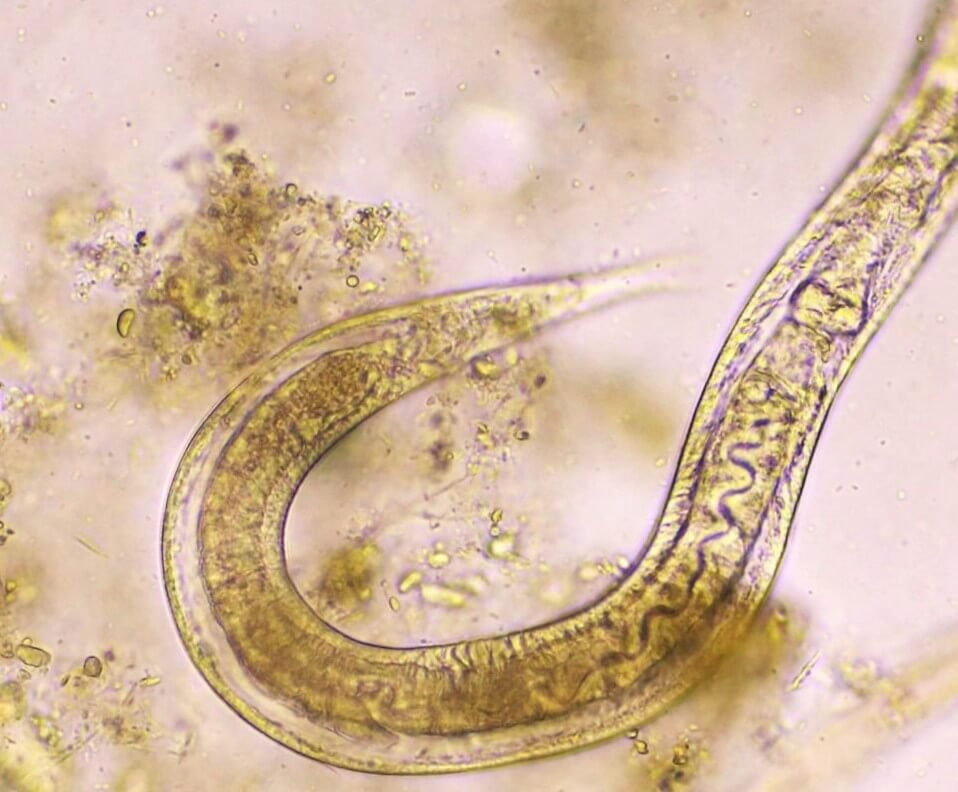

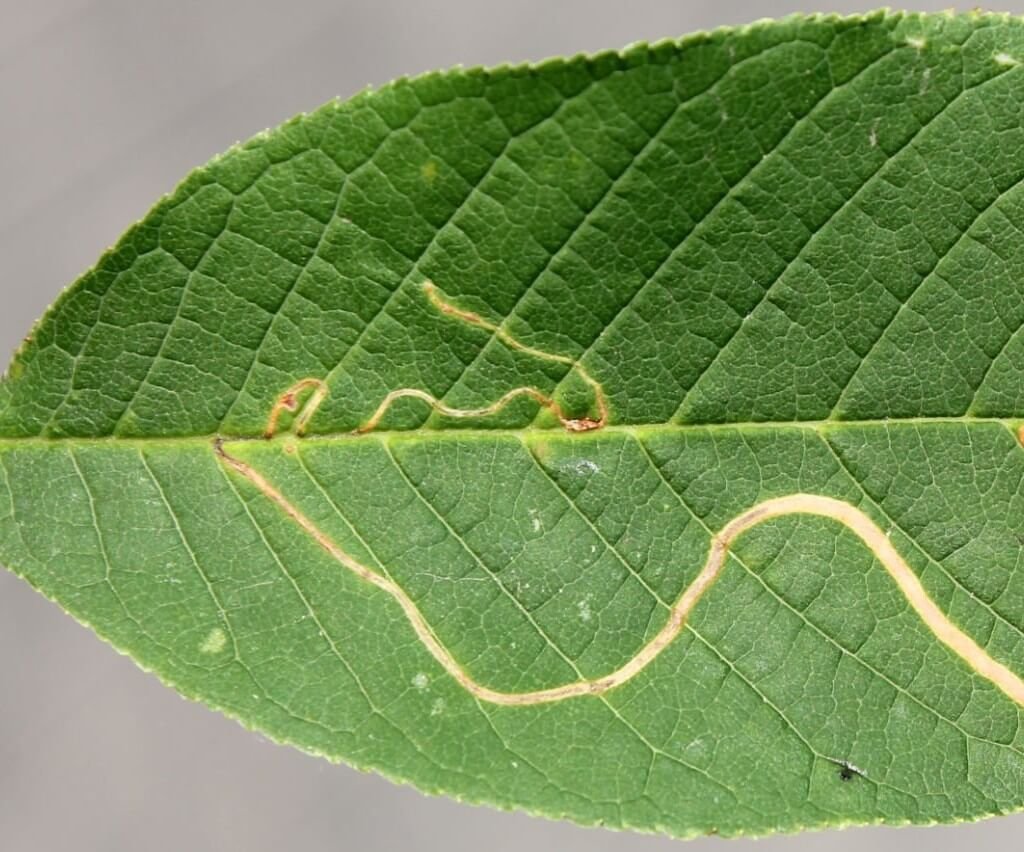
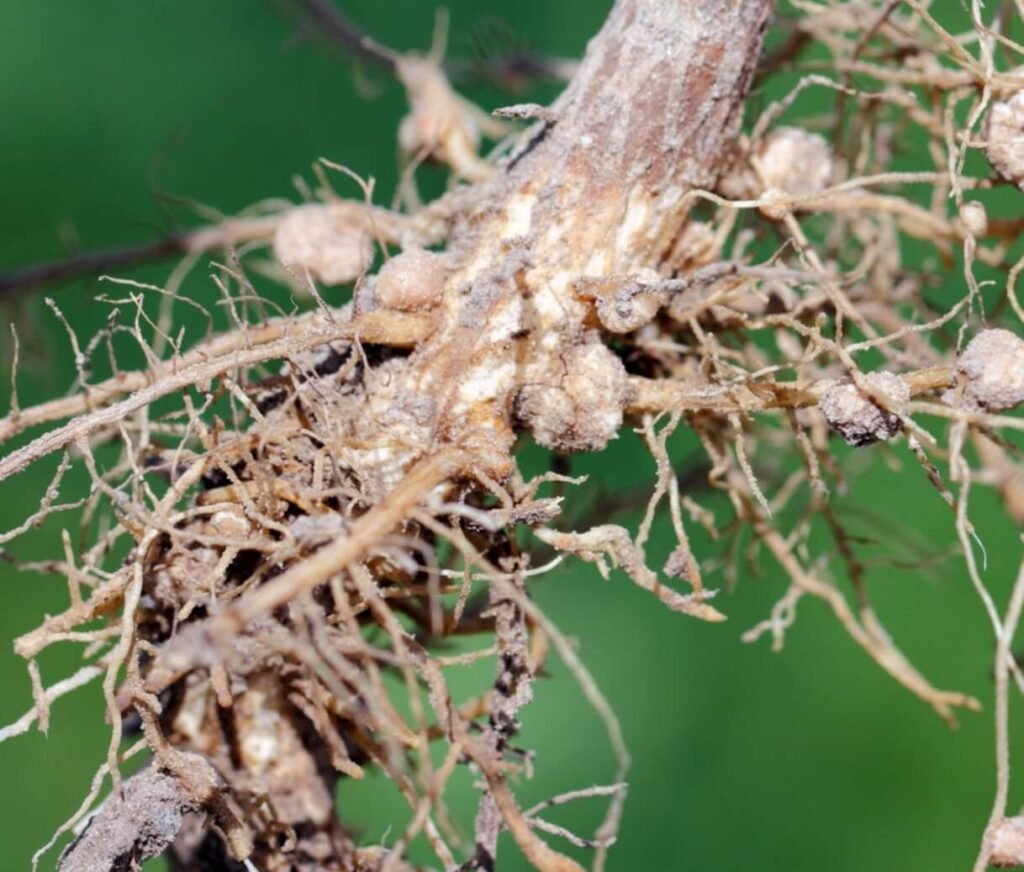
Plant Parasitic Nematodes aren’t typical worms — they’re a part of the kingdom Animalia, but they belong to their own distinct group called Nematoda. Think of them as the nightmare cousins of earthworms: similar shape, completely different vibe. While earthworms aerate the soil and boost plant health, nematodes show up uninvited, pierce root cells with needle-like mouths, and drink the nutrients meant for your plants. Rude.
Worldwide, nematodes cause an estimated 11% loss in agricultural production, which is massive considering they mostly attack life-sustaining crops like bananas, grains, coconut, cassava, potatoes, sugarcane, legumes, and sweet potatoes. If you’re eating it, nematodes probably want to crash the party.
These pests live in the soil and move silently, infecting roots, stems, bulbs, and even leaves, depending on the species. The most infamous ones include root-knot nematodes, cyst nematodes, stem and bulb nematodes, and leaf and bud nematodes. Each type specializes in chaos some swell the roots, some disfigure leaves, and some make the entire plant collapse like a fussy toddler.
What makes nematodes even trickier is that they’re nearly invisible. You won’t see them crawling around like caterpillars or aphids. Instead, they live underground, work quietly, and only leave behind clues when your plant is already struggling. Plant parasitic nematodes are the definition of “silent but deadly,” but in the plant world.
Signs of Nematode Damage: The Clues Hidden in Your Soil
Because nematodes themselves are microscopic, gardeners have to play detective by watching for plant symptoms. And oh boy, nematode damage is chaotic — from subtle hints to full-on plant collapse.
Here’s what they usually cause:
- Whole-plant withering, even when watering is perfect.
If a plant looks thirsty but the soil is moist, nematodes may be feeding on the roots and blocking water absorption. - Yellowing leaves
Nutrient uptake becomes limited as root cells get damaged, leading to chlorosis (yellowing). If fertilizer doesn’t help, suspect nematodes. - Leaf drop
Stressed plants shed leaves to conserve energy. - Root-knot symptoms
Root-knot nematodes create swollen, tumor-like galls on roots. These knots reduce nutrient flow and weaken the plant. - Bulb & stem swelling
Stem and bulb nematodes cause thickened, twisted stems and shortened internodes. Bulbs may become mushy or malformed. - Bud & leaf deformities
Buds may blacken, shrivel, or stop developing entirely. Leaves can become distorted, wrinkled, or necrotic. - Reduced yield
All these symptoms eventually lead to smaller harvests, weak growth, and poor-quality produce.
The biggest frustration? These symptoms mimic other issues like nutrient deficiencies, fungal infections, drought stress, or overwatering. That’s why nematode infestations often go unnoticed until the situation is… well, not great. If multiple symptoms appear simultaneously and nothing fixes the problem, nematodes might be the culprits.
Why Nematodes Attack (And Why They Love Your Crops)
Plant parasitic nematodes thrive for one simple reason: plants have delicious root juices. But beyond that, several factors encourage nematode infestations:
✔ They love warm, moist soil.
Nematodes reproduce rapidly in warm climates, especially in sandy or loose soils where they can move easily.
✔ They target stressed plants.
A plant with compacted soil, insufficient nutrients, or root damage is an easy target.
✔ They spread through water, tools, plants & soil.
Even a small amount of contaminated soil can introduce nematodes into a new garden.
✔ They exploit monoculture farming.
Growing the same crop in the same soil year after year creates a nematode paradise — predictable food, no rotation, and easy access.
✔ They thrive when natural enemies are limited.
Healthy soil organisms like predatory fungi and beneficial nematodes can reduce harmful nematode populations. But overused chemical treatments or poor soil health can eliminate these natural protectors.
✔ They have survival adaptations. So nematodes aren’t just pests — they’re strategic pests. That’s why prevention requires smart soil management, consistent monitoring, and proactive gardening techniques.
How to Prevent Plant Parasitic Nematodes (The Botanist Battle Guide
Preventing nematodes is much easier than dealing with them once they’re established. Since treatment options are limited for home gardeners, your best weapon is smart, continuous prevention. Here’s the detailed, botanist-approved breakdown.
1. Rotate Crops Like a Soil Strategist
Nematodes rely on specific host plants. Break their life cycle by rotating:
- Grains
- Legumes
- Leafy greens
- Root crops
- Non-host cover crops
Good rotations:
- Tomato → Corn
- Peppers → Beans
- Carrots → Mustard
- Potato → Sorghum
Avoid planting the same crop family in the same spot every year.
2. Use Nematode-Resistant Varieties
Many crops now have resistant cultivars that make nematodes give up the fight.
Look for labels like:
- “Nematode-resistant”
- “Nematode-tolerant”
- “Root-knot resistant (RKN resistance)”
Examples:
- Tomatoes with “VFN” on the label
- Resistant soybeans
- Resistant sweet potato varieties
These plants grow stronger and maintain yields even in infested soil.
3. Introduce Beneficial Nematodes & Helpful Soil Microbes
Not all nematodes are villains — some are predators that attack harmful species.
Natural enemies include:
- Steinernema spp.
- Heterorhabditis spp.
These beneficial nematodes parasitize plant-damaging nematodes and reduce their populations.
You can also encourage:
- Mycorrhizal fungi
- Compost microbes
- Soil bacteria like Bacillus subtilis
Healthy soil = fewer nematode problems.
4. Grow Biofumigant Cover Crops
Some plants release natural compounds that suppress nematodes when chopped and mixed into soil.
Best biofumigant crops:
- Mustard greens
- Marigolds (Tagetes species)
- Radish
- Sunn hemp
- Sorghum-sudangrass
Marigolds are especially famous for nematode suppression in home gardens.
5. Solarize the Soil
This is the plant-friendly version of using sunlight as a laser beam.
Steps:
- Water soil deeply.
- Cover with clear plastic.
- Seal edges with soil.
- Let the sun heat it for 4–6 weeks.
This kills nematodes, weed seeds, fungi, and pests.
Works best in:
- Hot climates
- Summer months
- Small garden plots
6. Improve Soil With Organic Matter
Compost does more than feed your plants — it also increases organisms that compete with or prey on nematodes.
Add:
- Compost
- Leaf mold
- Aged manure
- Coconut coir
- Biochar (optional)
Benefits:
- Strengthens roots
- Encourages deep rooting
- Improves moisture balance
- Increases microbial diversity
This boosts the plant’s natural resistance.
7. Water Smartly
Overwatering encourages nematodes, but so does underwatering. Maintain balanced moisture.
Tips:
- Use drip irrigation
- Mulch to retain moisture
- Reduce water splash
Healthy roots can better resist nematode feeding.
8. Inspect Transplants Before Planting
Always check:
- Roots (should look white & healthy)
- Soil (no galls or swollen areas)
- Source (use reputable nurseries)
Never plant stressed or root-damaged seedlings — they’re nematode magnets.
9. Clean Tools & Shoes
Nematodes can hitchhike on:
- Shovels
- Pots
- Garden gloves
- Shoes
Simple cleaning lowers the risk of spreading them.
10. Encourage Deep Root Growth
Plants with strong roots tolerate nematodes better.
Support deep rooting by:
Watering deeply but infrequently
Loosening soil
Avoiding compaction
Using mulch
Some nematodes produce cysts — tough, protective structures that allow them to survive harsh conditions for years.