

- Peach Leaf Curl: The Drama Queen of Fungal Diseases And How to Outsmart It
- What Exactly Is Peach Leaf Curl? AKA, the Springtime Leaf Destroyer
- Signs of Peach Leaf Curl: Spot It Before Your Tree Freaks Out
- Why Peach Leaf Curl Happens And Why Spring Is Its Favorite Hangout
- How to Prevent Peach Leaf Curl: The Ultimate 600-Word Plant-Saving Guide
- 1. Timing Is Everything: Treat During Dormancy
- 2. Use Dormant-Season Sprays The Standard, Safe Options
- 3. Choose Resistant Varieties A Long-Term Win
- 4. Prune Smartly Better Air = Fewer Problems
- 5. Water Wisely Avoid Splash Drama
- 6. Boost Tree Health Because Strong Trees Fight Better
- 7. After an Infection, Help Your Tree Recover
- 8. Keep an Eye on Weather Patterns
- Related post
- What Exactly Is Peach Leaf Curl? AKA, the Springtime Leaf Destroyer
Peach Leaf Curl: The Drama Queen of Fungal Diseases And How to Outsmart It
If plant diseases had personalities, Peach Leaf Curl would be that chaotic friend who shows up uninvited, rearranges your room, stresses everyone out, and leaves a mess behind. Seriously — this fungus does NOT play. Let’s break it down like a botanist who drinks too much herbal tea
What Exactly Is Peach Leaf Curl? AKA, the Springtime Leaf Destroyer
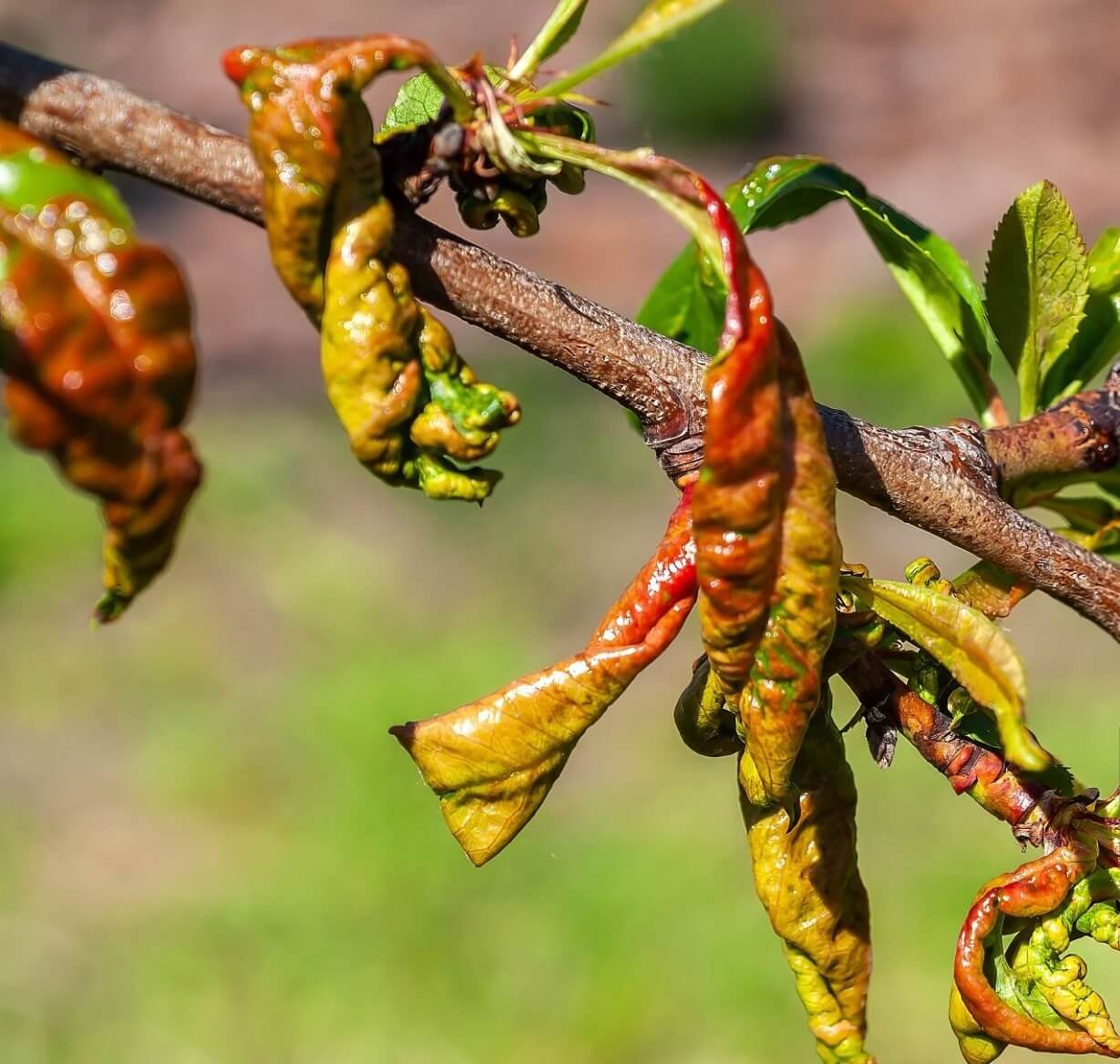
Peach Leaf Curl, caused by the fungus Taphrina deformans, is the botanical version of a seasonal villain who waits all year just to ruin your spring. It mainly targets peach trees, but it’s not picky — nectarines, apricots, and even almonds can end up as victims. This disease is often called simply “Curl,” and trust me, your plant will curl like it just watched a horror movie.
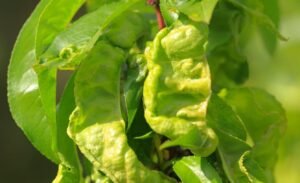
Here’s the wild part: the fungus hides quietly during winter, literally chilling on the bark and buds like it pays rent. Then, as soon as spring delivers the perfect combo of warm + wet weather, it launches its attack. Young, tender leaves absorb the spores, and suddenly, your tree is covered in warped, swollen, red-tinted leaves that look like they’re auditioning for a sci-fi movie.
The damage can be quick and dramatic. As the infected leaves deform, they eventually become coated in pale, powdery spores. Then the leaves drop prematurely — and losing leaves in spring is like losing your phone during exam week: terrible timing. Defoliation can expose branches to sunburn, weaken the tree, and impact fruit production for the whole year. A single bad infection season can set your harvest way back.
Signs of Peach Leaf Curl: Spot It Before Your Tree Freaks Out
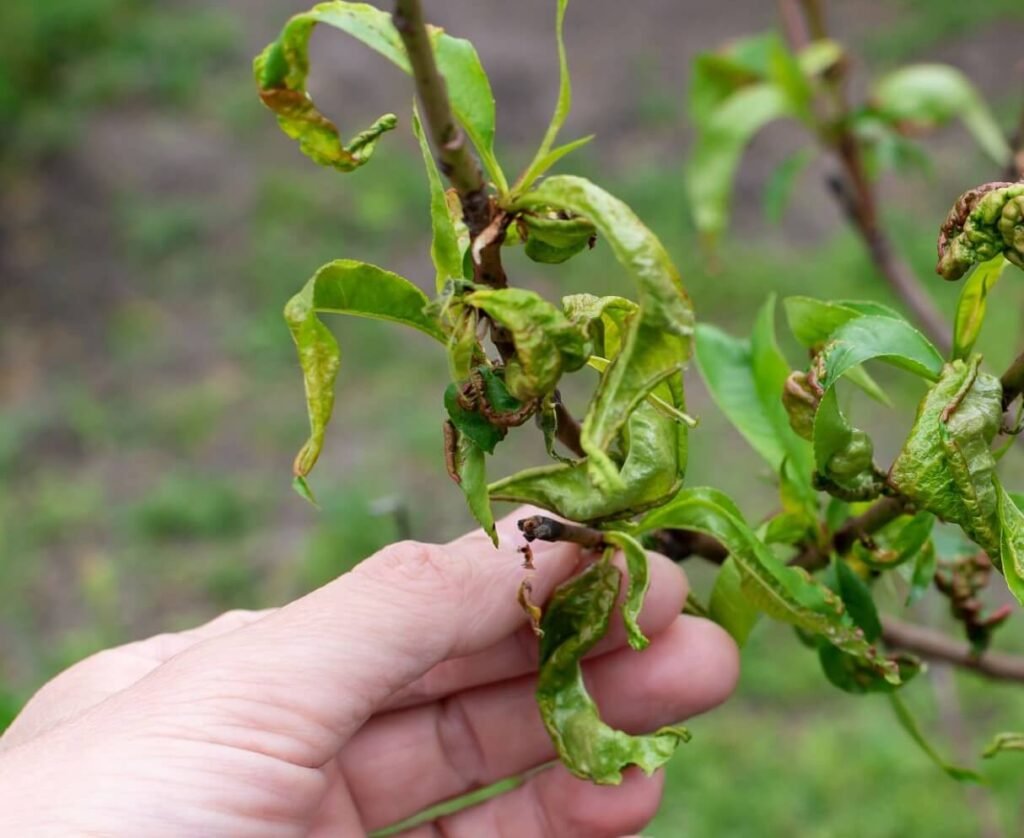
You don’t need a microscope or a Ph.D. (though I am your botanist bestie today) — Peach Leaf Curl announces itself loudly. Here’s how it shows up:
- Thick, swollen, crinkled leaves
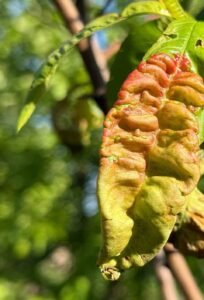
The leaves become unusually thick, blistered, and contorted, like someone squeezed them while the tree wasn’t looking. They shift from normal green to shades of red, pink, or purple, making the tree look surprisingly dramatic. - White powdery coating of spores
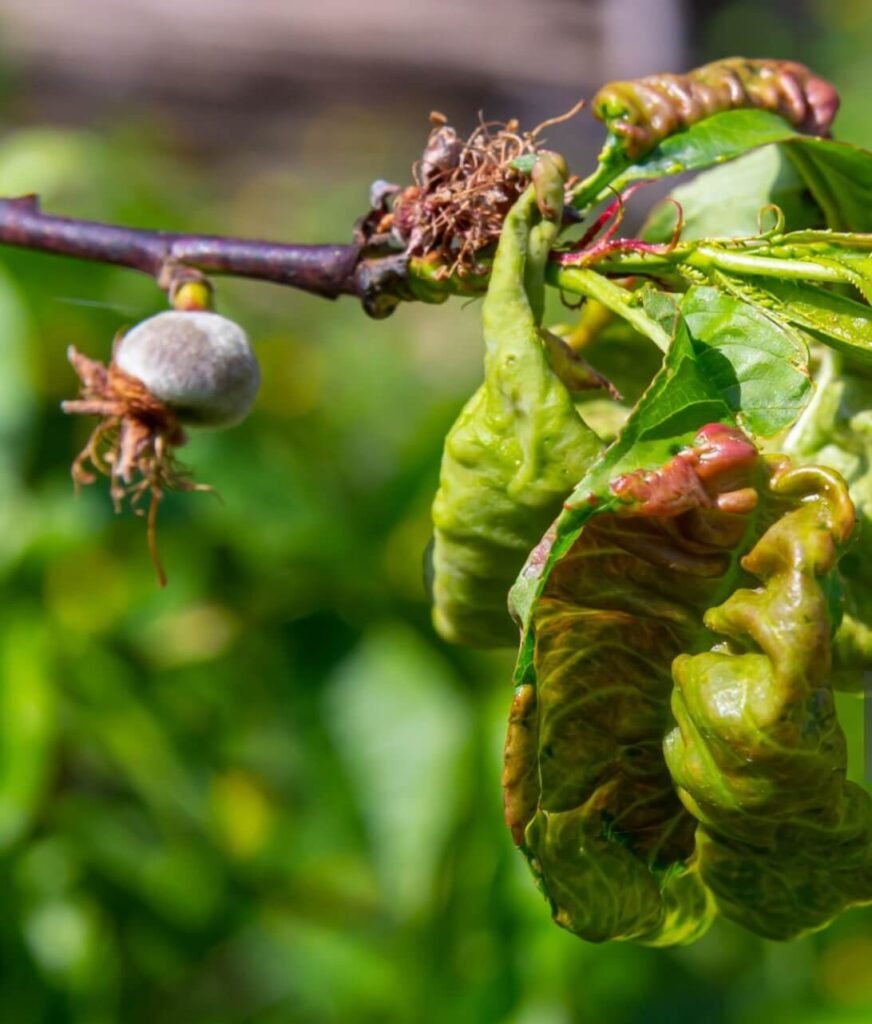
This is the fungus showing off. These pale spores appear on the surface of already deformed leaves. If you see this powder, it’s a clear sign the infection has already advanced. - Premature leaf drop
Curl doesn’t politely let the leaves finish their job. The infected leaves often fall off early, weakening the plant and exposing branches to harsh sunlight — hello, sunburn. - Damaged shoots
Young shoots can also swell and twist. In severe cases, the fungus can kill the shoots entirely, reducing growth and fruit production.
Spotting these signs early helps you take action fast — because the sooner you intervene, the better your tree’s chance of bouncing back.
Why Peach Leaf Curl Happens And Why Spring Is Its Favorite Hangout
Peach Leaf Curl is basically a weather-dependent troublemaker. The fungus survives in cracks of bark, buds, and scales throughout winter, totally unbothered. It’s patient — too patient — and waits until early spring conditions tell it: “Wake up, it’s chaos time!”
Here’s the science behind the mischief:
- Wet conditions activate the fungus.
Rain or even prolonged humidity gives spores the moisture they need to germinate. They sneak into the leaf tissue right as the buds start to open. - Cool-to-warm spring temperatures encourage infection.
The sweet spot for infection is around 10°C–21°C (50°F–70°F). Cozy for spores, disastrous for leaves. - Once leaves harden, infection stops.
Mature leaves are like “access denied,” but unfortunately, early-season leaves are tender and vulnerable. - Dry, hot summers kill active spores — but not dormant ones.
The fungus retreats and waits again.
This cycle explains why the disease shows up like clockwork each spring. And because infected leaves usually fall, the tree loses energy, fruiting becomes limited, and overall stress increases year after year if untreated.
How to Prevent Peach Leaf Curl: The Ultimate 600-Word Plant-Saving Guide
Alright, plant warrior — prevention is your superpower. Peach Leaf Curl can be controlled, but only when you’re proactive. Since treatment after leaves curl is rarely effective, the best strategy is to stop the infection BEFORE it begins. Here’s your long, deeply detailed, botanist-approved guide packed with actionable steps.
1. Timing Is Everything: Treat During Dormancy
Peach Leaf Curl prevention MUST be done when the tree is asleep — meaning late fall after leaf drop and late winter before buds swell.
- Apply your chosen control method twice a year during dormancy.
- Never wait until leaves appear. Once the fungus enters, there’s no reversing the damage.
2. Use Dormant-Season Sprays The Standard, Safe Options
These sprays help reduce overwintering spores. Choose only legal, safe options for minors, like:
- Copper-based sprays (widely used in orchards)
- Safe horticultural oils approved for fungal suppression
Avoid anything restricted or chemical-heavy — stick to widely available garden-safe options.
When applying:
- Cover the entire tree — bark, trunk, branches, everything.
- Spray until surfaces are visibly wet.
- Reapply before rains if necessary.
3. Choose Resistant Varieties A Long-Term Win
Some peach and nectarine varieties naturally stand up better to Peach Leaf Curl. They’re not 100% immune, but MUCH less dramatic.
Look for:
- Frost
- Redhaven
- Q-1-8
- Indian Free
If you’re planting new trees or replacing old ones, resistant varieties save you years of stress.
4. Prune Smartly Better Air = Fewer Problems
Pruning helps reduce fungal hangouts and keeps moisture from lingering.
- Remove dead, deformed, or infected shoots during winter.
- Keep the canopy open to improve airflow.
- Don’t compost infected material — discard it far away.
A well-pruned tree dries faster after rain, which lowers infection risk.
5. Water Wisely Avoid Splash Drama
Fungal spores LOVE water splash. Give them less opportunity.
- Water at the soil level — never overhead.
- Mulch around the base to reduce splash.
- Keep water off young leaves during spring.
6. Boost Tree Health Because Strong Trees Fight Better
A healthy peach tree recovers faster after infection.
- Add compost or organic matter yearly.
- Use a balanced fruit-tree fertilizer.
- Ensure proper drainage — fungi adore wet roots.
- Protect trees from stress (wind, drought, poor soil).
The stronger the tree, the more it can resist and recover.
7. After an Infection, Help Your Tree Recover
If your tree DID get infected this year, don’t panic — support it:
- Remove infected leaves after they fall.
- Water deeply during dry spells.
- Feed lightly in early summer.
- Watch for pests that target weakened trees.
This ensures it enters next winter healthier and ready to resist.
8. Keep an Eye on Weather Patterns
Because wet springs trigger the disease:
- Prepare earlier if winter was mild.
- Apply an extra spray if heavy rain is forecast.
- Track bud swell — timing matters more than anything.

Leave a Reply