


Nutrient Excess in Plants: When More Isn’t Always MerrierYour Ultimate Guide to Spotting and Steering Clear of Fertilizer Fails
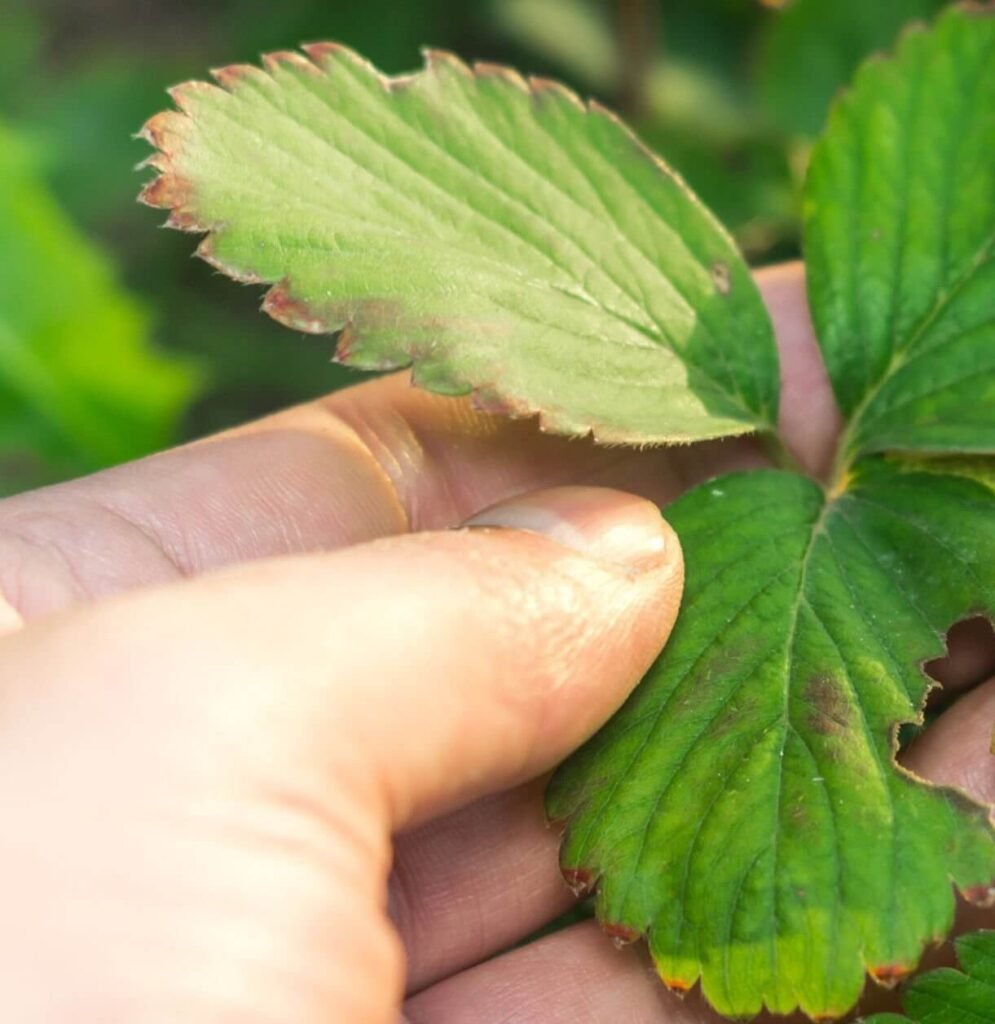
Ever felt like you’re overdoing it with the plant food and your green babies are giving you the side-eye? Welcome to the world of nutrient excess—a sneaky problem where too much fertilizer or imbalanced nutrients do more harm than good. Plants need nutrients to thrive, but just like Goldilocks, it’s about getting them just right. Sometimes, potting mixes that are purely soilless or overzealous feeding routines cause a nutrient overload, quietly sabotaging plant health with subtle, confusing symptoms. As your friendly plant scientist, let’s dig into the clues nutrient excesses give and, more importantly, how to prevent turning your jungle into a nutritional nightmare.
What is Nutrient Excess and Why Should You Care?
Plants crave a balanced diet—a hefty serving of macronutrients (nitrogen, phosphorus, potassium) and trace amounts of micronutrients (iron, magnesium, calcium, zinc). When this balance tips too far, usually toward too much of a nutrient, your plant’s internal system goes haywire. Excessive nutrients, especially from fast-release fertilizers or water with high alkalinity, cause toxic buildups in the root zone, messing with the plant’s ability to absorb other essentials.
For example, too much nitrogen can turn leaves an unnatural dark green but stunt flowering and fruiting. Overloaded phosphorus can block zinc and iron uptake, leading to confusing deficiency symptoms despite the plant being “well-fed.” Excess salts and minerals accumulate, scorching roots and leading to wilting or even plant death. The dangerous part? Symptoms often mimic deficiencies or other stresses, causing a guessing game that makes troubleshooting a headache.
Spotting the Silent Saboteurs: Signs of Nutrient Excess




Sometimes plants whisper, other times they scream—which is how nutrient excess symptoms show up, often subtly:
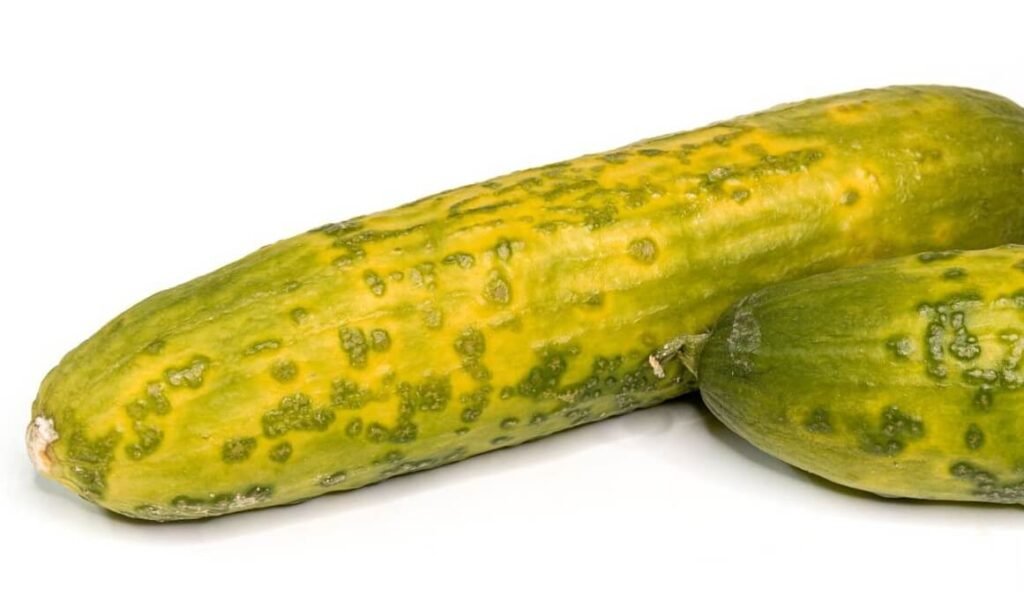
- Chlorosis: Leaves yellow not from lack but because delicate chlorophyll production is disrupted by excess minerals like calcium or zinc blocking uptake.
- Stunted Growth: While lack of nutrients can stunt, too much fertilizer can distort new shoots, cause curled or deformed leaves, and even dwarf plants.
- Necrosis: Brown or black leaf edges and tips (marginal scorch) often signal toxic salt buildup, especially from too much potassium or sodium.
- Color Shifts: Look for plants turning bronze, red, or purple—think of it as a warning flare saying “I’m stressed!” Excess phosphorus or aluminum can trigger this, sometimes followed by necrosis.
Some plants react uniquely—succulents may suffer root rots from salt buildup faster, while philodendrons might show leaf tip burns. The diversity throws off simple diagnosis, but noting patterns and timing with fertilizer application helps isolate nutrient overload.
Preventive Power Moves: How to Keep Your Plants Nutritiously Balanced
Prevention isn’t just better than cure—it’s the game changer avoiding costly plant casualties. Here’s the ultimate nutrient excess prevention playbook:
- Test First, Feed Later: Regularly check your potting mix pH and nutrient levels through DIY kits or professional tests to avoid guesswork. Nutrient uptake is hugely pH-dependent.
- Balanced Fertilizers Only: Avoid “jack of all trades” miracle feeds. Instead, pick formulas tailored for your plant type and growth stage (seedling, vegetative, flowering).
- Less is More: Fertilize sparingly in winter or dormant phases—plants barely use nutrients then. Follow label instructions, and err on side of caution. Slow-release fertilizers provide steady, gentle nourishment without spikes.
- Avoid Soilless Overload: Purely soilless mixes can lack nutrient buffering capacity; supplement cautiously with liquids while monitoring plant response.
- Water Wisely: Use filtered or rain water if tap water is hard or alkaline. Excess salts from tap water buildup rapidly in pots.
- Flush Soil Regularly: For potted plants, flush with large volumes of clean water every few months to wash away salt accumulations.
- Pot Choice Matters: Well-draining pots prevent water and nutrient stagnation that intensifies toxicity.
- Observe and Adjust: Keep a journal tracking feeding schedules and plant responses. Yellow leaves after feeding? You might be overdoing it.
- Incorporate Organic Amendments: Compost and worm castings release nutrients slowly and improve soil structure, reducing salt buildup risk.
- Mulch with Care: Mulches help retain moisture but avoid those that add excessive nutrients or salts.
- Feed Micronutrients Separately: Some plants require foliar sprays of micronutrients like iron or magnesium when soil interactions restrict uptake.
By integrating these moves, nutrient excess becomes a rare foe, letting your plants flourish with balanced vigor and glowing health.
Next-Level Know-How: Why Balanced Nutrition Also Guards Against Other Problems
Excess nutrients don’t just fry roots or burn tips—they also weaken plant immune systems, inviting pests and diseases. Overfed plants often become lush with soft tissue attractive to aphids, whiteflies, and fungal pathogens. Meanwhile, nutrient imbalances cause metabolic bottlenecks reducing photosynthesis efficiency and resilience against drought or extremes.
For example, high nitrogen not only delays flowering but lowers plant tolerance to cold, while excess phosphorus can cause iron deficiency that reduces energy production. This knock-on effect turns minor care slips into full-scale plant crises.
Taking a holistic nutrition balance approach, monitoring changes in leaf color, growth pace, and soil health creates a garden ecosystem where plants are energetic, pest-resistant, and stress-hardy. Remember, greatness grows from balance—not overload.

Leave a Reply