

Leaf Senescence in Plants: Why Your Leaves “Retire” and How to Stop Early Aging!
1. What Exactly Is Leaf Senescence?
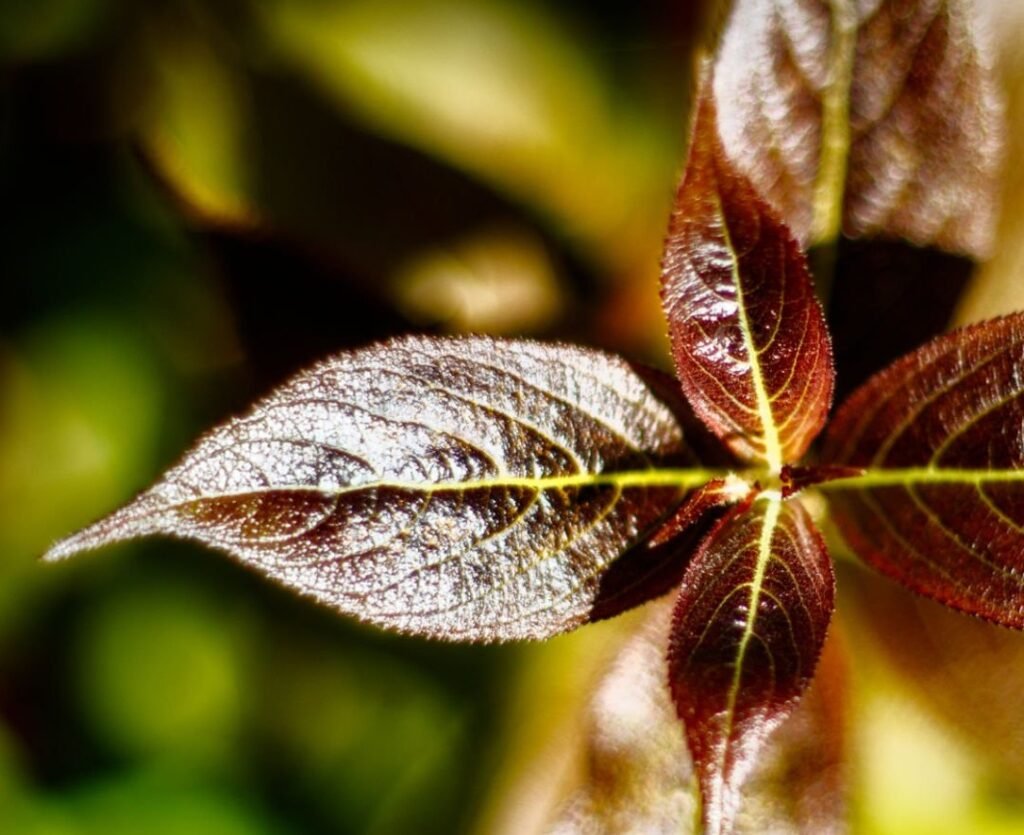
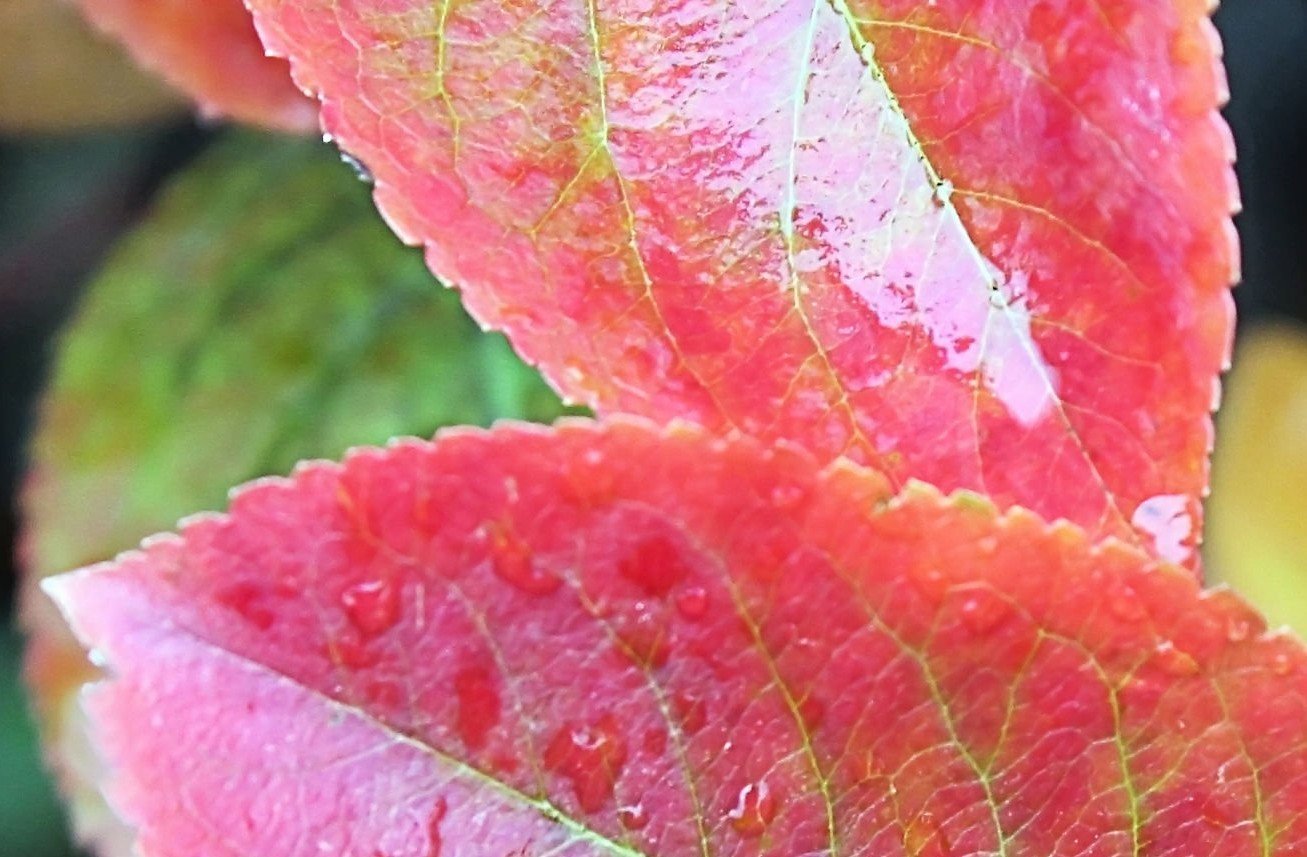
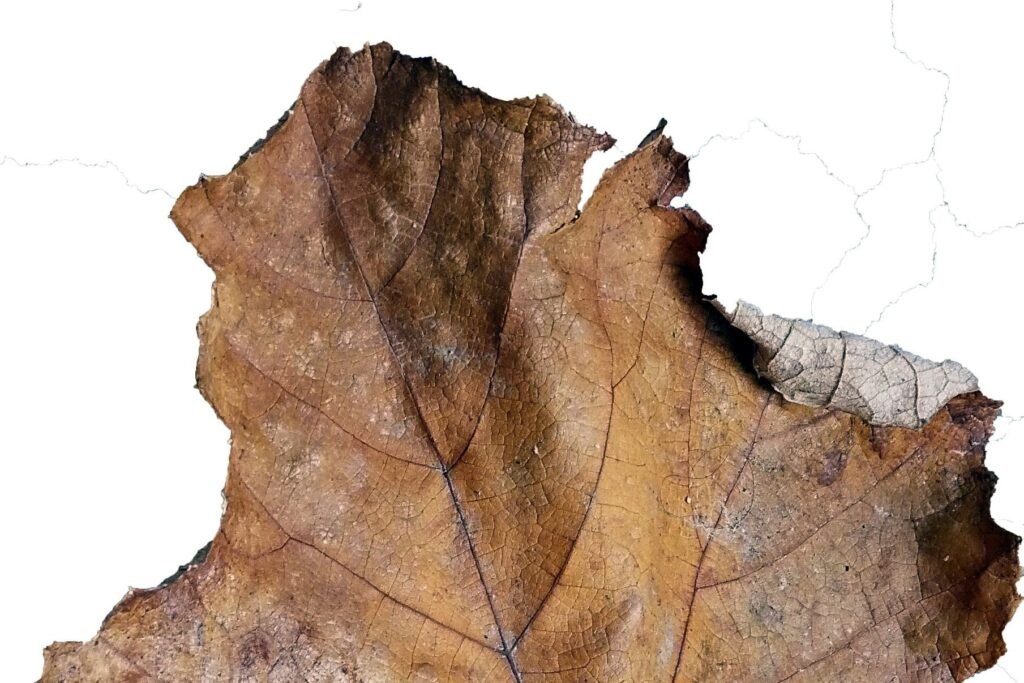
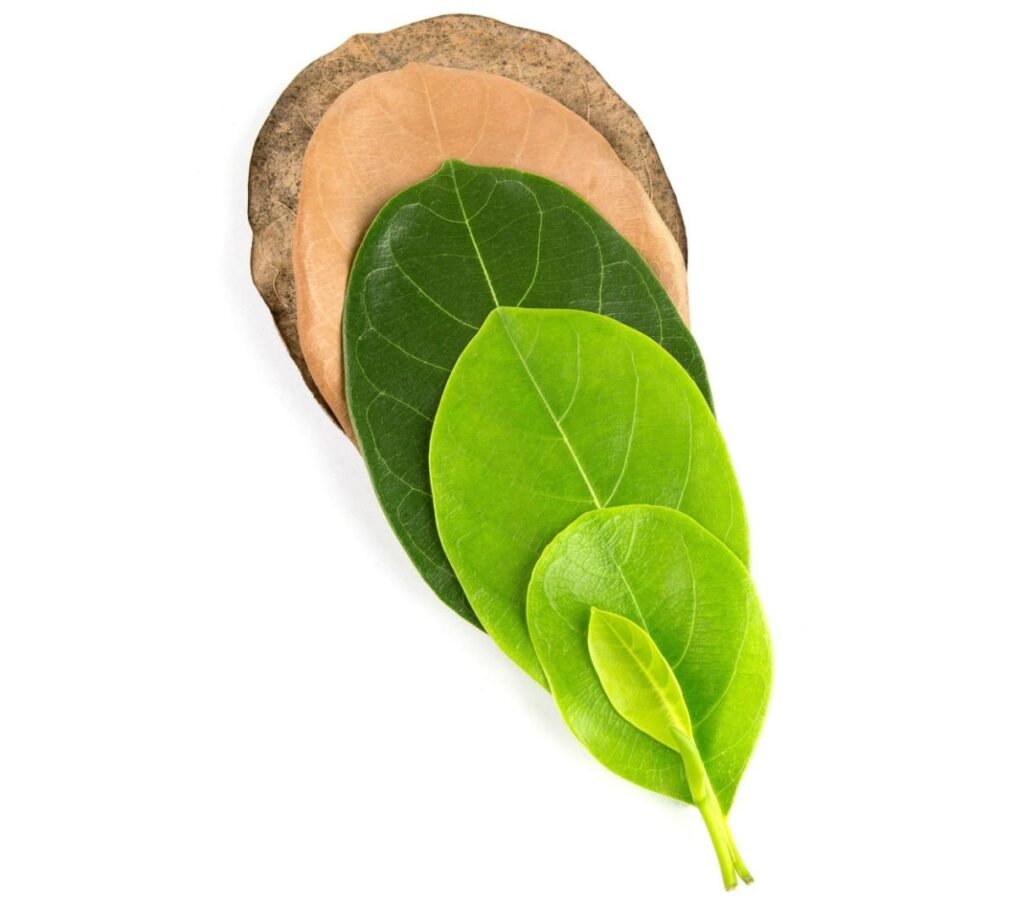
If leaves could talk, senescence would be the moment they dramatically throw their hands up and say, “Alright folks, I’ve done my job—someone else take over.” In plant science, leaf senescence is the regulated, highly strategic “retirement phase” of a leaf’s life, and trust me, it’s not just about turning yellow for the aesthetics of autumn Instagram photos.
Plants don’t waste resources. Every leaf is like a mini solar panel, cranking out energy during its prime. But once a leaf becomes old or inefficient, the plant triggers senescence—a programmed, genetically controlled process where the leaf slowly shuts down photosynthesis and begins nutrient relocation. Nitrogen, phosphorus, potassium, amino acids, sugars—yep, all that valuable stuff is efficiently recycled into seeds, roots, flowers, and newly formed leaves.
This is a HUGE difference from “death by accident.” Senescence is planned, like a well-organized moving-out day, not a disaster eviction. It’s a natural developmental shift that often coincides with the plant transitioning from the vegetative stage to the reproductive one. This is why autumn leaves change color—they’re literally emptying their pockets before clocking out.
But senescence is not always triggered by age. Environmental factors like drought, insufficient light, nutrient deficiencies, pollution, salinity, extreme heat, or pathogen attacks can cause premature leaf senescence. This kind is not a peaceful retirement—it’s the plant hitting the panic button.
Understanding senescence is crucial for gardeners, growers, and farmers because it influences crop yield, flowering, fruit quality, and overall plant health. When managed well, senescence is a plant’s superpower. When mismanaged, it becomes a plant’s stress cry.
2. Signs of Leaf Senescence: The Good, The Bad, and The Is My Plant Dying?
Leaf senescence symptoms can look identical to nutrient deficiencies or general plant stress, so it can be easy to confuse “natural retirement” with “something’s wrong.” Here’s how to tell the difference like a pro:
1. Yellowing (Chlorosis)
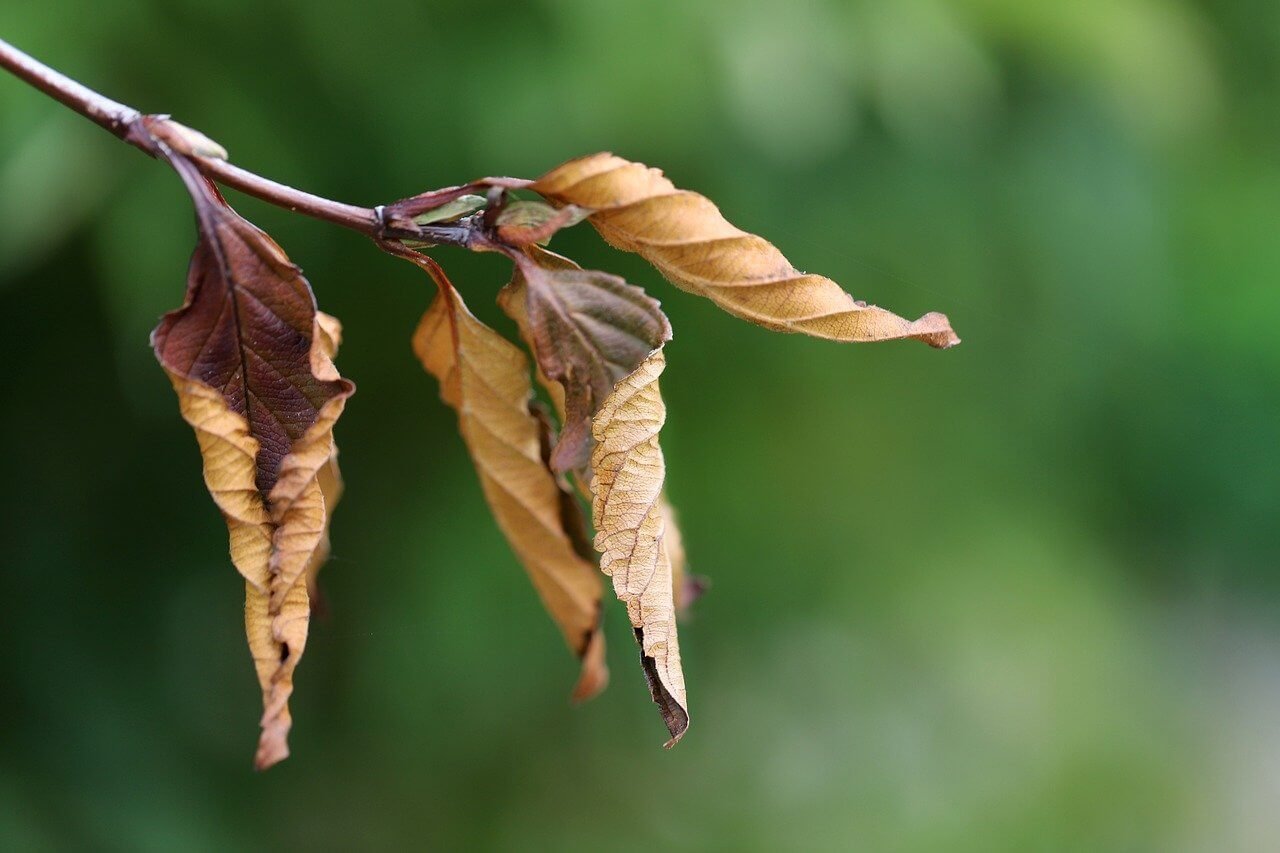
As chloroplasts—the leaf’s photosynthesis factories—break down, chlorophyll degrades first. This exposes carotenoids and anthocyanins, which is why fall leaves look yellow, orange, or red. In early senescence, the yellowing appears evenly across the leaf.
🌱 Natural senescence = gradual, even yellowing.
⚠️ Stress-induced senescence = patchy, sudden, or accompanied by brown spots.
2. Gradual Wilting
Wilting happens as water transport is reduced and the leaf loses its metabolic activity. In true senescence, this decline is slow—not overnight.
3. Leaf Drop (Abscission)
Plants intentionally drop senescent leaves through a separation layer at the leaf base. This helps conserve water, reduce disease risk, and redirect energy.
4. Reduced Photosynthesis
Senescing leaves lose shine, vigor, and thickness. They may feel softer or thinner as cells dismantle themselves (a process called autophagy).
5. Nutrient Withdrawal Marks
As nutrients are relocated, veins may stay greener longer (a condition called “nitrogen remobilization”). This is normal for senescing leaves, especially in crops like wheat or maize.
6. Premature Senescence Red Flags
If senescence hits too early, it may signal:
- low nitrogen
- chronic underwatering
- prolonged shade
- fungal infection
- root suffocation
- heatwaves
- chemical exposure
- salt stress
- pest damage
Understanding whether senescence is age-related or stress-induced determines your next steps.
3. Why Leaf Senescence Happens: Plant Strategy Explained
If you opened a Reddit thread titled, “Why do plants let their leaves die??” here’s what a botanist would comment:
“Because plants are smarter than you think.”
Leaf senescence is not a failure—it’s a resource optimization strategy. Plants have no kidneys, liver, or digestive tract to remove waste or recycle internally like animals. Instead, they use their leaves as temporary nutrient banks. When the time comes, they break down cell components, salvage the nutrients, and transport them to places that matter more:
- 🌱 new leaves
- 🌻 flower buds
- 🍇 maturing fruits
- 🌾 developing seeds
- 🌱 storage organs (tubers/bulbs)
This process is driven by plant hormones:
- Ethylene & Abscisic Acid (ABA) → promote senescence
- Cytokinins → delay senescence
- Auxins & Gibberellins → indirectly regulate timing
Environmental triggers can hijack these hormones, resulting in premature senescence, which is bad news for plant growth and crop yield.
Common triggers for forced senescence:
- drought stress → ABA spikes
- nutrient deficiency → unable to maintain chlorophyll
- fungal attack → defense mechanism
- extreme heat → protein breakdown
- pollution → oxidative stress
- insufficient light → energy deficit
- overwatering → root oxygen deprivation
Sometimes, plants accelerate senescence as a survival technique. For example:
- Under drought, plants purposely drop older leaves to conserve water.
- Under nutrient stress, they salvage nutrients from older leaves to save new growth.
So while leaf senescence may look like a problem, it’s often the plant choosing efficiency over aesthetics.
4. How to Prevent Premature Leaf Senescence Expert-Backed Tips
If plants had a skincare routine, this would be it. Senescence cannot (and should not) be completely stopped—but premature senescence can absolutely be prevented. Below are expert-level, botanist-approved strategies to keep your plants youthful longer.
A. Nutrient Management (Your #1 Defense Against Early Aging)
Nutrient deficiency—especially nitrogen—is the most common cause of early senescence.
Provide balanced fertilizers
Use fertilizers with a good NPK ratio suited to your plant type.
- Leafy plants → higher nitrogen
- Flowering plants → higher phosphorus
- Fruit crops → balanced or potassium-heavy
Avoid over-fertilizing
Too much nitrogen causes lush growth that collapses quickly, resulting in stressed senescence.
Ensure micronutrients
Deficiency of iron, magnesium, zinc, or manganese can mimic senescence.
Use a complete micronutrient blend when needed.
B. Water the Right Way (Yes, plants are picky)
Improper watering damages roots, and damaged roots = nutrient deficiency = senescence.
Avoid underwatering
Chronic dryness spikes ABA, triggering early leaf drop.
Avoid waterlogging
Too much water suffocates roots, preventing nutrient uptake.
Use proper drainage
Always choose pots with drainage holes and well-aerated soil.
C. Give Them Enough Light (But Not Too Much)
Plants need light for photosynthesis. Too little light forces the plant to sacrifice older leaves.
Ensure proper sun exposure
- Shade-loving plants → indirect light
- Sun-loving plants → minimum 6 hours of direct sun
Avoid sudden light changes
Moving shade plants into strong sun causes bleaching and premature senescence.
Use grow lights for indoor plants
Target photosynthetic-efficient wavelengths to maintain leaf longevity.
D. Manage Temperature & Heat Stress
Extreme temperatures cause protein breakdown and oxidative stress.
Ideal temperature range
Maintain species-appropriate warmth. Avoid heatwaves or cold drafts.
Mulching (for outdoor plants)
Mulch keeps roots cool and reduces water stress → less senescence.
E. Protect Against Pests & Diseases
Pests extract nutrients and transmit pathogens that force the plant into stress-mode.
Inspect weekly
Check under leaves, stems, and new growth.
Use organic controls
Neem oil, insecticidal soap, beneficial insects.
Remove infected leaves to prevent the spread
But don’t remove too many or you cause more stress.
F. Improve Soil Conditions
Healthy soil = healthy roots = delayed senescence.
Add organic matter
Compost boosts microbial activity and improves nutrient cycling.
Maintain soil pH
Most plants prefer 6.0–7.0. Off-pH soil locks nutrients.
Aerate compacted soil
Compaction limits root respiration and promotes premature aging.
G. Reduce Environmental Stress
Plants under stress redirect energy from maintaining leaves to survival.
Avoid pollution exposure
Indoor plants near traffic-heavy balconies senesce faster due to ozone and NO₂.
Reduce transplant shock
Acclimate plants gradually when moving locations.
Avoid root damage
Rough repotting = nutrient uptake crash = senescence spike.
H. Use Senescence-Delaying Techniques
Botanists use hormone-smart methods to delay leaf aging.
Cytokinin sprays (used in professional agriculture)
Delays senescence but should be used cautiously.
Anti-stress biostimulants
Seaweed extracts, humic acid, amino acids—boost leaf longevity.
Pruning strategy
Remove oldest leaves to shift energy to healthier ones.
Embrace Natural Senescence
Some senescence is GOOD. It’s a sign your plant is maturing and reallocating resources efficiently. Your job is not to stop senescence but to prevent it from happening too early or too fast.

Leave a Reply