

Black Knot: The “Tree Parasite” That Looks Like Burnt Popcorn And How to Stop It!
If plant diseases had a sense of humor, Black Knot would be the goth kid of the fungal world — dressing in all black, hanging dramatically off branches, and sticking around way longer than anyone invited it. Once you spot those charcoal-like lumps, it’s like your tree suddenly grew a collection of creepy sculptures overnight. Let’s break down this garden villain with some science, some sass, and plenty of expert botanist tips!
What Is Black Knot? The Fungus With a Grudge Against Stone Fruits
Black Knot is a chronic fungal disease caused by Apiosporina morbosa, a pathogen that seems to have a personal vendetta against plum, cherry, and apricot trees. It also sneaks onto ornamental trees like purple-leaf plum, chokecherry, and wild cherry species. The fungus thrives in cool-to-warm spring weather, especially when conditions are humid or rainy. What makes it tricky is that the infection often starts long before you ever see the symptoms — with signs sometimes not appearing until the following year.
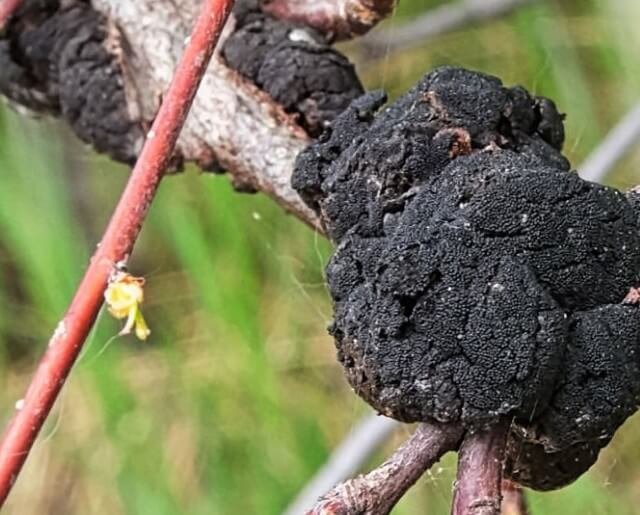
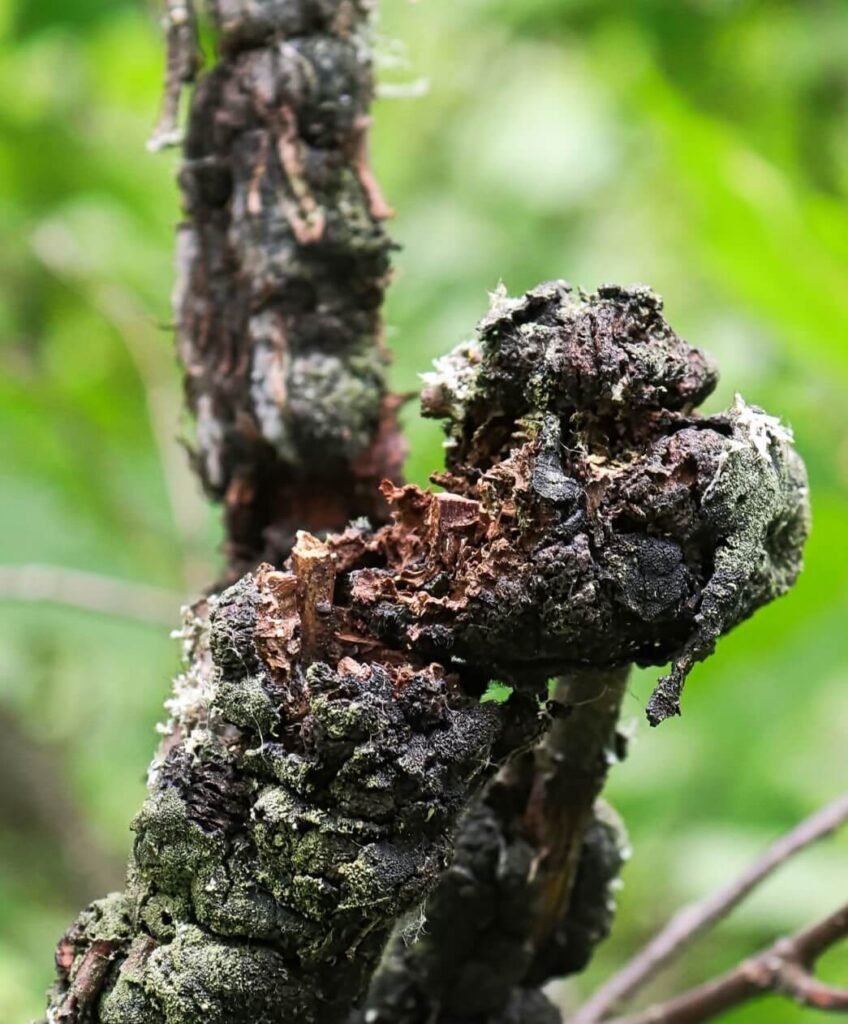
The fungus attacks young twigs, branches, and occasionally the trunk. Over time, infected areas swell, crack, and form those signature black, crusty growths known as galls. These galls slowly expand each year, restricting sap flow and weakening the branch. Eventually, heavily affected limbs die back — not because the fungus is fast, but because it’s persistent and loves long-term chaos. Black Knot is slow, sneaky, and surprisingly dramatic for a tree disease.
This pathogen’s life cycle relies on spreading spores during wet spring months. When rains splash spores onto new growth, infections begin. The problem? You won’t see the knots until the next season, making early intervention complicated. That’s why prevention and annual inspection matter so much.
Signs of Black Knot: How to Spot the Drama Early
You don’t need special tools to identify Black Knot — it’s one of the most visually obvious tree diseases out there. If your tree looks like it’s sprouting burnt marshmallows, you’re probably dealing with it. Here are the main signs:
- Swollen, knobby lumps
The earliest symptom appears as olive-green or brownish swellings on new shoots. These small lumps are soft at first but become hard and woody as the disease advances. - Thick, black, coal-like galls
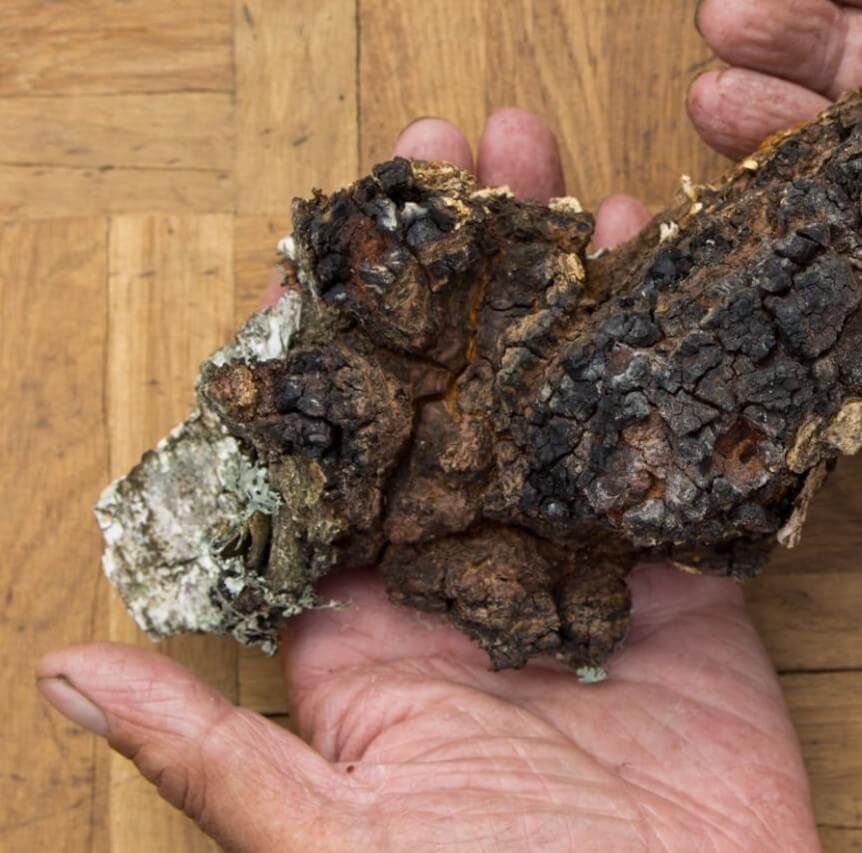
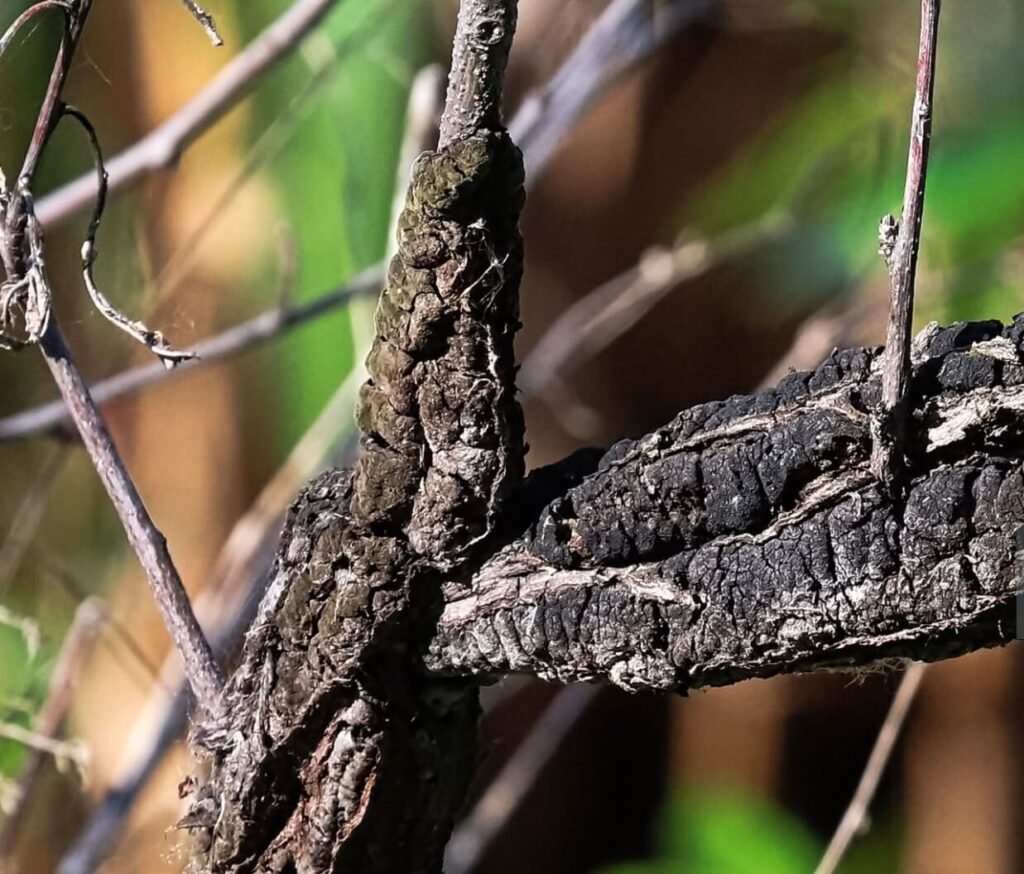
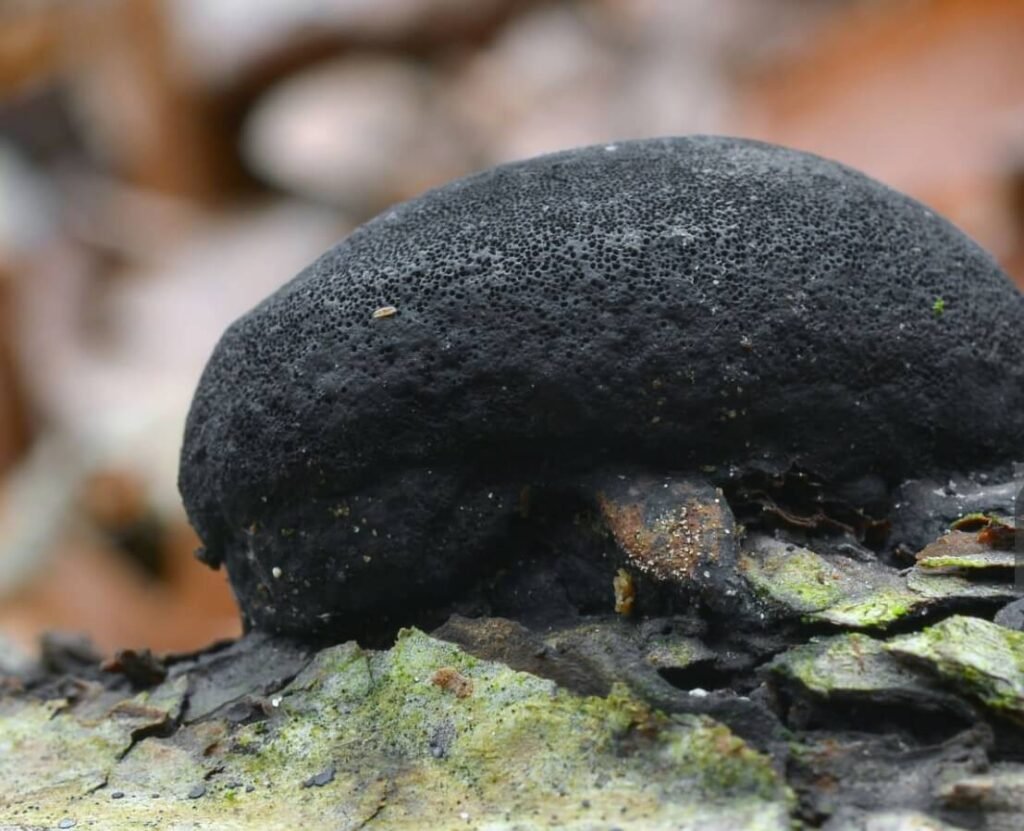
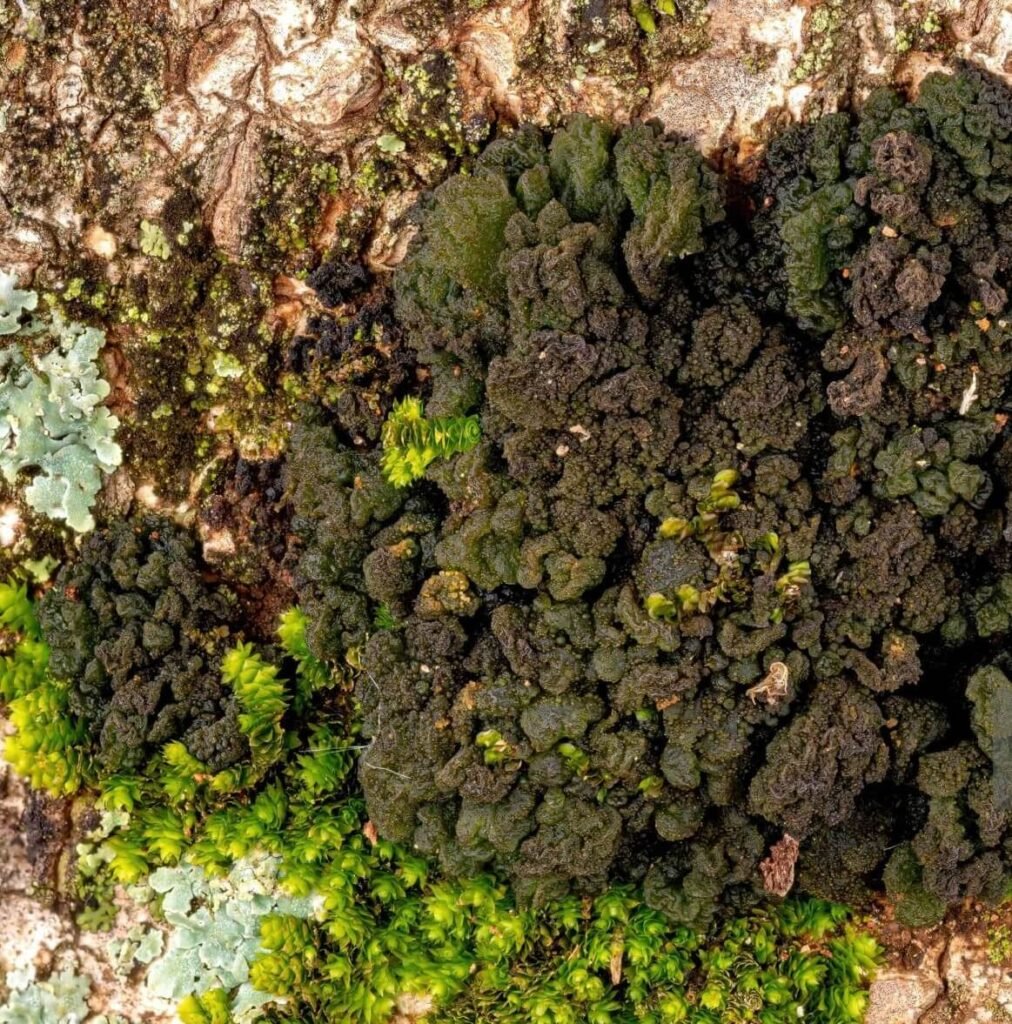
By late summer, the galls darken and transform into hard, rough, cracked growths. They can be small bumps or stretch several inches long like twisted, blackened ropes. - Multiple galls across the canopy
A single tree can have anywhere from a few to hundreds of knots. Heavily infested branches often weaken or break over time. - Most visible in fall and winter
Once leaves drop, the galls become strikingly noticeable — almost like creepy ornaments hanging from the bare branches. - Dieback of twigs and limbs
In severe infections, the branch above the gall may lose vigor, leaf poorly, or die entirely due to blocked nutrient flow.
The earlier you spot a gall, the easier it is to manage — especially before it turns into a large, hardened structure capable of producing thousands of new spores.
Why Black Knot Happens And Why It Loves Your Fruit Trees
Black Knot thrives because it’s perfectly aligned with the emotional schedule of spring weather — wet, unpredictable, and dramatic. Here’s the science behind why this fungus is so persistent:
- Spring moisture triggers spore release.
Rain helps spread sticky spores that cling to new shoots or wounds. - Young growth is extremely vulnerable.
Soft tissues on first-year shoots are the primary infection sites. - The fungus develops slowly.
It takes months for swelling to form and a full year for knots to blacken. - Dormant-season visibility is high — but infection season is long past.
This delayed symptom cycle is why gardeners often miss the window for treatment. - Poor pruning practices encourage spread.
Unremoved knots act like spore factories every spring. - Certain species naturally struggle more.
European plums and chokecherries are especially susceptible.
Black Knot isn’t content with simply infecting one branch — it prefers long-term residency. Over the years, untreated galls expand, creating new spore sources and weakening the tree’s structure, fruit output, and overall health.

How to Prevent Black Knot: Botanist-Approved Battle of Plant
Preventing Black Knot is totally possible, but it requires consistency, annual inspection, and smart pruning. Here’s your super-detailed, plant-scientist-level guide to keeping this disease from taking over your orchard.
1. Prune Aggressively During Dormancy
Dormant-season pruning is your #1 defense. Since galls are most visible after leaf drop, this is the perfect time for clean-up.
- Remove infected branches at least 6–8 inches below the gall.
- Make clean, angled cuts to avoid moisture pooling.
- Always disinfect pruning tools between cuts.
- Burn, bag, or dispose of infected wood — NEVER compost it.
- Check neighboring trees; spores travel easily.
Good pruning literally removes the spore factories before spring arrives.
2. Protect New Growth in Early Spring
Young shoots are the most vulnerable, so helping them stay dry and resilient matters.
- Avoid overhead watering — wet shoots invite infection.
- Space trees appropriately for better airflow.
- Use mulch to reduce splash from rain hitting soil.
- Train branches outward to increase drying speed.
Anything that keeps moisture from lingering reduces spore activity.
3. Use Safe, Garden-Approved Fungus-Control Sprays (When Needed)
You can support prevention using approved dormant or early-spring sprays. These help reduce spore levels on susceptible trees.
Look for garden-safe options commonly recommended for fruit trees such as:
- Lime-sulfur sprays
- Copper-based sprays (widely used and accessible)
Tips for safe, effective use:
- Apply during dormancy (late fall or late winter) for maximum impact.
- Reapply in early spring before bud break if your area has a history of Black Knot.
- Thoroughly coat branches and trunk — coverage matters more than quantity.
Sprays won’t cure existing knots, but they help stop new ones from forming.
4. Choose Resistant or Less-Susceptible Varieties
Some tree cultivars simply handle Black Knot better. When planting or replacing trees, consider varieties known for lower susceptibility.
Examples include:
- Stanley (European plum)
- President plum
- Certain cherry hybrids bred for disease resistance
Avoid extremely susceptible types, especially wild cherry relatives.
5. Boost Tree Health to Improve Natural Resistance
A strong tree is harder for fungi to exploit. Give your tree the best growing environment possible:
- Use well-draining soil — swampy roots = stressed trees.
- Fertilize properly in early spring with balanced nutrients.
- Avoid wounding branches during growth season.
- Keep weeds away from the base to reduce humidity and pests.
- Water deeply but infrequently — moist soil, not wet leaves.
Vigorous trees compartmentalize infections more effectively.
6. Inspect Every Year — Make It a Habit
Because symptoms appear late, annual inspection is essential.
- Walk around each tree after leaf drop.
- Look for tiny swellings — even early-stage knots must be removed.
- Check high branches with binoculars if needed.
This habit prevents small infections from turning into multi-year problems.
7. Manage Nearby Wild Hosts
Wild cherry, plum, and chokecherry trees can spread spores to your orchard.
- Remove wild hosts if they’re close to your cultivated trees.
- Or prune infected wild trees if removal isn’t possible.
Reducing surrounding spore sources can dramatically cut reinfection rates.